
If you’re like me, you probably have some fitness goals and some golf goals, and they usually compete with each other.
But the reality is, achieving your fitness goals can actually help you hit your golf goals too. I only wish I’d realized that sooner.
A couple years ago I made the mistake of curbing my fitness goals to focus on my golf goals, and it backfired. By midseason, walking 18 holes or hitting a large bucket strained my back so much that I needed four days to recover. Without practicing consistently or the stamina to back up a strong front nine with a solid back nine, my golf and fitness goals became mere wishes.
Not anymore.
Now, improved health and fitness supports my goals on the course. Here are five fitness tips for improving your golf game.
1. Improve Core Strength
For me, adding core strength has eliminated back pain, which is a prerequisite for putting in the practice I need to improve my golf game.
I mentioned earlier that even moderate practice or a round on the course would leave me hurting. Lower back pain that shot down through my legs made it hard to get out of bed or walk around the house.
I realized that building some core strength would take the burden off my back, and it has helped in a huge way.
After adding light but fairly consistent core strength exercises, I can hit 75-100 balls a day completely pain free. It’s the most I’ve been able to work on my golf game in months, and the results of a more committed practice routine throughout the year helped me improve by a few strokes.
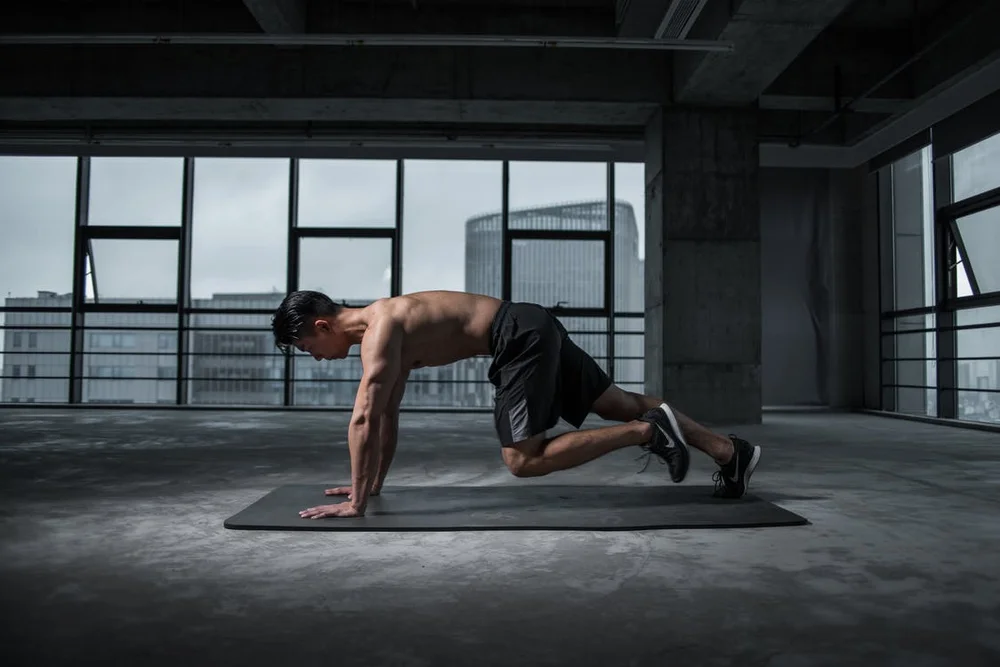
Here’s a quick list of some of the exercises I use, aiming for 5-15 minutes a day, 4-5 days a week:
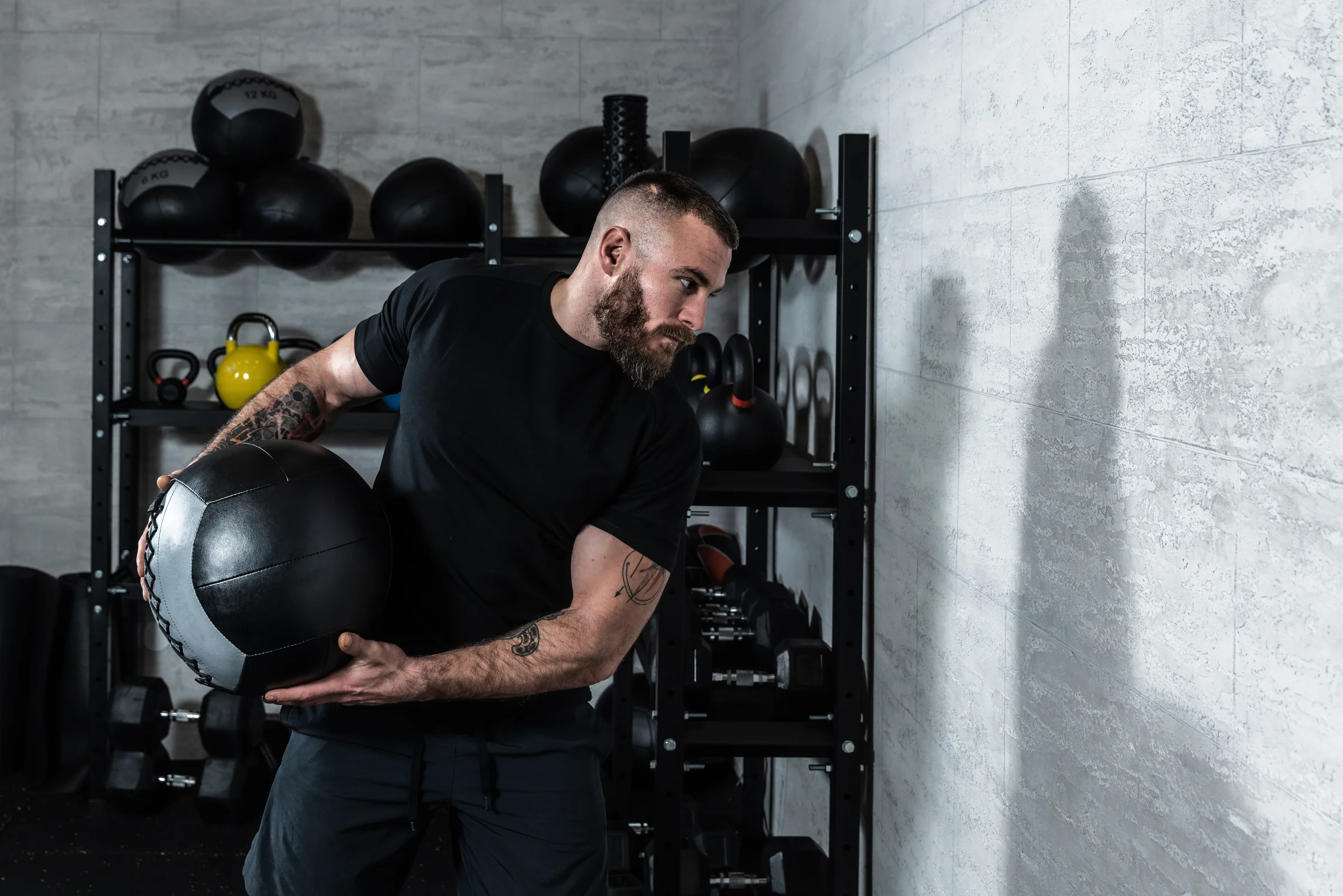
- Russian twists
- Plank
- Crunches
- Bicycle crunches
- Random 15-minute Pilates workouts on YouTube
Targets: Golf-specific flexibility, strength, and mobility
Having some degree of flexibility is another prerequisite for a sound golf swing and a healthy body. Afterall, if you can’t turn, you can’t generate power in the golf swing. Improving your flexibility can also reduce injury.
Think about all the parts of your body that rely on a wide range of motion throughout your golf swing. Your back, shoulders, hips and arms must all move fluidly to produce a good swing. When any of those parts are restricted, you begin to compensate, which not only hinders your ability to hit a good golf shot, but can lead to injury.
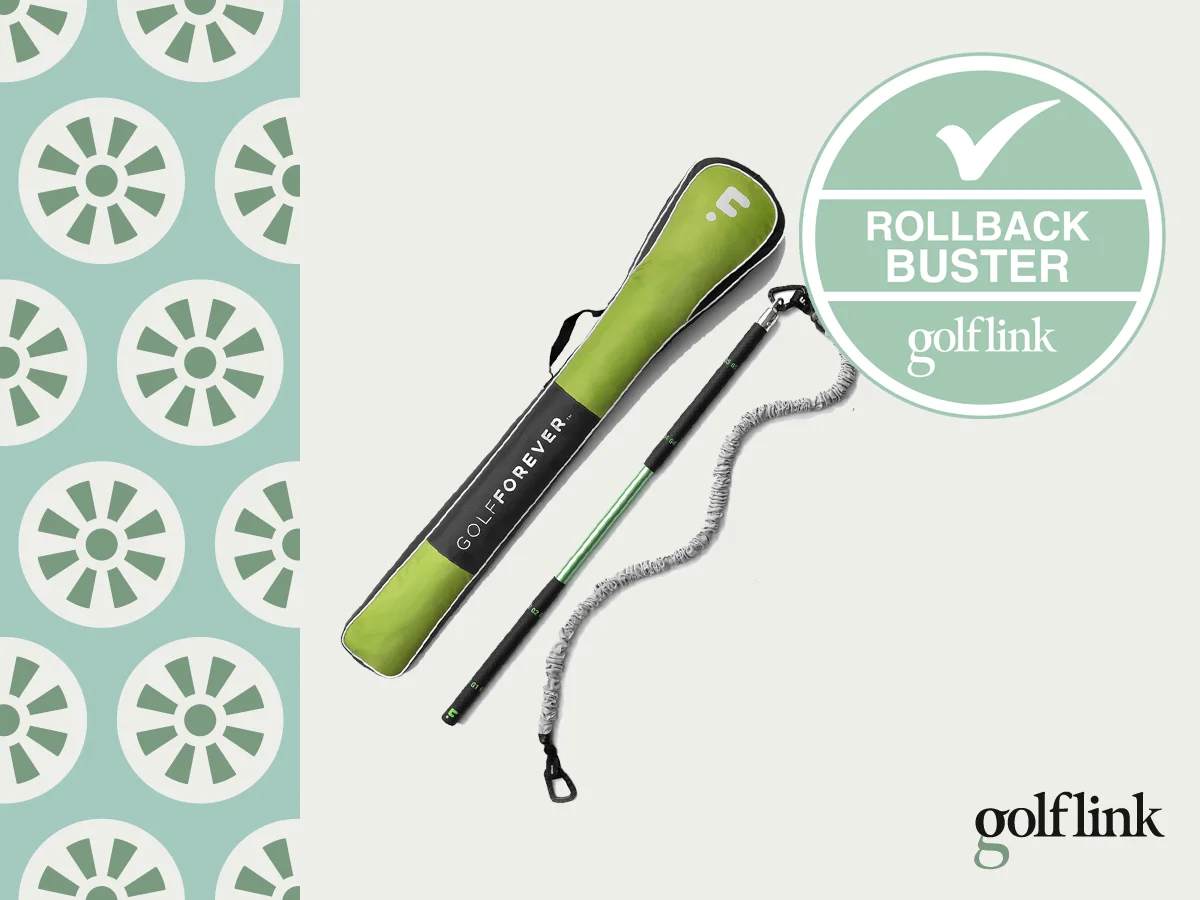
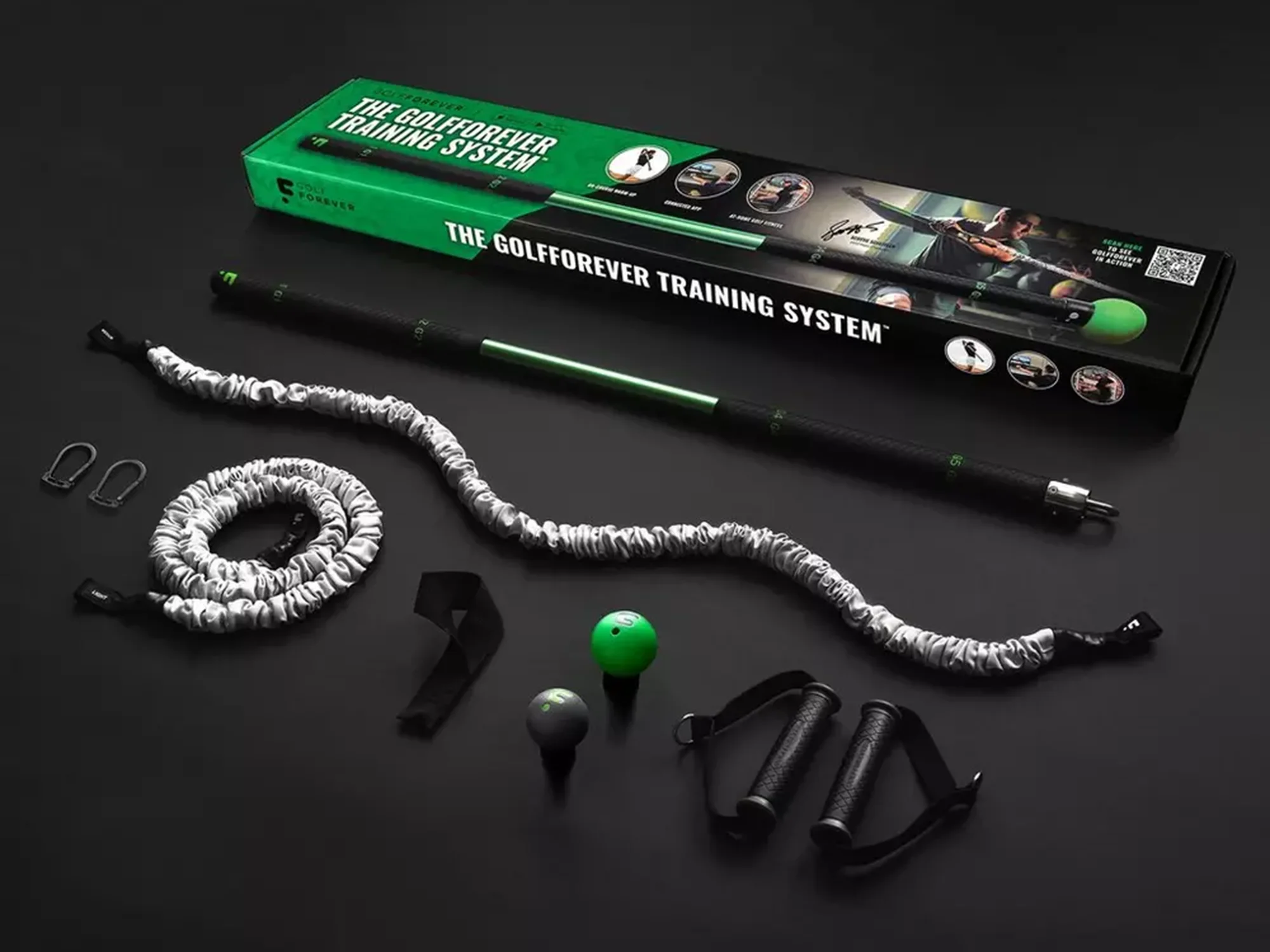
There are countless ways to improve your flexibility targeted to golf. From the Scottie Scheffler-endorsed GolfForever program that improves flexibility, mobility and strength for golf (I’ve tested it, it’s eye-opening to say the least) to a search for “Yoga for Golf” on YouTube, it’s easy to find the right stretches and exercises to make real progress.
Cameron Champ is 6-feet tall and 175 pounds. That’s not exactly the physique you’d picture when you think of the most powerful athlete in the world in a given sport, yet Champ was the PGA Tour’s king of driving distance in 2024, averaging 322.8 yards per drive, 22 yards past the Tour average.
So, how does he do it? Fortunately for those of us who weren’t blessed with NBA height or NFL size, power in golf comes from rotation, not bulk.
The golf swing rotates around your spine, and if you can add power to your rotation, you can add power to your golf swing.
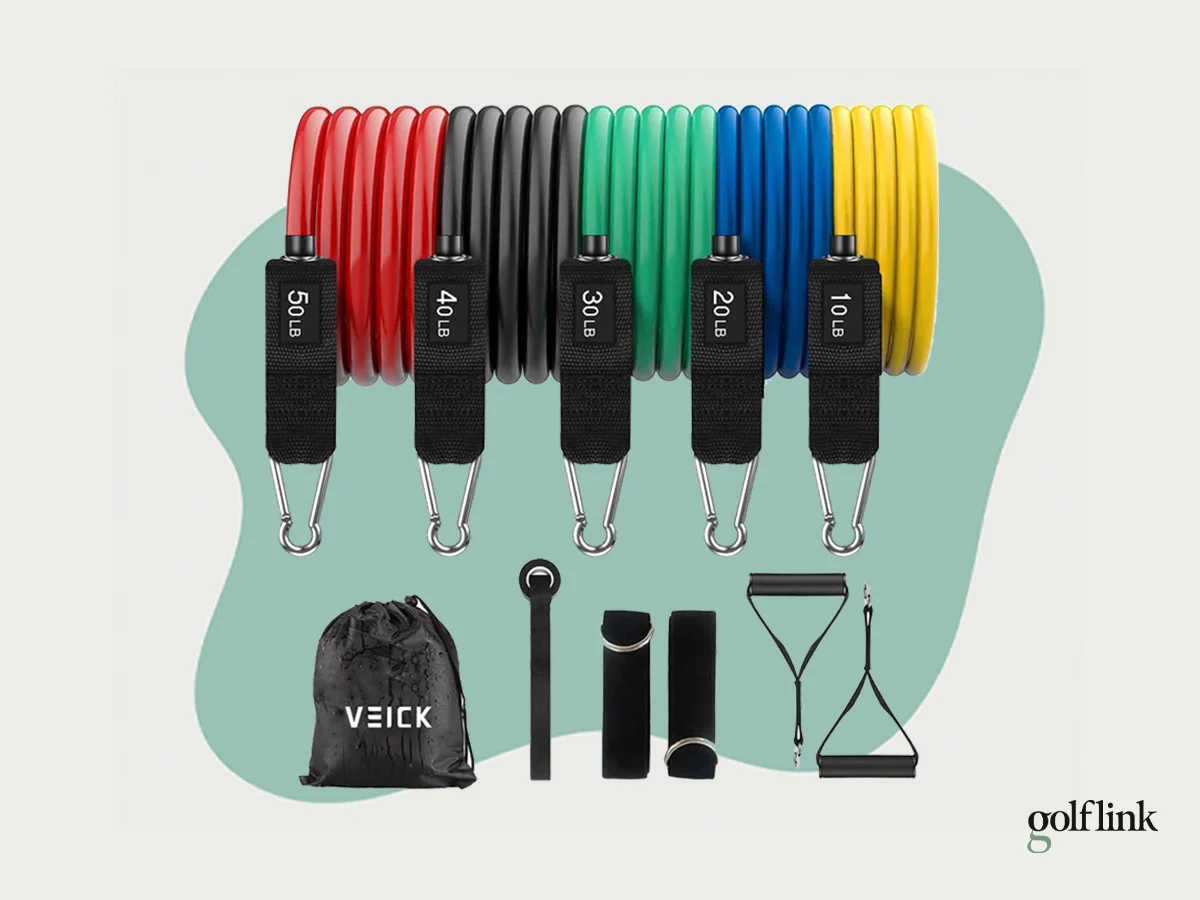
Medicine balls and resistance bands are great tools for building rotational power. Try these exercises for improving rotational power, which will help your strength and your golf swing:
- Medicine ball rotational throws
- Resistance band torso rotations
- Seated Russian twists with a weight
- Cable woodchoppers
Do these exercises on both sides to ensure balanced power.
Speaking of balance, check out how balanced Champ’s swing is. Despite his power, he maintaines incredible balance, which makes his swing look almost effortless. Keep this in mind as you add power to your body and swing.
4. Focus on Lower Body Strength
You’ve heard that the golf swing starts from the ground up, so it makes perfect sense that strengthening your legs, hips and glutes leads to a better golf swing. Specifically, you’ll improve your power and your balance as you improve this area of your body.
Along with the brief core exercises I do a few times a week, I throw a few dozen squats in there as well. These can be just bodyweight squats, or you can add weight or resistance from bands.
Here’s a quick list of exercises you can try for improving lower body strength:
- Lunges (also great for improving balance)
- Glute bridges
- Box jumps
- Squats
5. Enhance Cardiovascular Endurance
Improving your cardio endurance should be part of any wellness program, and while the benefits impact your golf game, they span well beyond the course.
On the course, better cardiovascular endurance will help you feel fresher at the end of the round, when you have a chance to finish strong.
Off the course, better blood pressure, better heart and lung heath, and improved brain function are just of few of the countless benefits.
Increasing aerobic activity is a straightforward way to improve your cardiovascular endurance. Here are a few activities that can help:
- Brisk walks or jogging
- Swimming
- Cycling
- Interval training
Progress Not Perfection
You don’t have to choose between your fitness goals and your golf goals. Instead, tailor your fitness goals to your golf goals and you’ll make progress on both.
If you’re starting from scratch, you don’t have to take on everything at once. Incorporating a couple of these ideas into your routine, and adding more as your strength builds, is a great way to build momentum, prevent burnout, and make continuous progress.