Srixon Soft Feel Review: Why it Might Roll Its Way Into Your Bag
Our testing showed Srixon Soft Feel isn't flashy, but it's still a great fit for the right player
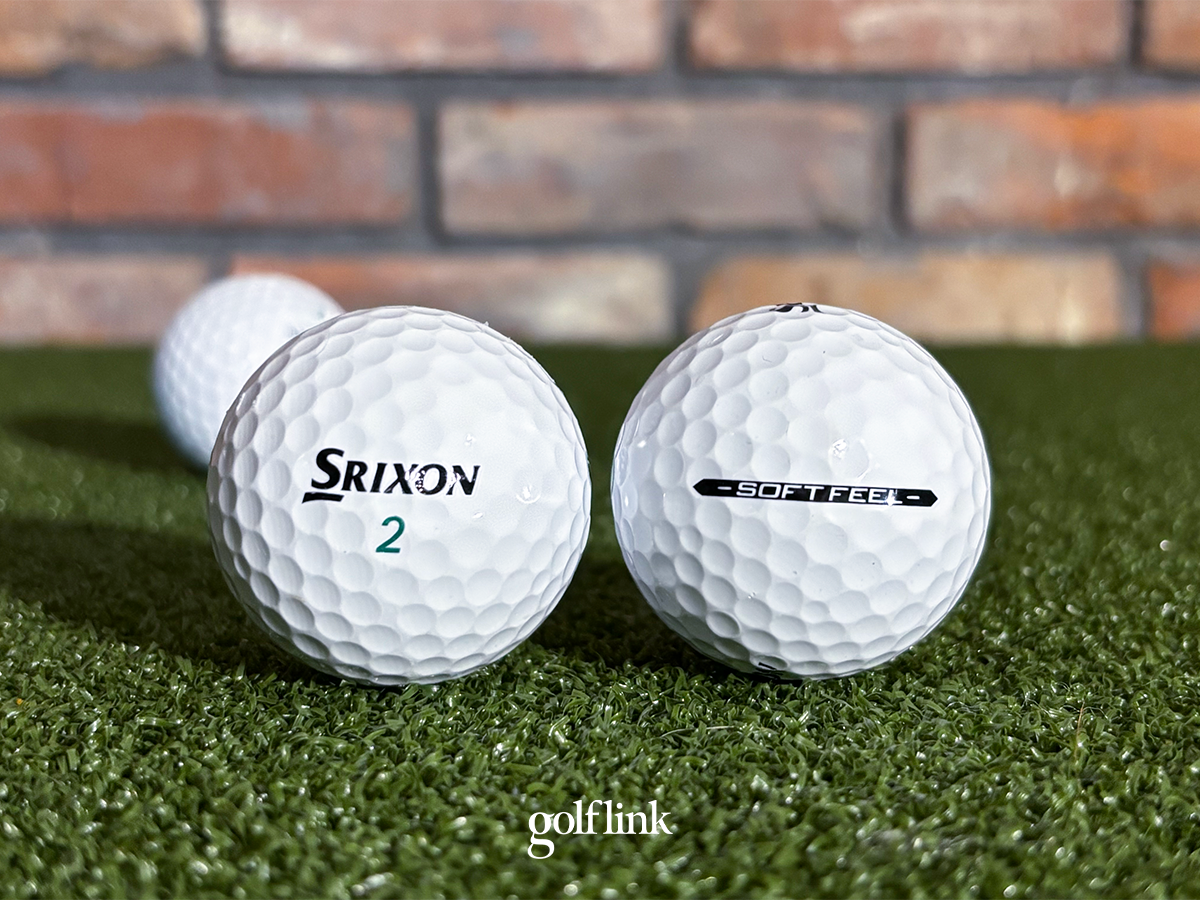
In golf ball speak, soft is virtually interchangeable with slow. And slower, of course, means shorter. So why do so many players make Srixon Soft Feel their ball of choice?
In this case, it’s more about how it flies than how far it flies, and Soft Feel delivers a forgiving flight that gets airborne easily. Not to mention it satisfies golfers who crave the soft-off-the-face feeling. And at $17 a dozen, you can afford to splash a few into the water.
How We Tested Srixon Soft Feel
We put the Srixon Soft Feel through our published golf ball testing protocols using the SkyTrak ST Max launch monitor. That means human swings under strict bands for swing speed, impact quality, and delivery dynamics.
To see performance from tee to green, we test driver, 7-iron, and 50-yard wedge shots with each ball.
We tested 43 golf balls in total for 2026 then translated the raw data into 1-10 scores in the categories that matter most to your game. That lets you easily see how each ball stacks up to the field.
See the complete list of every golf ball we’ve tested or dive into the full Srixon Soft Feel test data here.
Srixon Soft Feel Specs, Pricing & Performance
CHECK AMAZON
CHECK GOLF GALAXY
CHECK PGA TOUR SUPERSTORE
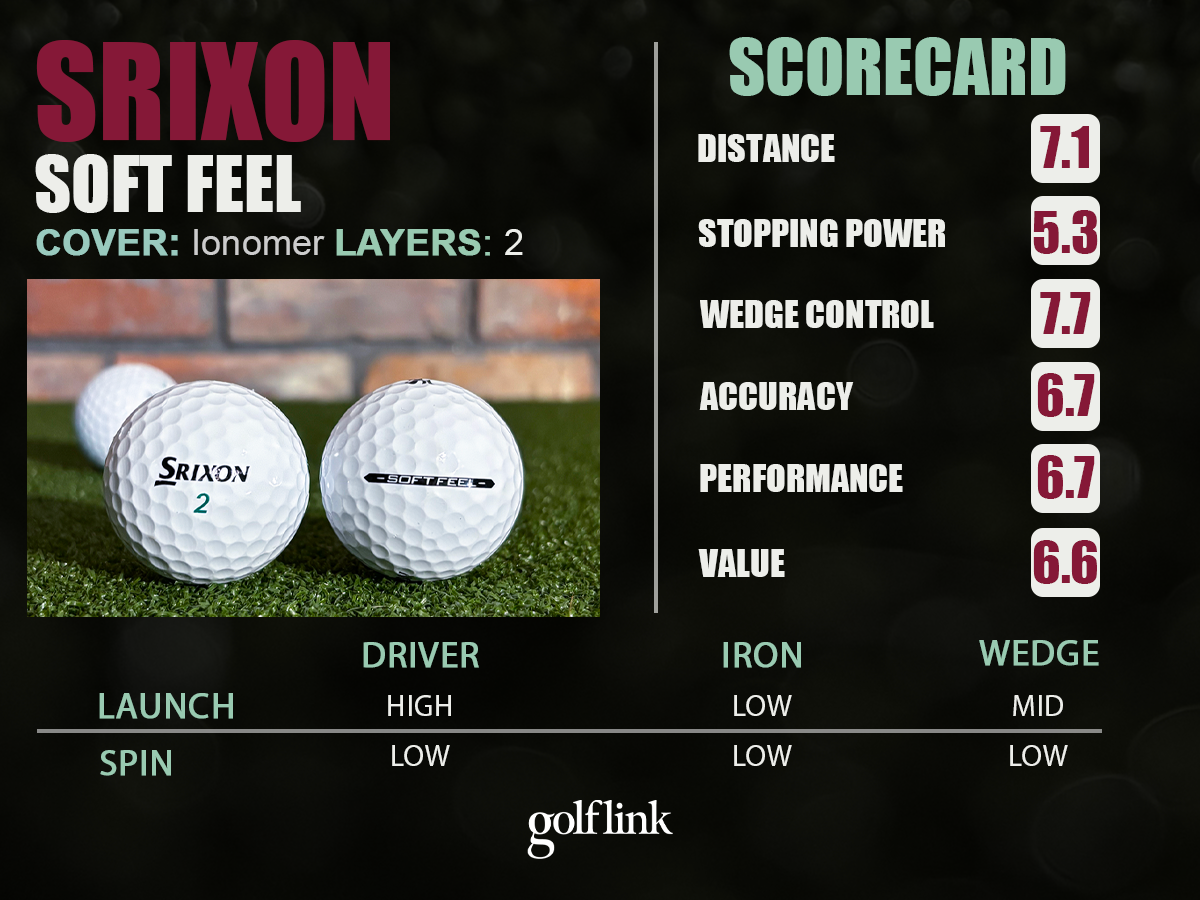
Cover: Ionomer
Layers: 2 Layers
Price: $24/dozen (bulk: $17/dozen, 2 dozen minimum)
There’s no hiding from it: Srixon Soft Feel did not score well in our testing. But when you look at its performance as a whole, you can see why it’s such a popular ball. It’s simply a natural fit for a big segment of players.
It feels soft, which so many players love. It launches high, which so many players need. And it’s one of the most affordable golf balls of 2026.
|
Srixon Soft Feel |
Spin |
Launch |
|
Driver |
Low |
High |
|
7-Iron |
Low |
Low |
|
50-Yard Shot |
Low |
Mid |
Distance: 7.1/10
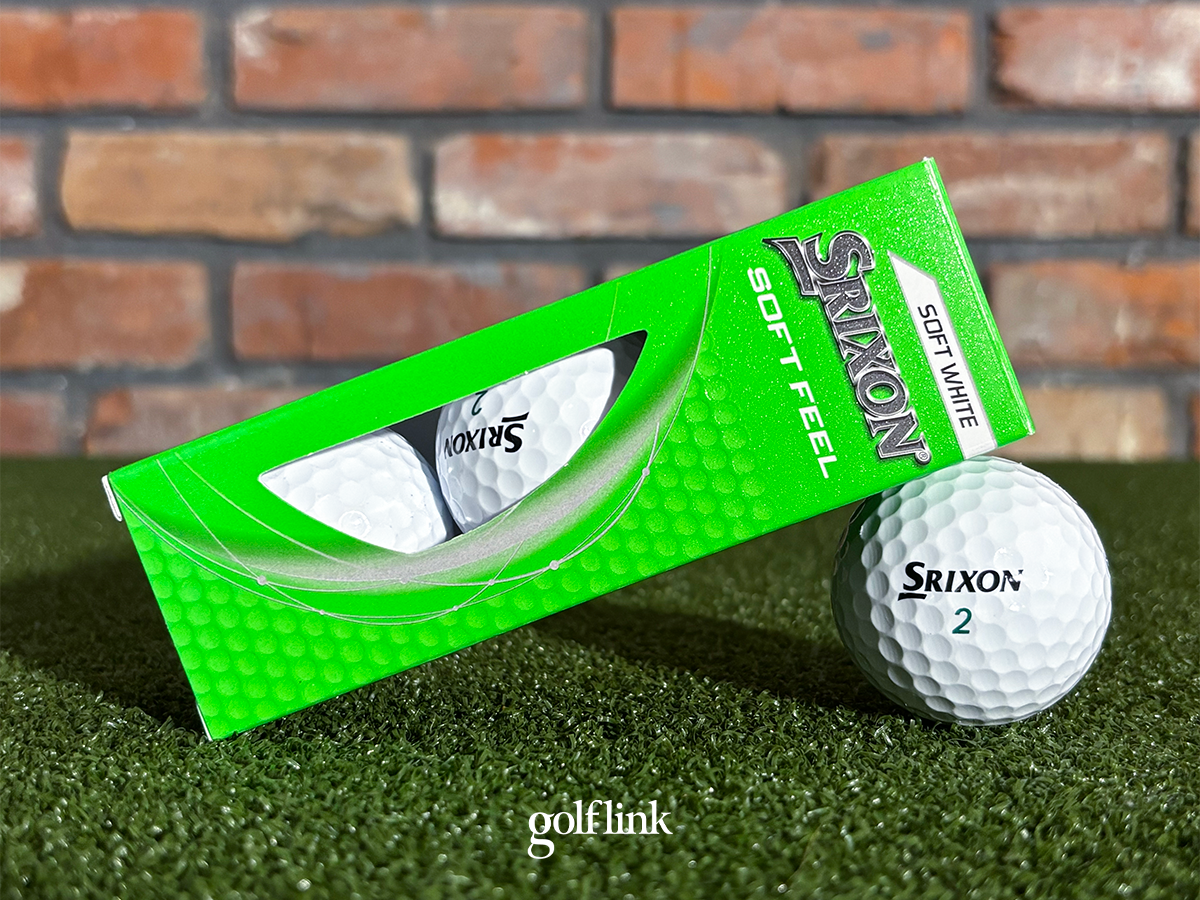
The rule of thumb is, if you play a soft ball, you’re giving up ball speed. The good news for players who like the feel of soft is that there are other ways to turn out competitive distance. The high-launch and low-spin combo is the next best thing for distance off the tee, and Srixon Soft Feel nails the assignment.
Soft Feel created more ball speed with driver than only one ball in our 43-ball test, but managed to out-drive 12 others. That’s optimal ball flight at work. And at the end of the day, its 240.1 total yards off the tee were only a yard and a half shorter than average.
Not bad for a slow ball.
|
Category |
Srixon Soft Feel |
|
Ball Speed |
135.3 MPH |
|
Carry (yds) |
218.4 |
|
Total (yds) |
240.1 |
|
Distance Score |
7.1 |
Stopping Power: 5.3/10
Our 7-iron test is designed specifically to identify how well a ball holds greens in the approach game, but the opposite side of that coin also appeals to a big segment of players: more roll out and more distance through the bag.
Precision players who want drop-and-stop performance, look away. Everyone else, indulge.
We simply couldn’t get Soft Feel to spin or stop, but we could get it to roll forever. Tired of coming up short on every approach shot? The 15-plus yards of roll Soft Feel delivered can certainly help. When it finally stopped, it averaged 180.5 yards, longer than all but three balls in our 43-ball test.
Stopping Power? Nah. Soft Feel is all about rolling power. Take it or leave it.
|
Category |
Srixon Soft Feel |
|
Apex (yds) |
20.4 |
|
Descent Angle |
36.6° |
|
Roll |
15.1 |
|
Stopping Power Score |
5.3 |
Wedge Control: 7.7/10
Srixon Soft Feel flips the script on most of the two-piece balls we tested. Usually they’re fairly easy to stop with the irons, but tough to control around the greens.
We just documented that it takes a runaway truck ramp to stop Soft Feel in the approach game, so what does it do on partial wedge shots? It stops.
With just shy of 6,000 RPM of spin, Soft Feel spun more than all but one two-piece ball (Maxfli Softfli) in our 50-yard wedge test. The 31.6° launch angle was the strongest of the two-piece balls as well.
So, if you want a soft-feeling budget ball that offers more control in the short game and more roll-out with the irons, Soft Feel is looking pretty good.
|
Category |
Srixon Soft Feel |
|
50-Yard Spin (RPM) |
5894 |
|
50-Yard Launch |
31.6 |
|
Wedge Control Score |
7.7 |
Accuracy: 6.7/10
Srixon Soft Feel didn’t demonstrate any particular ability to resist sidespin. It’s a traditional you-get-out-what-you-put-in type of ball, particularly off the tee.
It was straighter in our iron test, averaging just 105 RPM of sidespin and 4.4 yards offline, which is nice, but with 250 RPM of sidespin and an average of 11 yards offline in our driver test, if you want to keep it in the fairway, you have to put a decent swing on it.
|
Category |
Srixon Soft Feel |
|
Driver Sidespin (RPM) |
250.3 |
|
Driver Offline (yds) |
11.1 |
|
7-Iron Sidespin (RPM) |
105.4 |
|
7-Iron Offline (yds) |
4.4 |
|
Accuracy Score |
6.7 |
Value: 6.6/10
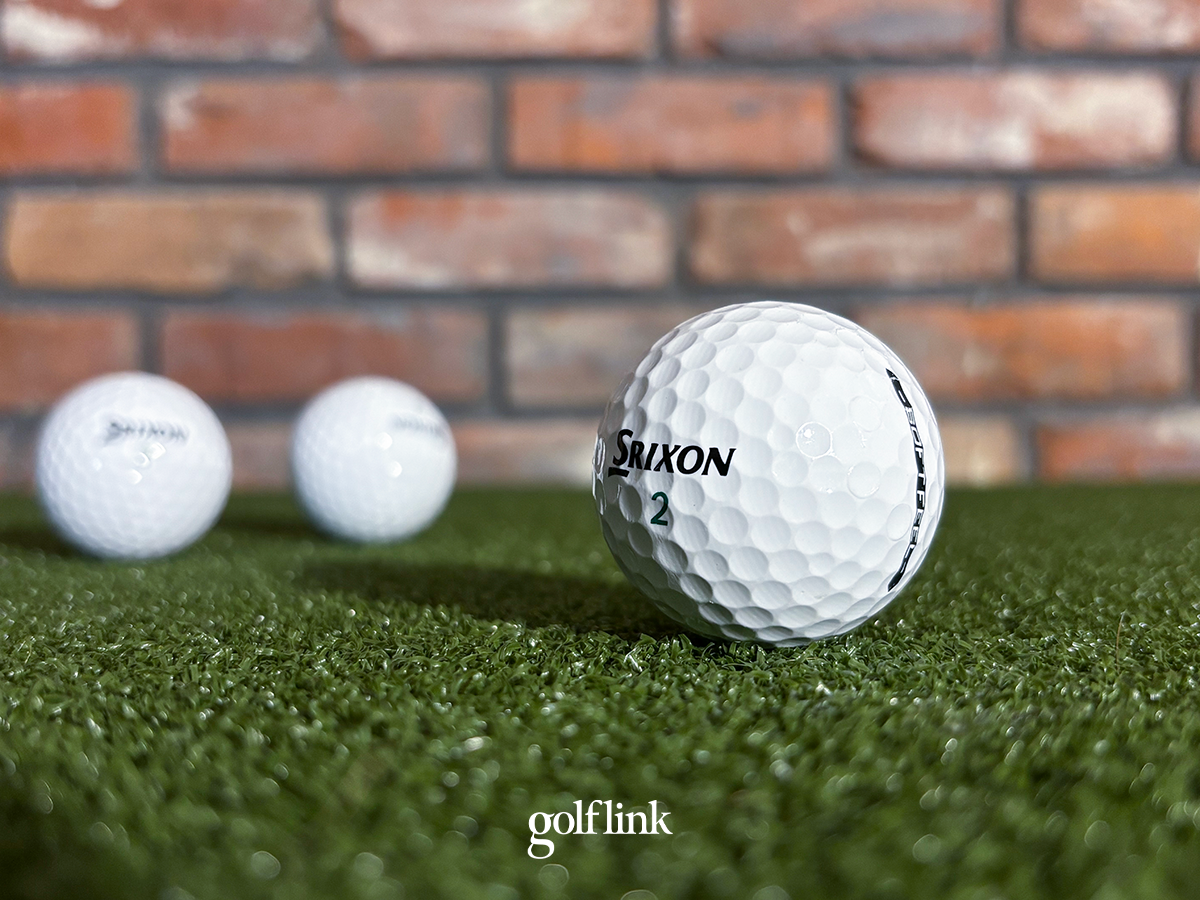
Nothing makes golfers look past some red flags like a great value, and Soft Feel has that in spades.
Our Value Score might not show it, but that’s weighed down by Soft Feel’s lack of stopping power. For players who consider that added distance to be a perk, not a drawback, Soft Feel, and its $35 double dozen, become a lot more attractive. Especially to players who like the idea of a ball that launches high.
Value is in the eye of the beholder.
Who is Srixon Soft Feel For?
The high launch that Srixon Soft Feel provides off the tee, combined with the sub-$20 bulk price, make it appealing to beginners.
Plus, it’s one of the best two-piece, soft-feeling balls around the greens, which is an area where most two-piece balls force you to compromise.
If strong short game performance and extra distance with the irons is appealing to you, Soft Feel just might be the one.