Chrome Tour vs. Pro V1: Tested Head‑to‑Head
Our real‑world test reveals where each ball stands out and how they differ.
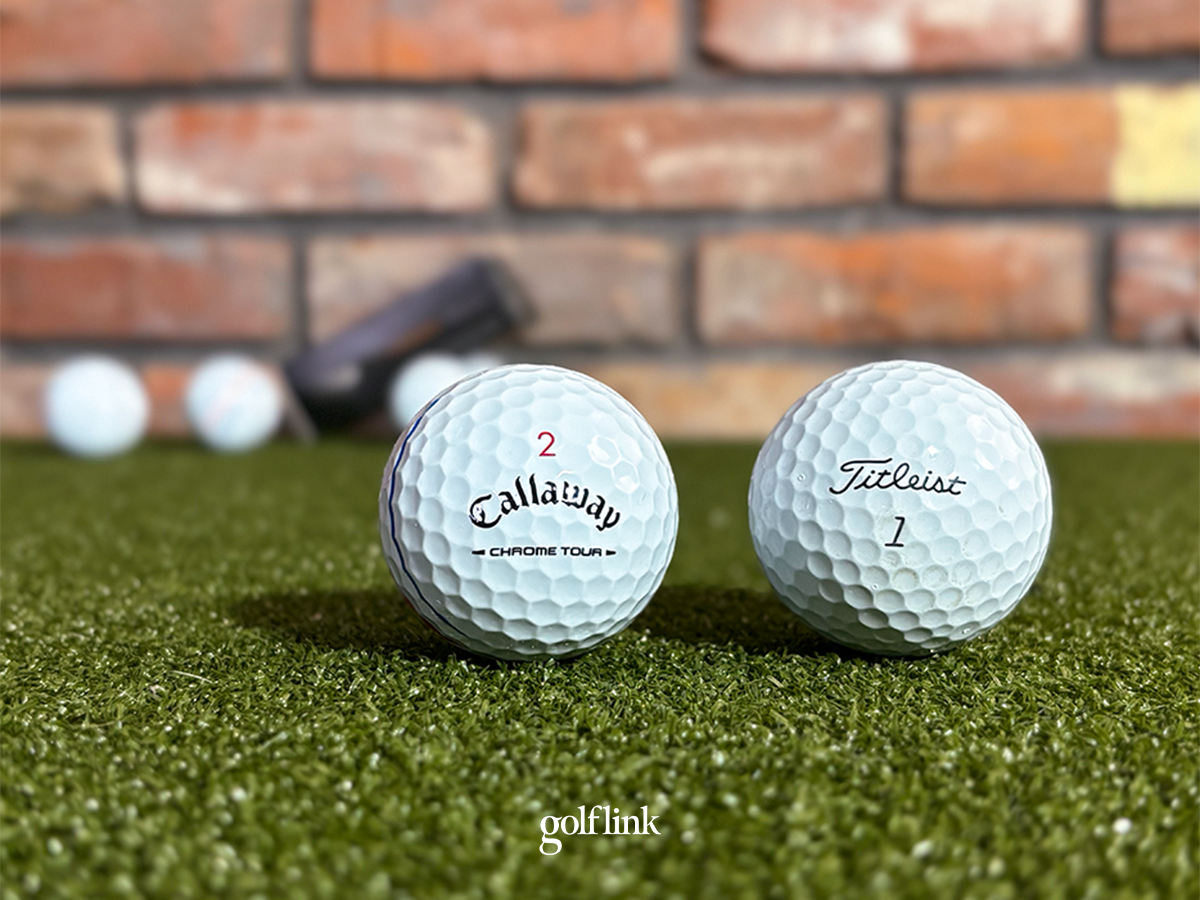
Titleist Pro V1 is the gold standard in golf balls. It’s been that way for a quarter century. Callaway Chrome Tour, however, has emerged as the top challenger to the Pro V1 reign, giving better players and those with faster-than-average swing speeds another strong premium option.
We tested Chrome Tour vs Pro V1. Find out what our test revealed about each ball and how they differ.
How We Tested Chrome Tour vs. Pro V1
We tested both the Titleist Pro V1 and the Callaway Chrome Tour using our standardized golf ball testing protocol on the SkyTrak ST Max launch monitor. We use strict benchmarks for swing speed, shot quality, and delivery dynamics (neutral face and path) to keep results as consistent as possible.
Because we test with human swings, not robots, our data reflects the performance differences you can actually expect to see on the course, not microscopic variances under perfect conditions. Individual results will vary, but the patterns we see across dozens of shots are meaningful.
Learn more about how we test golf balls. You can also check out our full Titleist Pro V1 test data here and our Callaway Chrome Tour test data here.
Titleist Pro V1 vs Callaway ERC Soft: Which Fits Your Game?
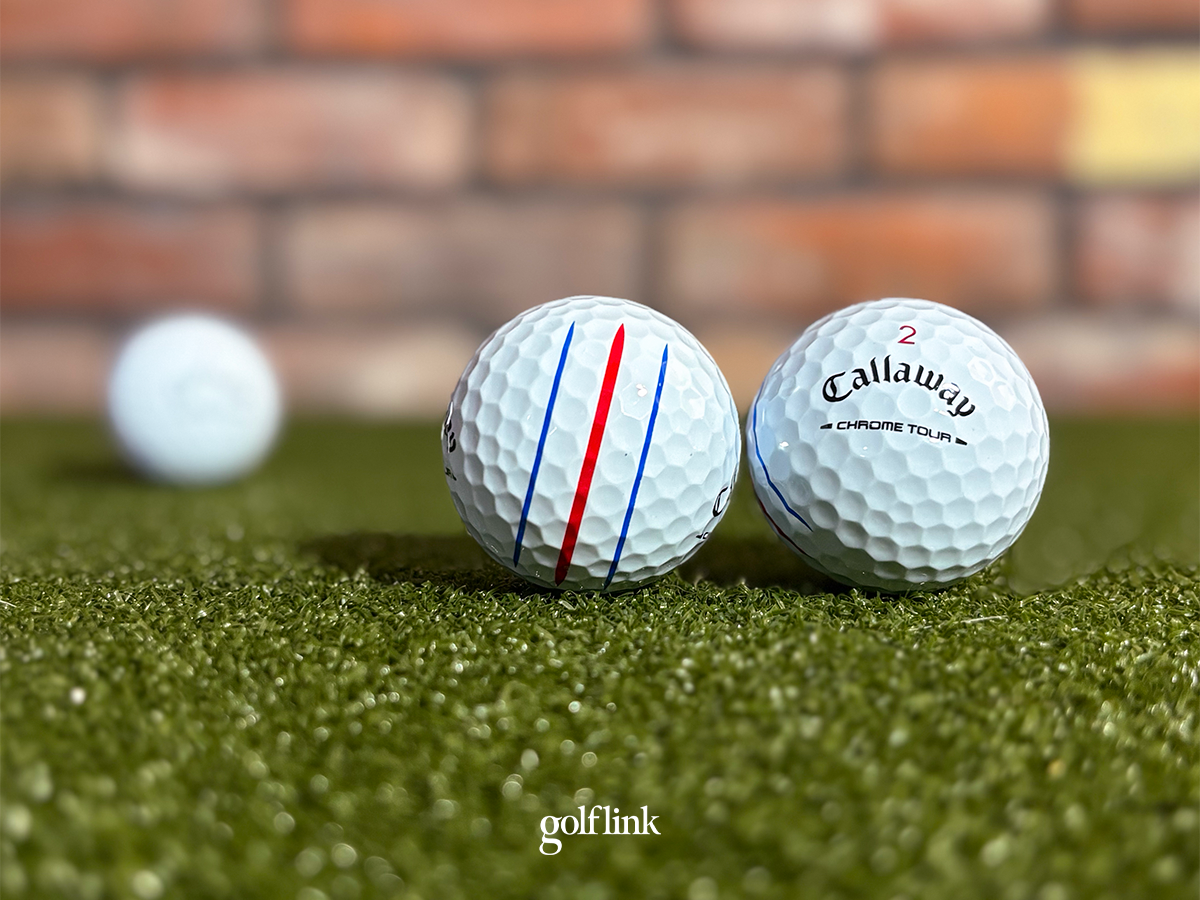
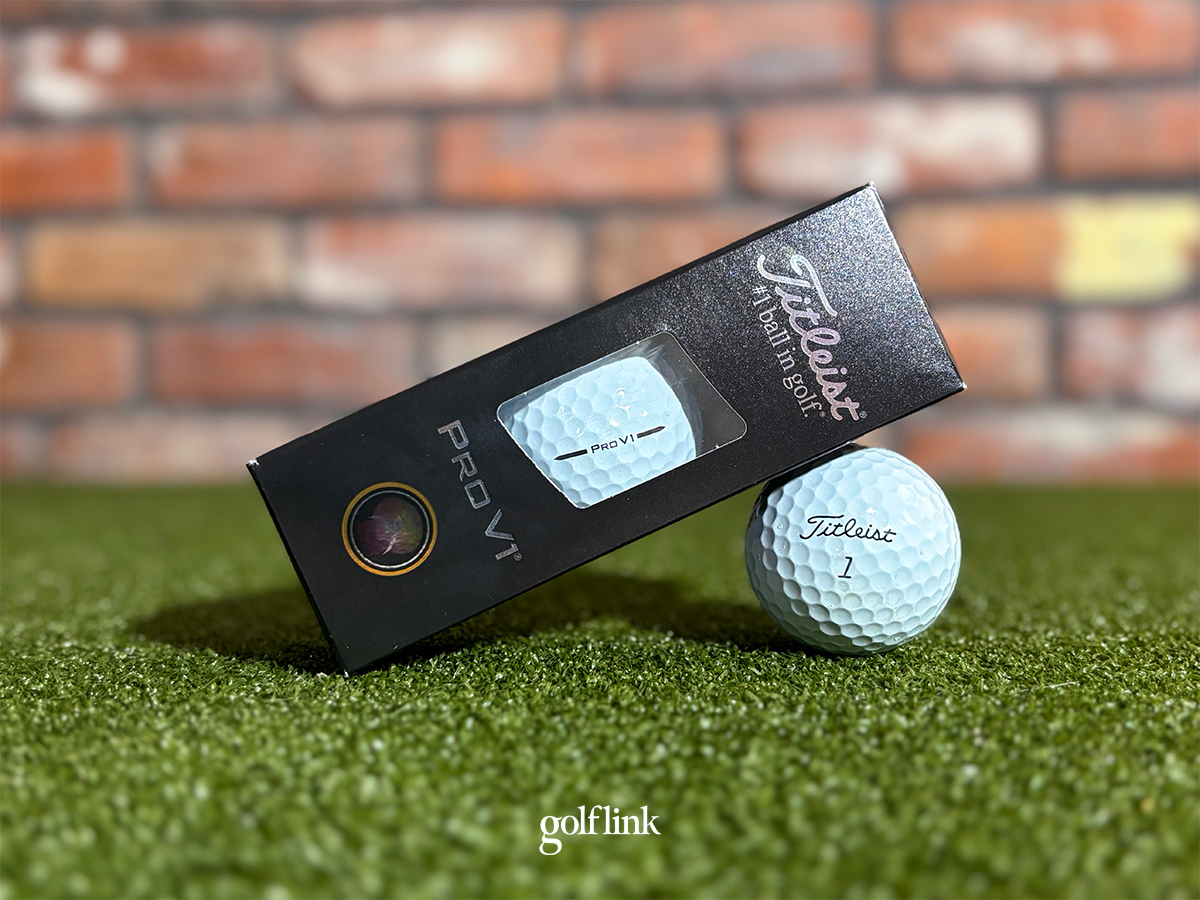
Chrome Tour vs. Pro V1 Overview
Shop Titleist Pro V1
SHOP DICK'S
SHOP AMAZON
Chrome Tour and Pro V1 performed remarkably similarly in our testing. Given Pro V1’s unofficial status as King of the Hill, perhaps it’s fair to say Chrome Tour does a remarkable job of challenging it.
Before we dive into each ball’s performance in our test, let’s quickly see how they compare from the outside.
|
Titleist Pro V1 |
Callaway Chrome Tour |
|
|
Cover |
Urethane |
Urethane |
|
Layers |
3 |
3 |
|
OEM Description |
Mid trajectory; very low long game spin; high short game spin |
Low long game spin, high short game spin |
|
Price |
$58 | CHECK DICK'S |
$58 | CHECK DICK'S |
Shop Callaway Chrome Tour
SHOP CALLAWAY
SHOP DICK'S
SHOP AMAZON
Driver Performance
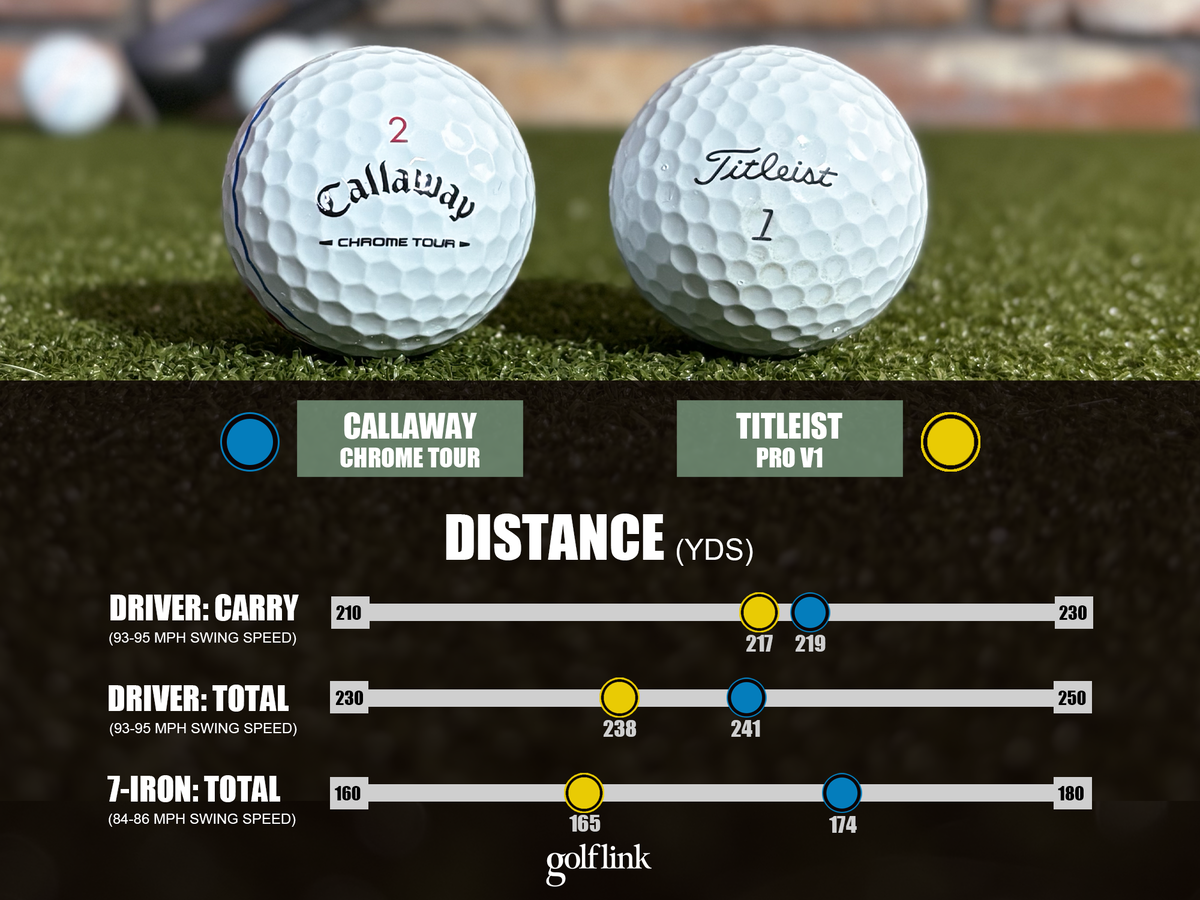
It’s time to dive into exactly how each ball performed in our test. Just like on the course, we’ll start on the tee.
Let’s look at the important data, then we’ll break it down.
|
Data |
Pro V1 |
Chrome Tour |
Winner |
|
Swing Speed / Ball Speed / Smash |
93.9 / 136.0 / 1.45 |
93.8 / 136.6 / 1.46 |
– |
|
Carry (yds) |
217.3 |
219.4 |
– |
|
Total (yds) |
237.6 |
240.6 |
Chrome Tour |
|
Spin (rpm) / Spin SD |
2614 / 329 |
2581 / 234 |
– |
|
Launch |
14.1° |
13.9° |
– |
|
Offline (yds) |
13.6 |
13.9 |
– |
These two balls are about as close as any two balls we’ve seen in a single phase of our test.
Distance
Individually, half a mile per hour of ball speed and two yards of carry in a human test aren’t meaningful differences. When you consider the whole picture, including a tick lower swing speed, a little more ball speed, slightly more carry, a hair less spin, and three yards of total distance, it’s enough evidence to give a narrow edge to Chrome Tour in the driver distance category.
The three-yard edge is on the border of my barometer of would you notice this difference on the course? Since Chrome Tour had slightly tighter standard deviations in ball speed, side spin and carry distance, I’d say that three-yard difference might be noticeable to the naked eye during a round.
Ball Flight
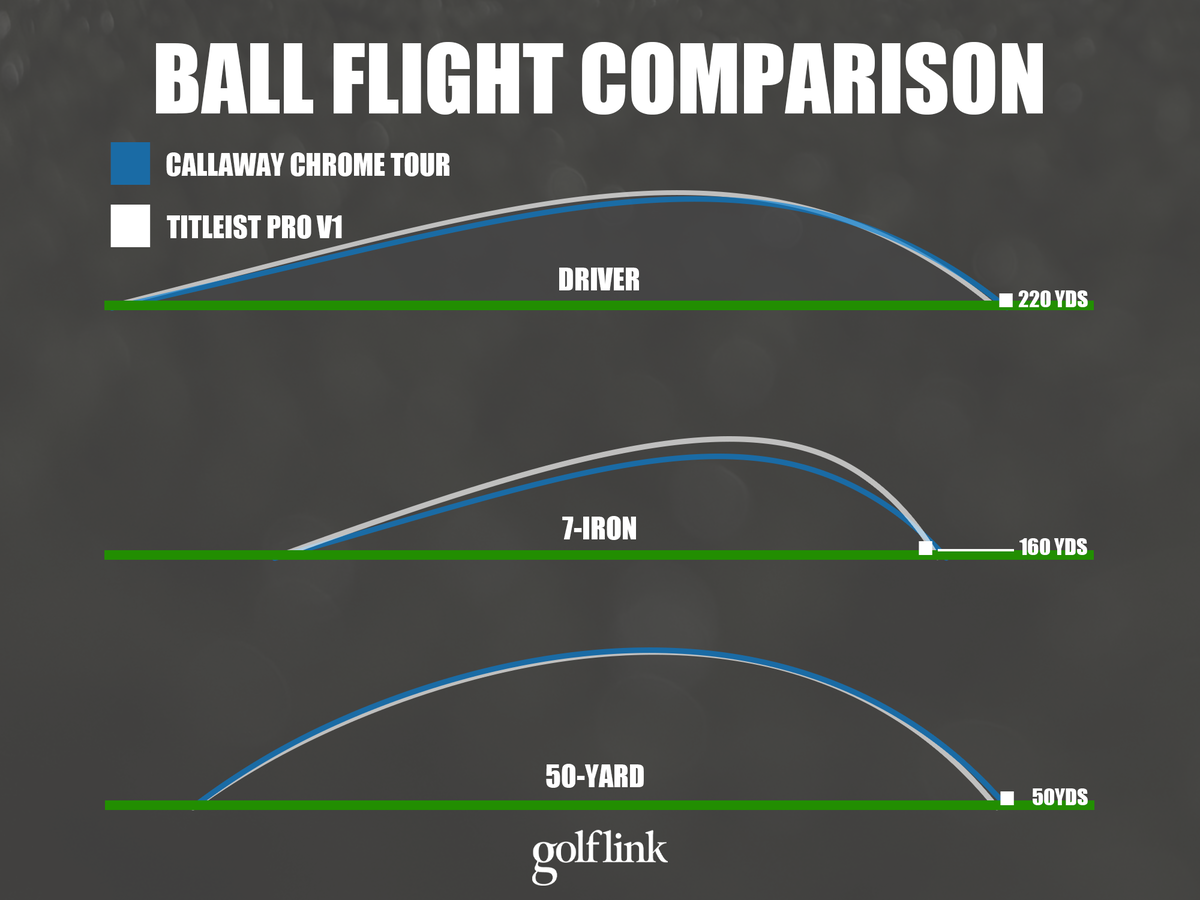
Ball flight off the tee is indistinguishable between Pro V1 and Chrome Tour. The difference in our test was just two-tenths of a degree of launch angle and two feet of peak height.
Overall, both balls showed a mid-launch, mid-trajectory profile with driver.
Consistency
When it comes to consistency, Chrome Tour fared a little better than Pro V1. Standard deviation reflects both the ball’s consistency and the natural variability of a human test. I consider it a good directional gauge, not a definitive verdict.
With that being said, that gauge points to an advantage for Chrome Tour, which produced tighter standard deviations in all three categories that we look at in our driver test: ball speed (-1.9 mph), spin (-95 rpm), and carry distance (-1.3 yards).
7‑Iron Performance
There isn’t much separating Pro V1 and Chrome Tour off the tee, but that story changes as we move to approach shots.
In our 7-iron test, Pro V1 showed why it’s so tough to dethrone.
|
Data |
Pro V1 |
Chrome Tour |
Winner |
|
Swing Speed / Ball Speed / Smash |
85.5 / 111.9 / 1.31 |
84.9 / 112.8 / 1.33 |
Chrome Tour |
|
Carry (yds) |
162.1 |
163.6 |
– |
|
Roll (yds) |
6.4 |
10.4 |
Pro V1 |
|
Spin (rpm) / Spin SD |
4923 / 424 |
4495 / 277 |
Pro V1 |
|
Launch |
20.8° |
17.8° |
– |
|
Apex (yds) |
27.8 |
23.0 |
Pro V1 |
|
Descent Angle |
45.8° |
41° |
Pro V1 |
Stopping Power
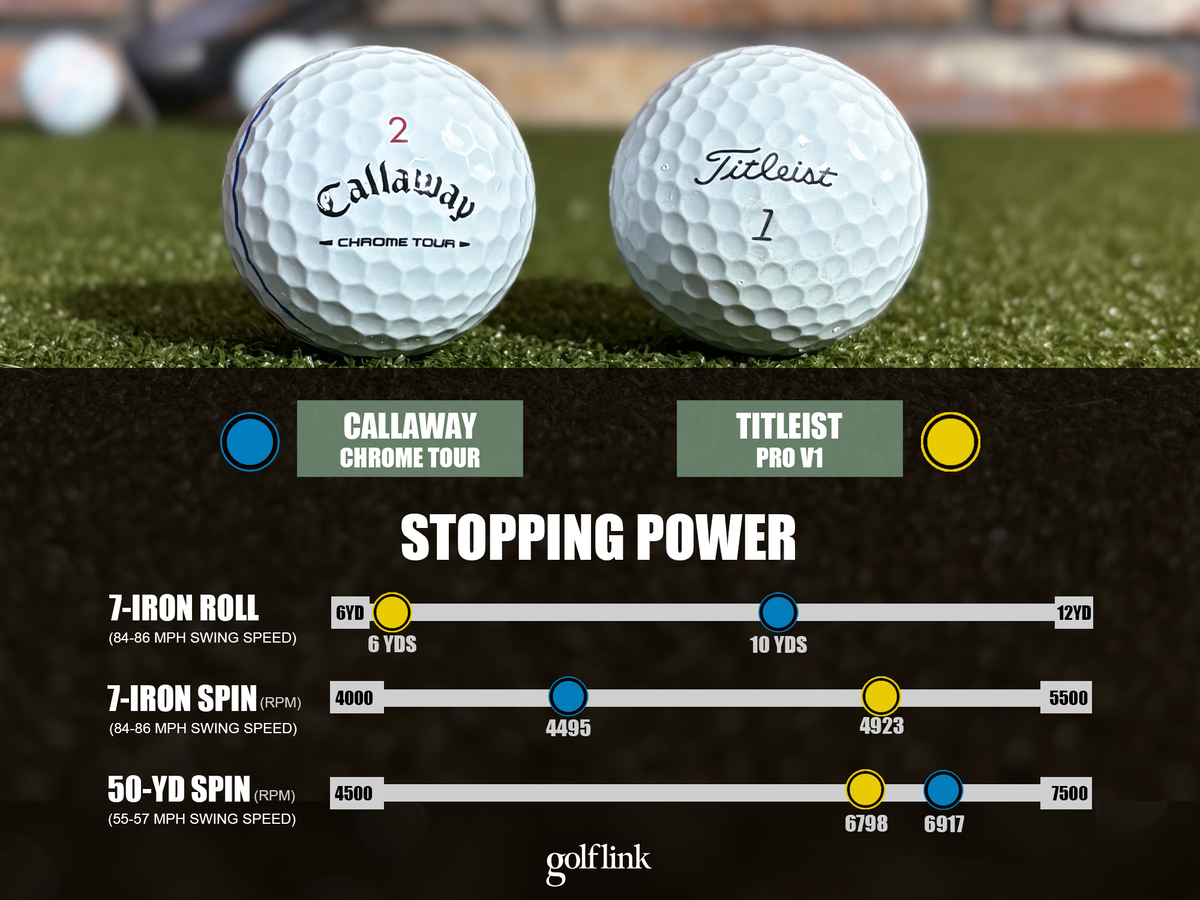
The conclusion here is simple: if you want stopping power, you want Pro V1. Compared to Chrome Tour, Pro V1 stopped significantly faster thanks to more spin, a higher apex, and a steeper descent angle.
Of all the categories our golf ball test covers, Stopping Power is easily the one that created the most separation between these two balls. This is the one differentiator that you can expect to notice on the course throughout the round, whether you strike it pure or catch it a little off-center.
Not only did Pro V1 separate itself from Chrome Tour in our iron test, but it proved to be one of the top performers for stopping power in our iron test overall.
Distance
Of course the opposite side of that coin is distance. A ball that stops quicker is bound to produce less total distance, since roll contributes to that sum.
Chrome Tour produced slightly faster ball speeds, a little more carry, and about five more yards of total distance than Pro V1.
The problem is four of those five extra yards of distance came at the expense of stopping power, which most golfers shopping in this category prioritize over sheer distance from this part of the bag.
Ball Flight
In our 7‑iron test, Pro V1 had a higher ball‑flight profile. It launched higher, peaked higher, and landed steeper. These differences were all enough to matter on the golf course.
If you prefer a certain ball flight—higher and softer (Pro V1) or lower and more penetrating (Chrome Tour)—you can lean into that preference with your choice between these two.
50‑Yard Wedge Performance
Short game performance is the number one priority in a ball for many golfers, especially higher-caliber players shopping for a tour-level ball.
As you would expect from two of the most popular balls played on tour, both the Pro V1 and Chrome Tour shined in our 50-yard test.
|
Metric |
Pro V1 |
Chrome Tour |
|
Ball Speed (mph) / SD |
50.5 / 1.7 |
50.8 / 2.6 |
|
Spin (rpm) / SD |
6798 / 482 |
6917 / 254 |
|
Launch |
32.6° |
32.6° |
|
Apex (yds) |
9.1 |
9.4 |
|
Descent Angle |
42.8° |
43.3° |
|
Carry (yds) |
47.0 |
47.1 |
|
Roll (yds) |
2.0 |
2.1 |
When it comes to control into the green, both balls turned in top-tier performance with no weakness to speak of. Both Pro V1 and Chrome Tour ranked in the upper half of our test for spin and roll, which places them in the top-tier of the balls we’ve tested so far.
The two balls proved to be very similar from 50 yards. Spin numbers were within 125 rpm, launch was identical, apex was within a foot, descent angle was within half a degree, and roll was virtually indistinguishable.
In other words, you won’t find much that separates these two balls from each other in the short game, and considering both are among the most popular balls on tour, it’s fair to say they both deliver world-class results around the green.
Chrome Tour vs. Pro V1: How to Choose
This comparison revealed more similarities than differences. Pro V1 and Chrome Tour produced virtually indistinguishable ball flight in our 50-yard test, and Chrome Tour held a very small advantage off the tee.
The real difference between the two balls showed up in our 7-iron test, where Pro V1 dominated with its best-in-class stopping power.
Chrome Tour, naturally, produced more distance in our iron test and proved to deliver a different ball flight than Pro V1 with the 7-iron.
Here’s how to choose which one is likely a better fit for you based on our testing:
Pro V1 is for golfers who want:
- Higher iron flight
- Elite stopping power on approach shots
- Tour-caliber greenside control
Chrome Tour is for golfers who want:
- More ball speed off the tee and with irons
- More driver and iron distance
- Tour-caliber greenside control
Final Shot
Pro V1 vs. Chrome Tour is a heavyweight matchup. Both balls get the job done for many of the world’s best players, and our test, which highlighted more similarities than differences, shows why.
If you’re choosing between them, or just want to know the difference between the two, it’s simple: Chrome Tour has a small edge off the tee. Pro V1 has a bigger edge into the green.