Play Great Golf in the Wind and Blow Away the Competition
As golfers, we look forward to our next tee time the way kids obsess over an upcoming Halloween. Constantly checking the weather forecast for our round of golf is just part of the routine. But what do you do when you see that gust-of-wind icon clouding your precious golf hours? Some golfers fear playing in the wind, but you can learn how to master the wind and blow away those opponents in the meantime.
How to Prepare for a Windy Round of Golf
You know it’s going to be windy throughout your next round of golf. That raises several follow-up questions, like just how windy will it be, how much will the wind affect your golf shots, and how are you supposed to play good golf in the wind, within the Rules of Golf?
Predicting and Understanding the Wind
Let’s nod to the golfers of past centuries who had to rely only on feel and instincts to adapt to the ever-changing wind conditions. Alas, today we have the ability to predict and gauge wind using much more sophisticated technologies than golfers of generations past, so why not take advantage of our smartphones, tablets and laptops?
There are various apps you can use to get really useful wind information for your round of golf. The best free wind forecast app is Windometer. Windometer gives you a 24-hour wind forecast and real-time wind information for your location, including direction and speed. Because you are not using the app to measure the actual wind of your location – rather accessing a forecast of the information – using an app such as Windometer before and during your round is not a breach of Rule 4.3(2) regarding Information on Wind and Other Weather Conditions.
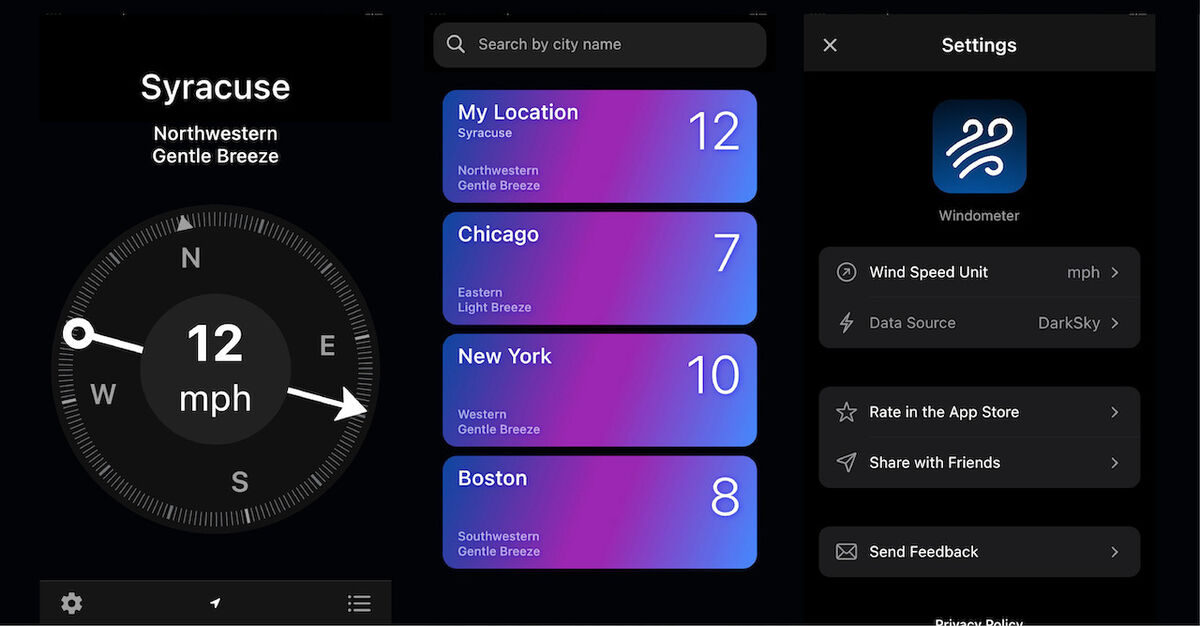
WIndometer/Ryan Ramchandar
Wind Speed is another useful app for preparing for a windy round of golf. The premium version, which costs $12 a year, offers a 7-day hourly wind forecast with direction and wind speed predictions.
While these apps, and others like them, are a great tool to help you succeed in the wind, the Rules of Golf draw the line there when it comes to gauging the wind. You are not allowed to use an artificial object, such as powder, cigar smoke, or a handkerchief, for the purpose of gauging the wind. You are also prohibited from using an actual wind-measuring device during your round.
Dressing for Golf in the Wind
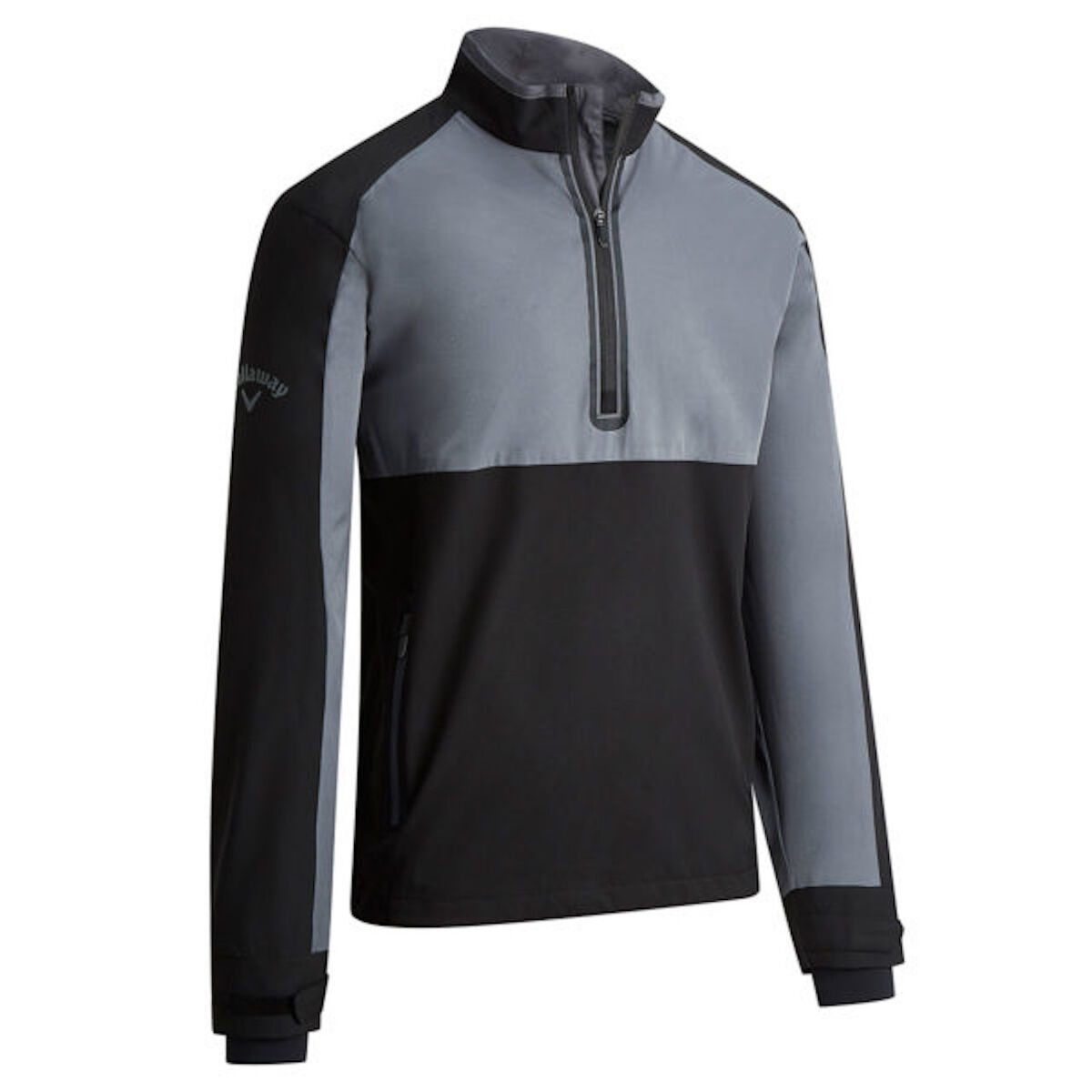
If you want to be comfortable playing golf in the wind, you must make sure you’re comfortable. That means being prepared with the proper golf attire for the situation. On windy days, the temperature can be quite deceiving. Pay attention to the predicted “feels like” temperature, and be sure to bring a windbreaker designed for golf.
A jacket or windbreaker not designed with golf in mind is likely to cause discomfort during your swing and restrict your ability to complete a full turn or follow through. A golf-specific windbreaker will allow you to move freely throughout your swing. If you just can’t make a comfortable swing in any windbreaker, consider a vest as an alternative.
Callaway Golf
Reading Wind on the Golf Course
Using a weather or wind app can help you prepare for a round of golf, but you probably don’t want to refer to it on every shot or hole. At some point, you’ll have to develop and rely on your own ability to read the wind. There is no one method for reading the wind, rather a combination of several methods and factors that give you the best overall picture of what the wind is doing from the point your shot starts, to your intended target.
Face the Wind
The easiest way to find exactly which direction the wind is coming from is to use your ears. Slowly turn towards the wind until you hear the wind equally in both ears, that’s when you’re looking directly into the wind.
Golfer Grass Toss
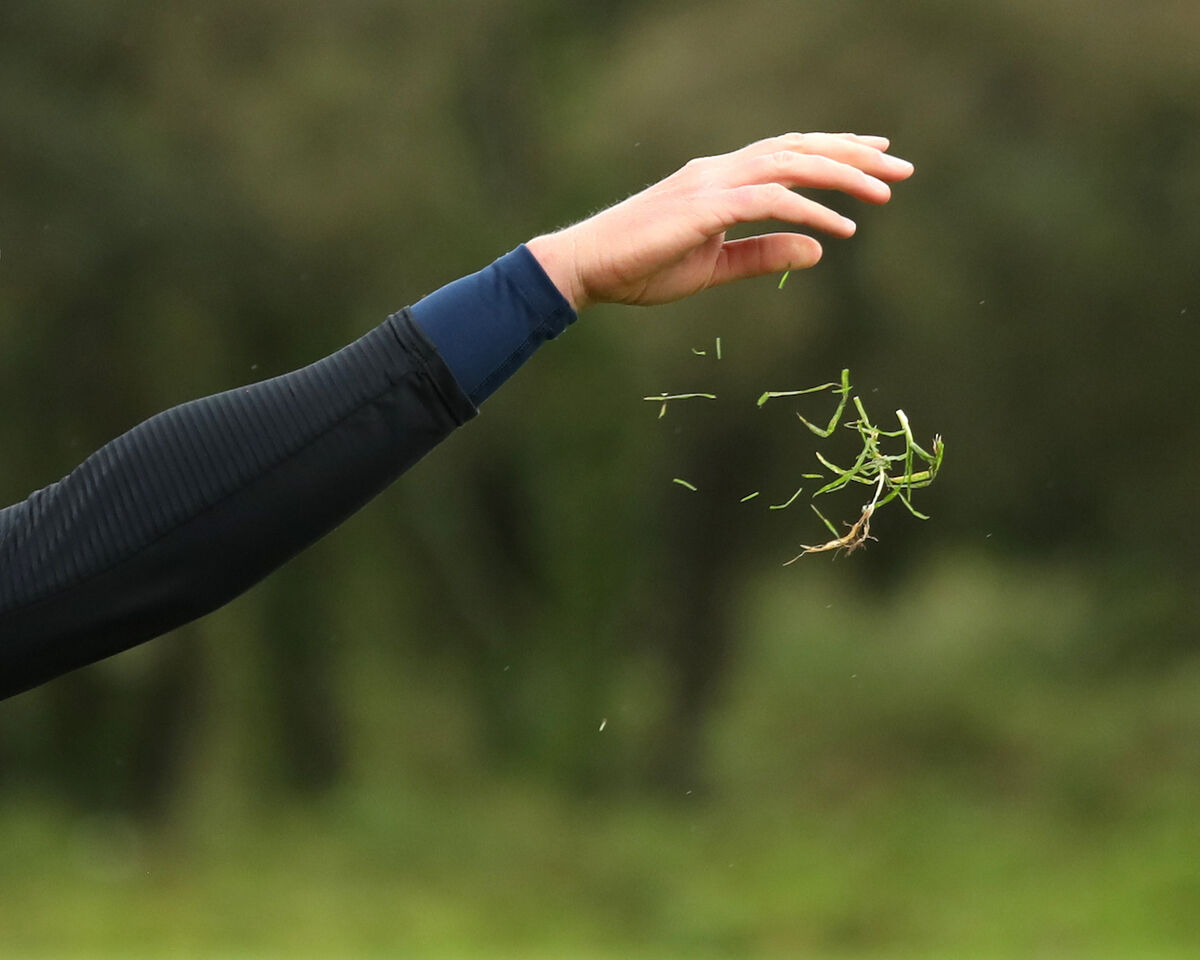
Every golfer has done it. Grab a few blades of grass and toss them into the air. This is a quick and easy way to get a picture of wind direction, and speed, at the point your ball shot starts. However, this method doesn’t illustrate what the wind is doing at your shot’s apex, or your intended target.
Look Around
It’s important to take note of what the wind is doing from where your ball will start, to where it will land. While gauging the wind speed and direction using the methods above are a great start for sensing the wind at the start of your shot, they fall short of painting the entire picture.
Fortunately, every golf hole has at least one flag on it. Take a look to see if the wind at the flag is consistent with the wind where your shot will start. If there are flags on nearby holes in sight, take note of those as well. Particularly pay attention to how differences in elevation impact the effect of the wind. If a flagstick on top of a hill with nothing surrounding it is blowing like crazy, but one in a bowl at the bottom of a hill seems calm, consider which is a better indication of what your golf shot will be exposed to.
Look at the trees between you and the hole. Using multiple layers of information gives you the best picture possible of how to gauge the wind on your next shot.
How Much Does Wind Affect Your Golf Ball
What better way to measure wind’s effect on a golf shot than TrackMan, the device built to collect golf club and ball data? TrackMan University presents some very interesting findings on how headwinds and tailwinds impact the flight of a golf ball.
TrackMan University: Wind Impact on 140 Yard Shot
|
Wind |
5 MPH |
10 MPH |
15 MPH |
20 MPH |
25 MPH |
|
Headwind |
-5.4 |
-11.9 |
-19.6 |
-28.4 |
-38.4 |
|
Tailwind |
+4.4 |
+7.7 |
+10.1 |
+11.7 |
+12.5 |
There are two main takeaways from this information. First, a headwind hurts your distance to a greater degree than a tailwind helps. Second, the greater the wind speed, the larger percentage of hurt or help the wind will have.
Unfortunately, these factors mean there’s no great rule of thumb for how much the wind will impact any given shot. Instead of simply guessing how much the wind will impact your stock shot, there are some variables that you can control to minimize the impact of the wind.
How to Play Golf in the Wind
When you’re playing golf in the wind, think about your spin. An easy way to remember this is the old saying “when it’s breezy, swing easy.”
Playing into a Headwind
The reason for this is that controlling your spin is the best way to beat the wind. Spin causes a ball hit into a headwind to balloon high into the air, destroying distance. The solution? Reduce spin by using a lower lofted club, keeping your ball below the wind and allowing you to hit it predictable distances. This will put a two-fold advantage into your corner.
The first advantage seems obvious: less loft equals less spin. The second one isn’t quite so obvious but makes just as much sense. Using a lower lofted club, for example, a 6-iron instead of an 8-iron, forces you to swing slower, and the lower your swing speed, the less spin you impart onto the ball.
Playing into a Tailwind
On the flip side, when you’re playing into a tailwind, you need to put some spin on the ball to keep it in the air. Since your ball flies a little farther with the help of a tailwind, this is a perfect time to club down, hit a pitching wedge instead of a 9-iron, for example, and make a full swing. The spin will ensure your ball stays in the air and help it land steeper and stop faster.
Playing into a Crosswind
Wind swirls, and golf courses zig-zag. That means you’re likely to find yourself negotiating a cross-wind much more often than a direct headwind or tailwind. Similar to a headwind and tailwind, a crosswind has a greater impact as the wind speed increases.
Learning how to negotiate a crosswind can seriously help you succeed on a windy day. If you have a tendency to hook or slice the ball, a crosswind will exaggerate that miss.
If you have the ability to shape the ball in either direction, hitting a draw or hitting a fade on command, your ideal option when hitting into a crosswind is to hit the shot shape opposite of the wind. If you hit a shot that rides the wind, that ball flight will get exaggerated and you’re more likely to lose control of the shot.
Blow Away the Competition
If you’re playing golf on a windy day, the chances are good that most of your opponents are frustrated, unconfident, and psyched out of the round because of the conditions. Now that you know how to attack a round of golf in blustery conditions, you have the confidence in your game that you can still post your best round.
By preparing for how much wind you will encounter, knowing how to read the wind on any given shot, understanding how different winds affect different shots, and how to hit successful shots into all wind types, you’re ready to blow away your competition.