How to Put Spin on a Golf Ball According to a Pro
Learn how to put spin on a golf ball and how to tell when you're doing it right
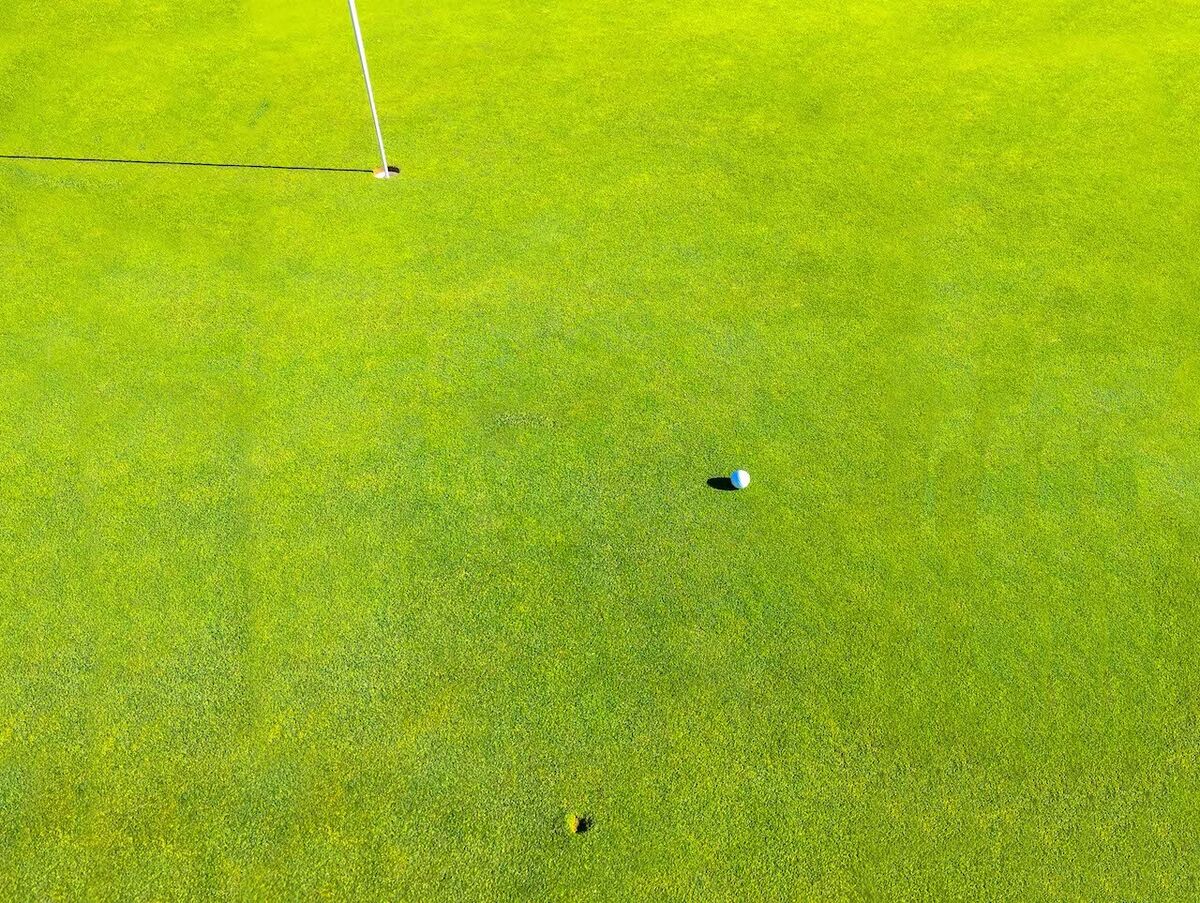
Watching a wedge shot land soft and spin back toward the hole never gets old. That’s backspin. And it’s not magic or something only scratch golfers can do. It’s physics and technique you can learn.
Most players think spin is about swinging harder or doing something special with their hands. Not really. It’s about how the clubface interacts with the ball. Get that right, and the spin happens naturally.
How Spin Actually Works
Backspin comes from friction between the clubface and the ball. When you hit down on the ball with a clean clubface, the grooves grab it and create rotation. More friction equals more spin.
Three things control how much spin you get: clubhead speed through impact, angle of attack (how steep you’re coming down), and contact quality. Hit the ball first, then the turf. That’s non-negotiable.
Sidespin works differently. That’s mostly about clubface angle relative to your path at impact. An open face with an out-to-in path gives you slice spin. A closed face with an in-to-out path gives you a hook spin. But backspin is what we’re after here.
Setting Up for Spin
The four setup keys to create more spin are:
- Ball position
- Weight forward
- Open stance
- Hands forward
Ball position matters. Play it slightly back of center in your stance. Not way back, just a bit. This helps you hit down on it instead of sweeping it.
Next, you want your weight forward. Shoot for 60% of your weight on your lead foot at address. Stay there through the swing. If you hang back, you’ll catch the ball on the upswing and lose all your spin.
Open your stance a touch if you want. This is not required, but it can help you swing down and across the ball slightly, which adds spin. Some players do this, some don’t, so try it both ways and see which works better for you.
Hands ahead of the ball at address. This delofts the club a bit and sets you up to compress the ball properly. If your hands are behind the ball, you can forget about spin.

9 Driving Range Games That Make It Fun to Improve
Swing Technique to Put Backspin on a Golf Ball
Forget trying to “put spin on it” with your hands. That’s how you blade it over the green.
Make an aggressive swing. Not violent. Aggressive. You need speed to create friction. A soft, gentle swing won’t generate enough clubhead speed to make the grooves work.
Hinge your wrists going back. Full wrist hinge. Then hold that angle coming down until right before impact. That’s where your speed comes from.
Hit down and through. Not at the ball, through it. The divot should start where the ball was and point at your target. Steep enough to compress it, but not so steep you’re digging a trench.
Accelerate through impact. This is huge. If you decelerate, the grooves can’t properly grab the ball. Commit to the shot and swing through to a full finish.
What to Look For
Sound tells you a lot. A properly compressed, high-spin shot sounds crisp. Almost like a snap. If it sounds dull or heavy, you’re not compressing it.
Your divots should be consistent. Same depth, same direction, starting just in front of where the ball was. Thin divots or no divot at all? Not enough spin. Massive craters? You’re coming in too steep.
Next, check your ball flight. High-spin shots launch higher with a steep descent angle. They land soft and either check up quickly or spin back. Low-spinners come in flatter and release forward.
Watch where your shots land versus where they end up. If the ball finishes closer to where it landed, you’re creating more spin. If it’s still releasing 15 feet past the hole, you need more work.

Ultimate Golf Divot Guide for Every Golfer
Equipment Considerations
Once you’re consistently creating spin, you might want to think about your gear. Fresh grooves matter. Worn wedges don’t grip the ball the same way.
Softer golf balls spin more than hard, distance balls. If you’re playing a rock and wondering why you can’t spin it, that’s probably why.
Wedge bounce and grind affect how the club interacts with the turf, which affects spin. But honestly, get the technique down first. Equipment tweaks come after you can execute the shot.