7 Putting Grips: Which One Should You Roll With?
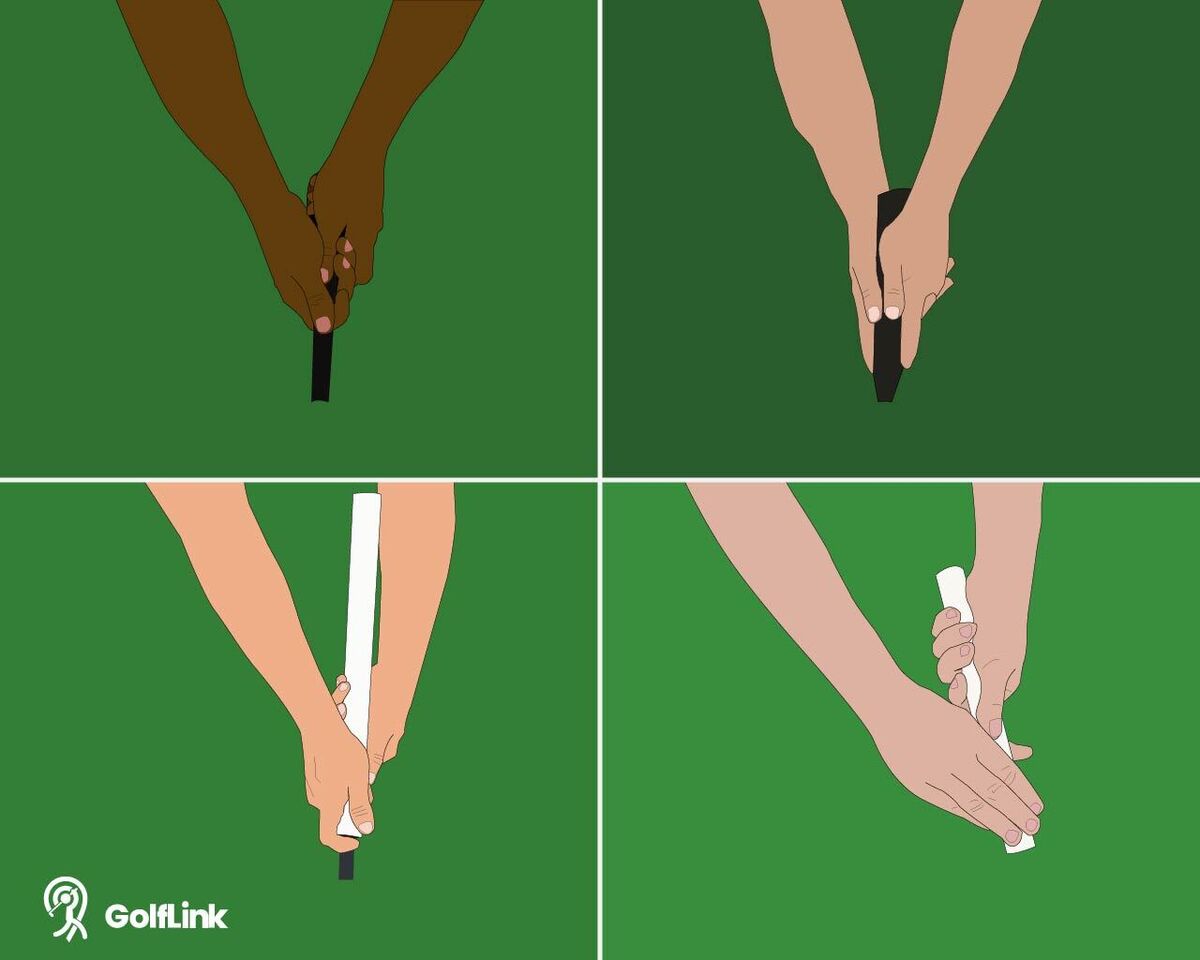
Putting is perhaps the most rewarding and defeating part of one’s golf game. People practice perfecting their putting for years, which results in some seriously unconventional techniques. Different putter grips suit different golfers. Finding the best putter grip for you is crucial in lowering your scores. Here are seven putting grip styles to consider.
Why Try a New Grip?
Most golfers struggle with some aspect of putting, which causes them to explore new options. Some players have trouble with lag putting, some can’t drain the short ones, and some just can’t seem to nail line or speed. It’s tempting to buy a new putter with the idea that looking down at something different will be the cure. Sometimes buying a new putter works, but oftentimes the same mechanical issue gets in the way.
Changing up your putting grip and re-learning how to grip a putter is a simple approach to addressing your putting woes. It costs nothing except your time and a little practice. You may be surprised by the results and find an easy solution to knock a few strokes off of your score.
Conventional Putting Grip (Reverse Overlap)
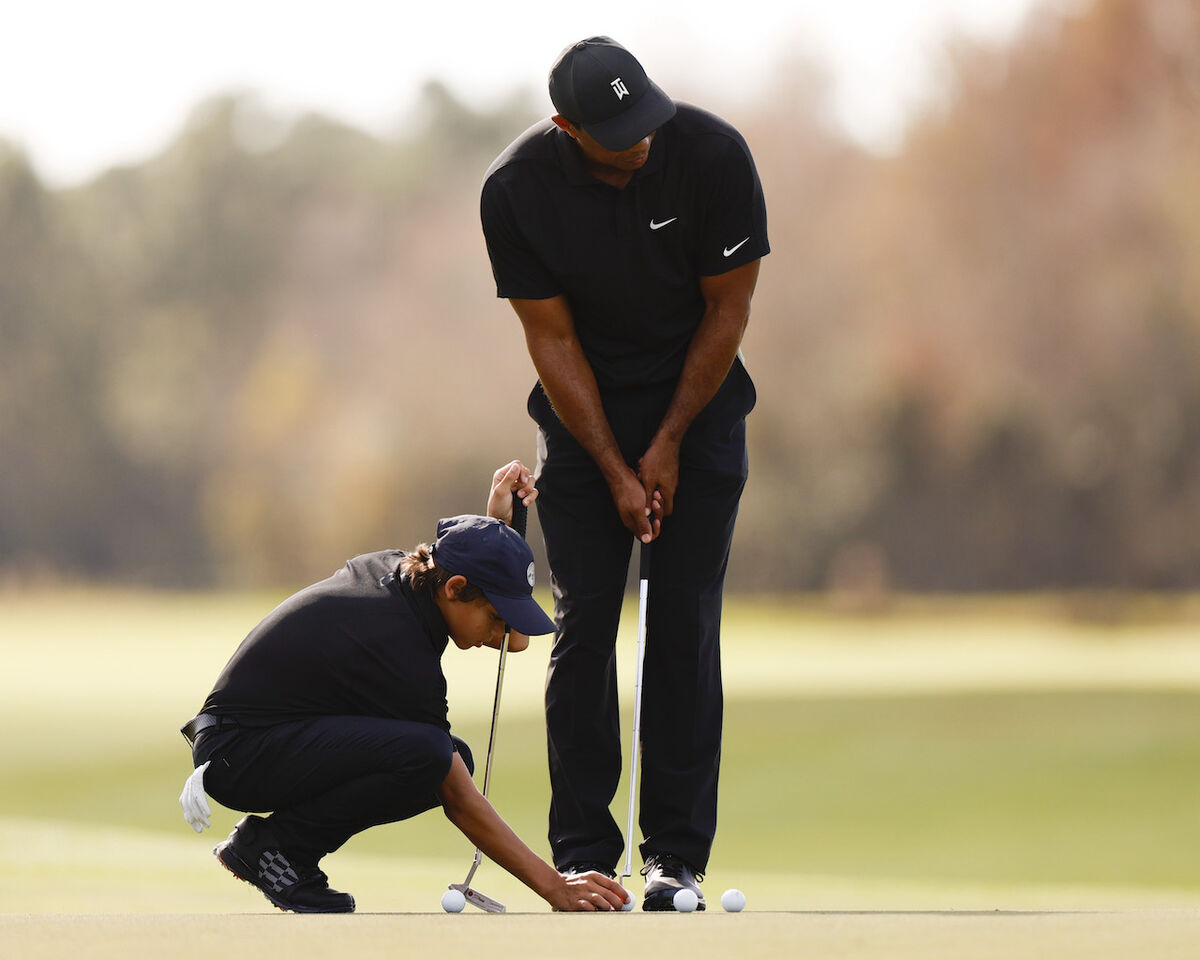
A conventional reverse overlap grip is similar to a conventional golf grip in that your right hand is lower than your left and your left thumb rests in the palm of your right hand. The difference is that your left pinkie finger overlaps your left pointer and middle fingers, instead of interlocking.
Pros
Golfers with an overlap swing grip can easily incorporate the conventional reverse overlap. Without no interlocking element, this grip eliminates some of the wrist action that you want to avoid.
Cons
The conventional reverse overlap helps get rid of some wrist action, but it might not be the answer if that’s your main putting issue. Also, you will find your right-hand grip pressure to be much stronger.
Cross-Handed/Left Hand Low Putting Grip
Another common putting grip is the left-hand low grip. It sounds self-explanatory, but there’s a little more to it. The left-hand low technique works for numerous professionals including Jordan Spieth and Dustin Johnson, and it might be the right stroke for you. It’s a mirror image of a conventional putting grip, with your left hand lower than the right hand on the club, for a right-handed player.
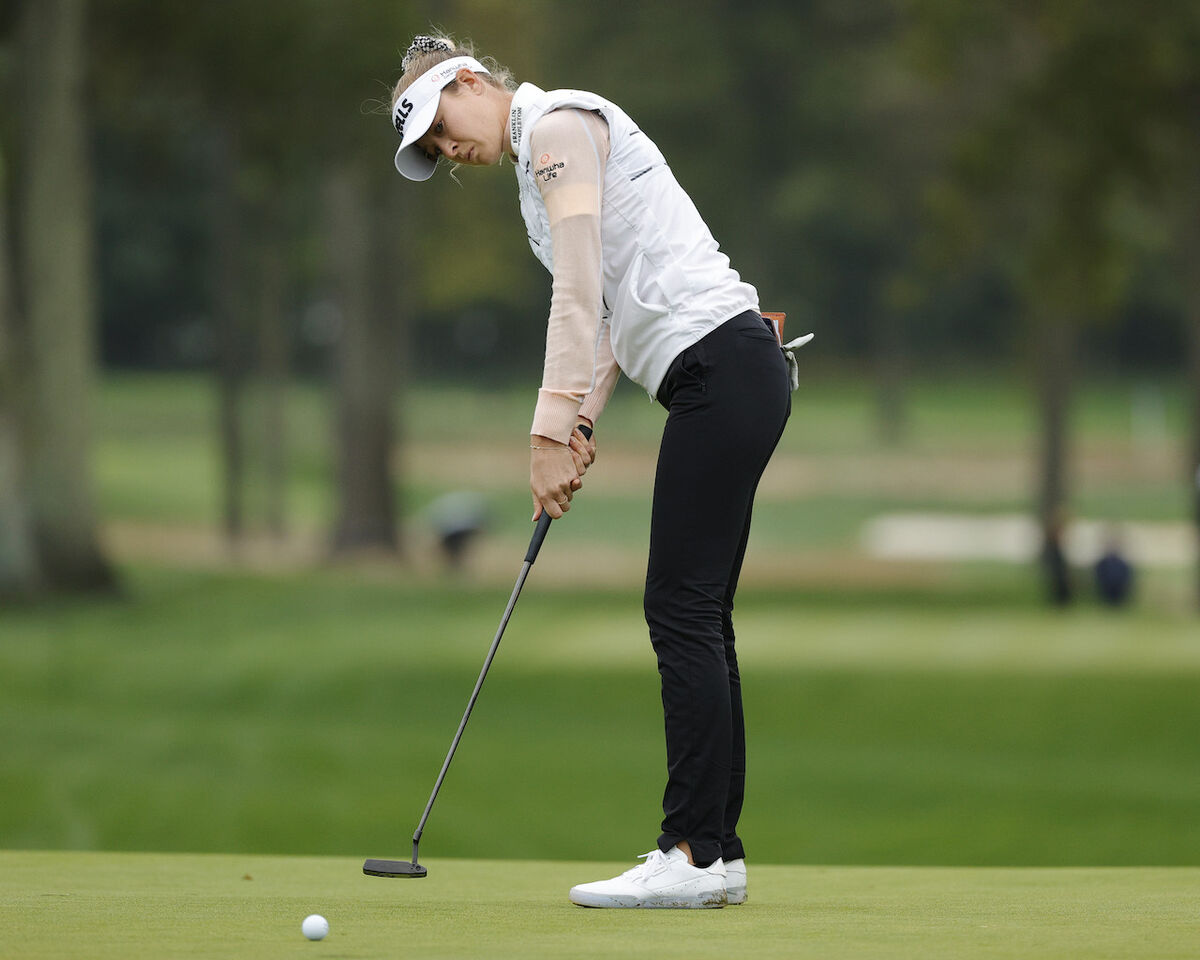
This grip is also known as the cross-handed grip, given that when left-handed golfers employ this method, it's actually the right hand that's low.
Pros
Left-hand low can be a great option for golfers who struggle with distance control because your left-hand guides the stroke from the take back to the follow-through. It also helps get the shoulders level at address and through the stroke.
Cons
Even though it doesn't differ much from a conventional grip, left-hand low takes a long time to get used to. Not only from a feel standpoint but also gaining an understanding of how your stroke will react differently to lag putts and short putts.
Broomstick
In 2016, the USGA banned anchoring putters to your body. The rule was put into place because the governing body felt that having a club anchored to your body gave an unfair advantage in controlling the putter while making a stroke. The broomstick method is still legal, however, but the butt end of the putter can't touch your body.
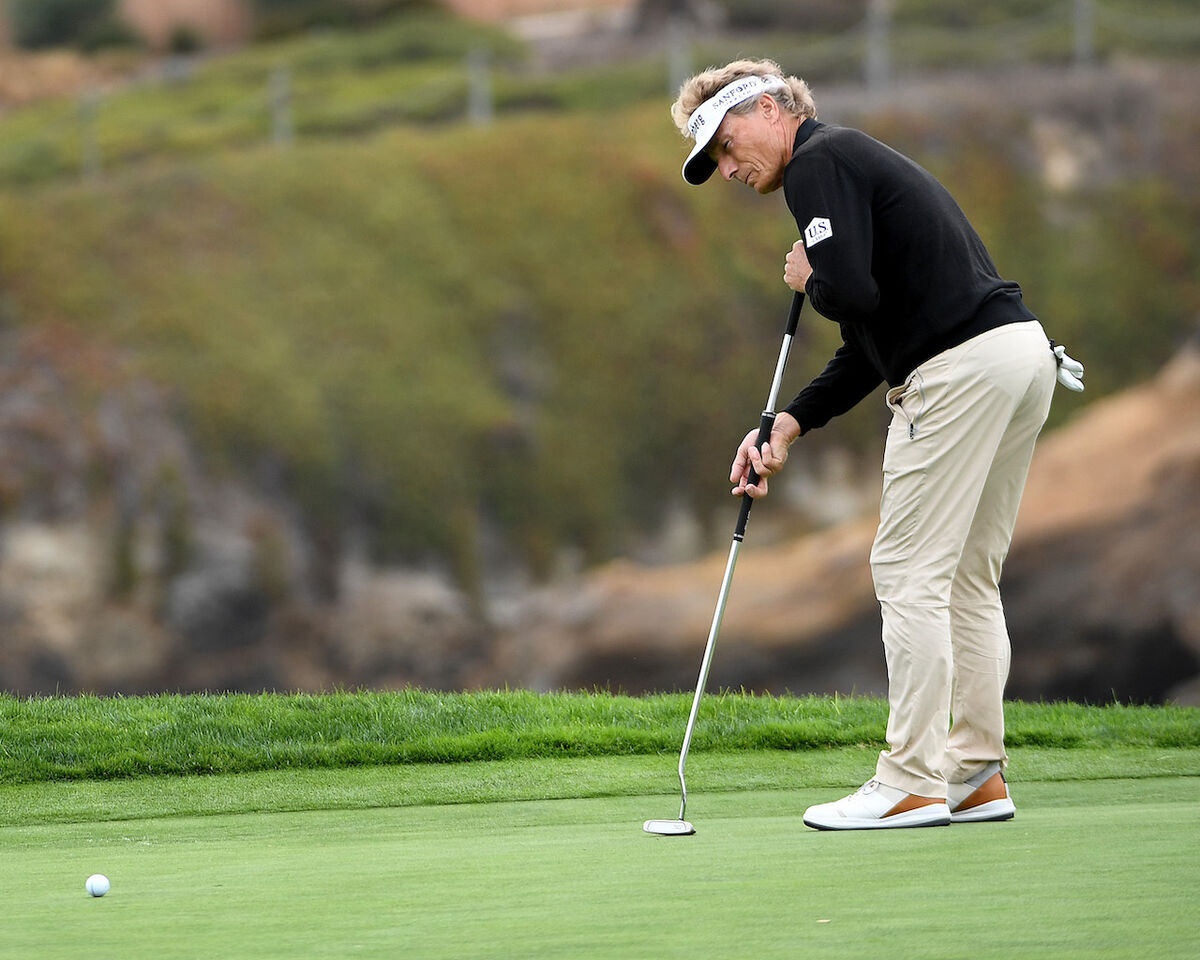
To accomplish this stroke you will need a long putter. Place your dominant hand low on the club, around hip height. Then grip the top of the putter with your other hand. The idea is that you create a sweeping motion by using both hands. The key to compliance is keeping that butt end away from your body, even if it’s only an inch or two. That is how players like Bernhard Langer and Adam Scott have skirted around the anchoring ban without changing putters.
Pros
The broomstick method, when perfected, is meant to feel natural and even flowing. When people find success with it, they tend to use this method for the long haul.
Cons
First, you’ll have to invest in a long putter. Beyond that, this is arguably the most unconventional style of putting so it takes a lot of practice time to get used to holding a long putter, let alone using it successfully.
Arm Lock Putting
The arm lock grip and style of putting boomed when anchoring was banned. It allowed people who anchored the ability to get the additional stability they like while complying with the Rules of Golf.
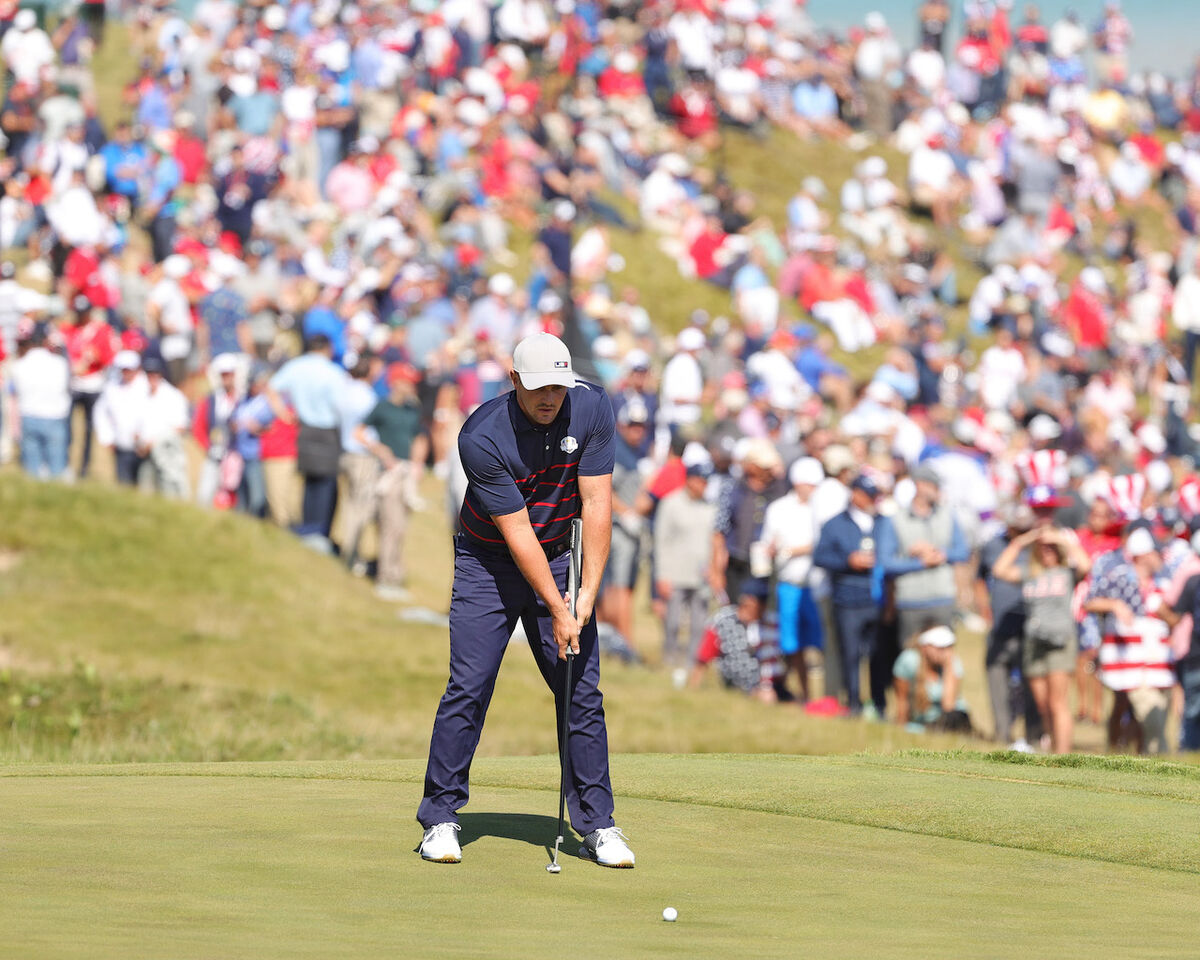
To incorporate an arm lock grip you will need a slightly longer putter, although it doesn’t have to be the length of a broomstick putter. You’ll want to take a conventional reverse overlap grip but with a more open left hand. This will allow the grip to run through your left palm and up your wrist, ultimately pressing against your forearm.
Pros
An armlock grip can deliver stability to those who feel their putting stroke gets away from them.
Cons
Like the broomstick method, you will have to buy a new putter or adjust your current putter for length and loft, as the dramatic forward shaft lean required in this method significantly de-lofts the putter. The arm lock method is also harder to manage distance control, especially in the early going.
The Claw Grip
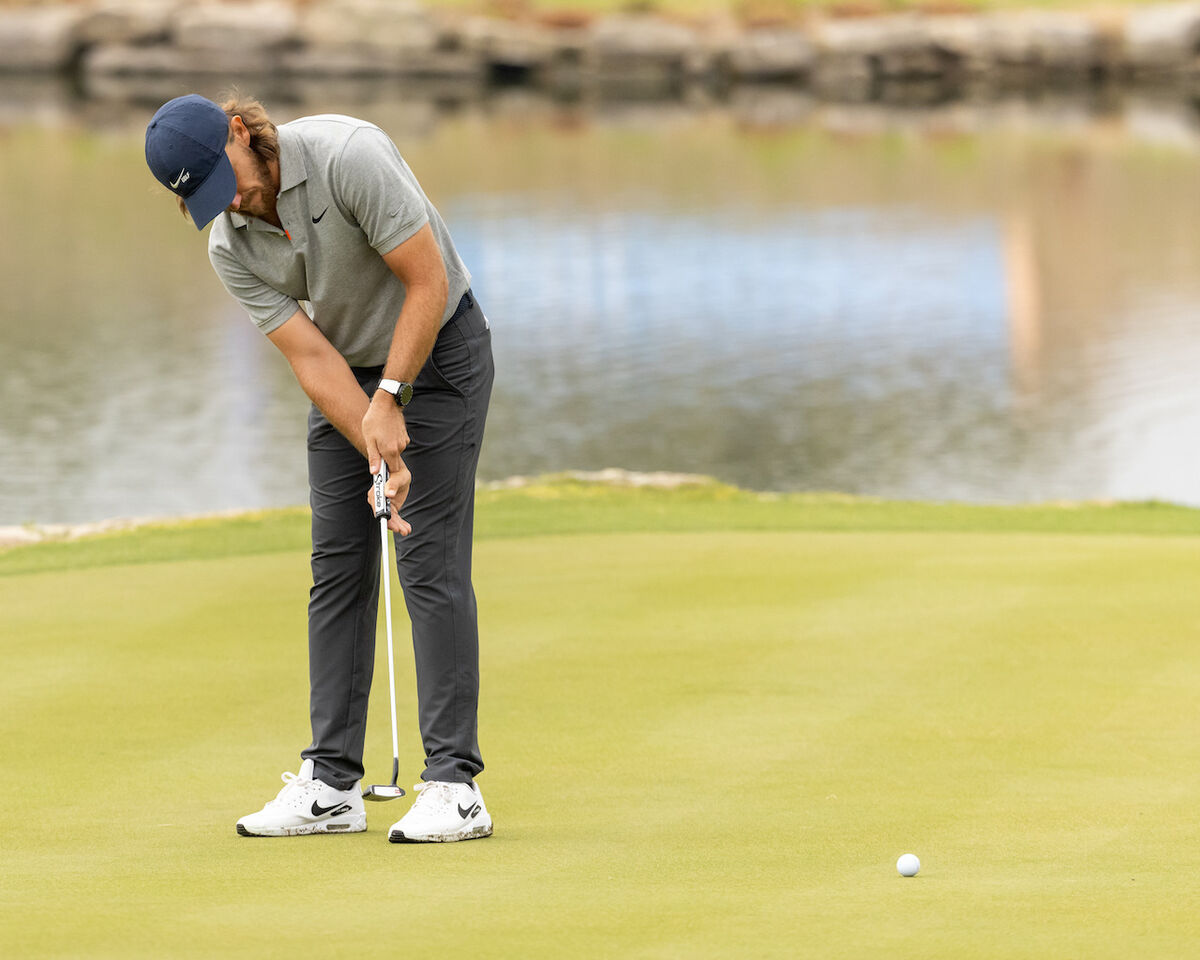
The claw putting grip was once considered very unconventional but has since become more popular on all major tours. With this grip, your left-hand holds the putter in the same way as a convention grip. Your right hand, however, rests against the back of the grip with your pointer finger and thumb basically pinching the grip on either side.
Pros
A claw grip can help people looking to accomplish a straight back, straight through stroke because it eliminates arch from the putting stroke.
Cons
Adversely, people with a lot of arch in their putting stroke will have the hardest time adapting to a claw grip.
The Saw Grip
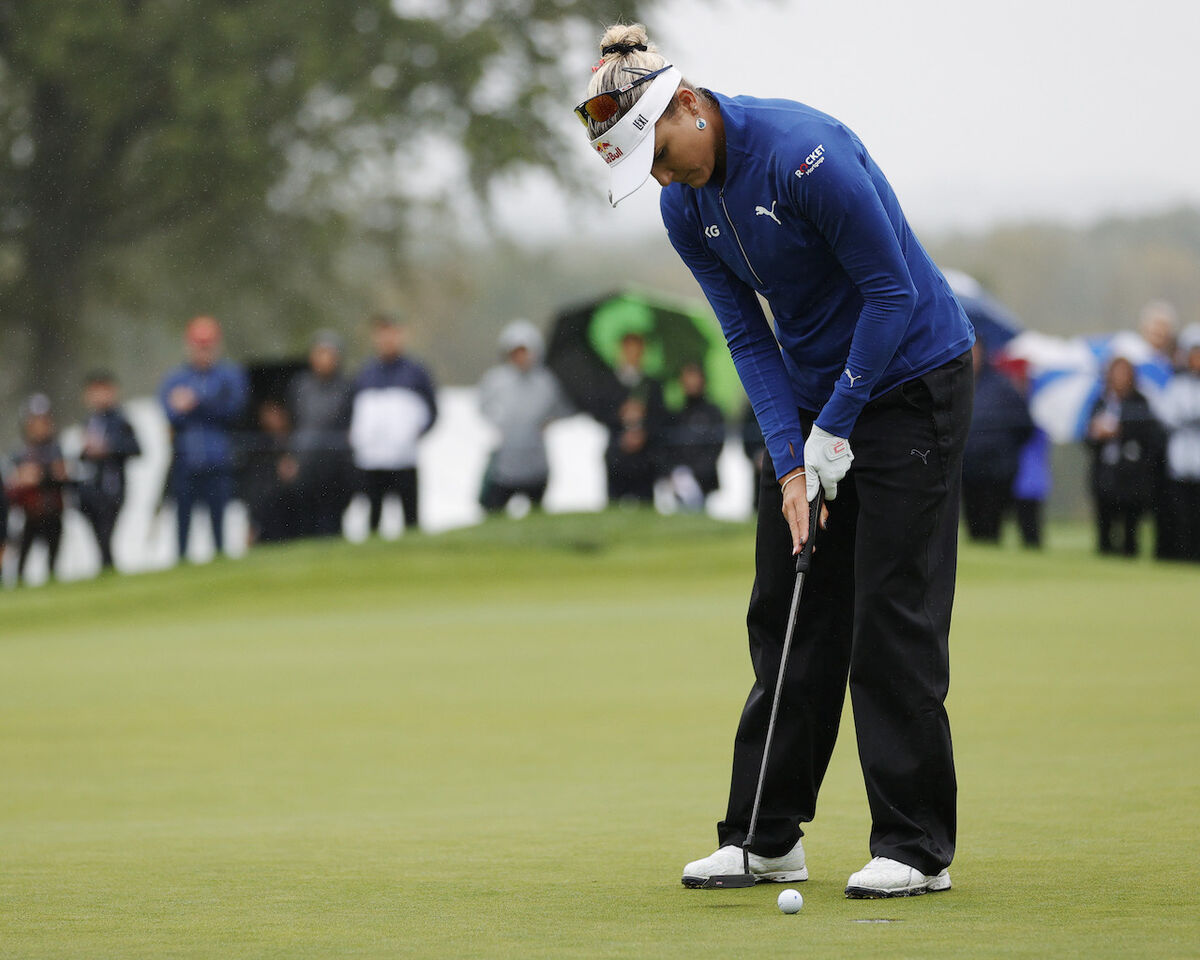
Similar to the claw grip, the saw putting grip has a conventional high left hand. Only the right thumb wraps around the grip of the club, with the other four fingers crossed over the front of the grip. As a visual, if you’re standing in front of someone using the saw grip you will see their right hand laying over the front of the grip and looking like a saw.
Pros
Like the claw, the saw takes a lot of arch out of the putting stroke.
Cons
Also like the claw, golfers that have a slight or high arch stroke will take a while to adapt to this saw method.
The Prayer
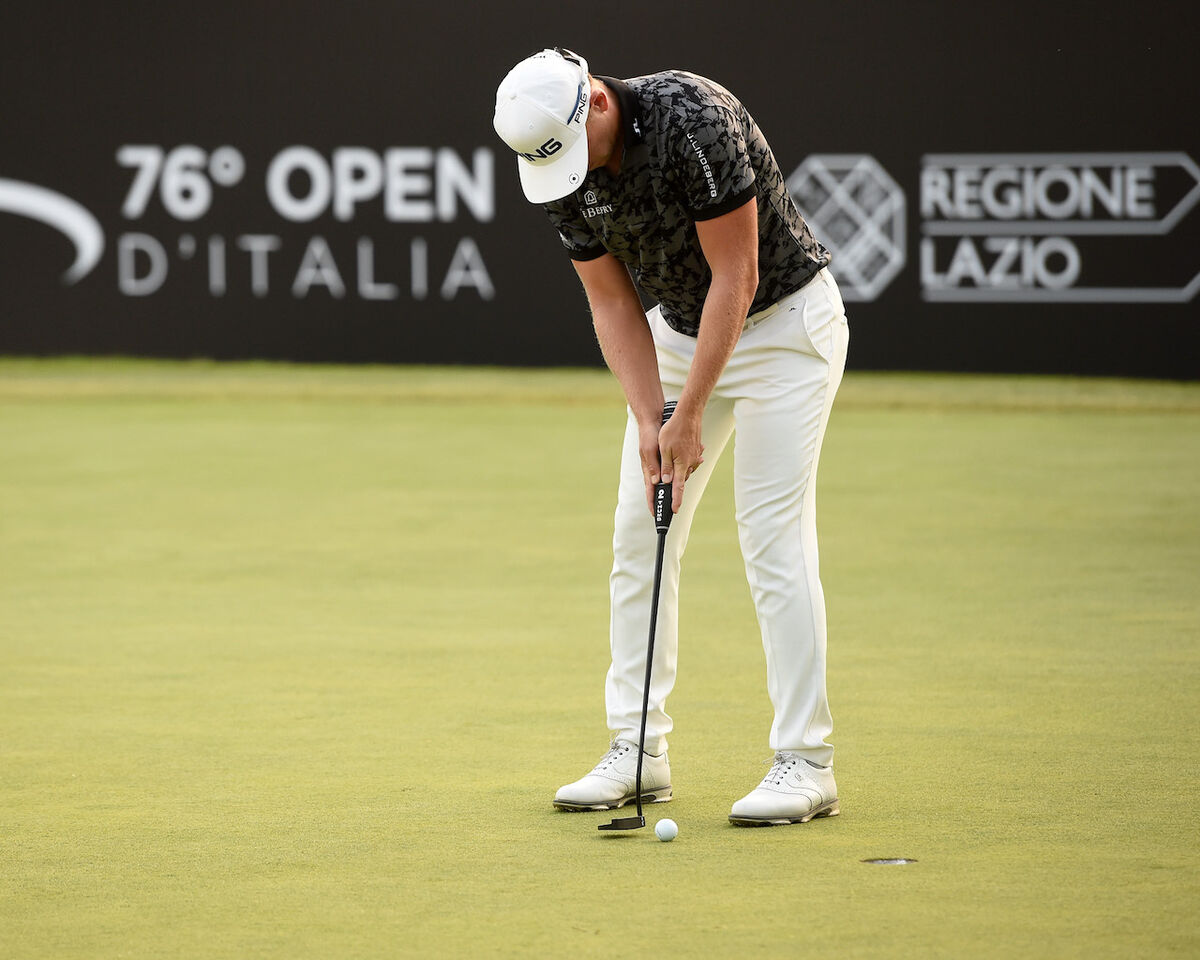
The prayer grip is also known as palm-facing. It involves taking your hands and placing them on either side of the grip at the same height and in the same position, typically with the grip running down both of your palms and into your middle fingers. This grip was originally designed as a practice drill and was adapted for on-course putting.
Pros
The prayer was a drill designed to eliminate hard grip pressure, and that’s exactly what it delivers. This putting grip makes it very difficult to over-apply pressure.
Cons
The prayer is easily adaptable on short putts but it’s not easy to execute lag and long putts with this method.
Professional Putting Changes
It's common for some of the world's best players to switch their putting grip. Here are some notable attempts in recent years, which resulted in varying degrees of success.
Collin Morikawa’s Change-Up
2021 was hardly a down year for Collin Morikawa. He won the British Open (his second major win) and the WGC Workday Championship. He won just over $7 million and helped the United States Ryder Cup team claim victory over Europe.
At the British Open, however, Morikawa was seen using two different putting techniques. He used a saw putting grip on shorter putts and a conventional grip for longer putts. The variation is not often seen within the same round from a player, but clearly, it worked for Morikawa.
Lefty Goes Claw
In 2014, Phil Mickelson switched to a claw putting grip. After winning five of his six majors using a conventional grip, Mickelson made the switch and still uses it today. In fact, Mickelson won the 2021 PGA Championship using the claw grip.
Rory Goes Low
In 2016, Rory McIlroy was searching for some help on the greens and adopted a left-hand low putting grip in lieu of his conventional grip. It was short-lived, as McIlroy went back to conventional after a few months. The left-hand low grip has been successful for Jordan Spieth, however.
Conclusion
Any of the putting grips laid out in this article are worth trying if you’re looking to cut down your score. Too often, amateur golfers head to the nearest golf retailer to try to solve their issues with a new putter, but sometimes the new look that you need lies within your hands.