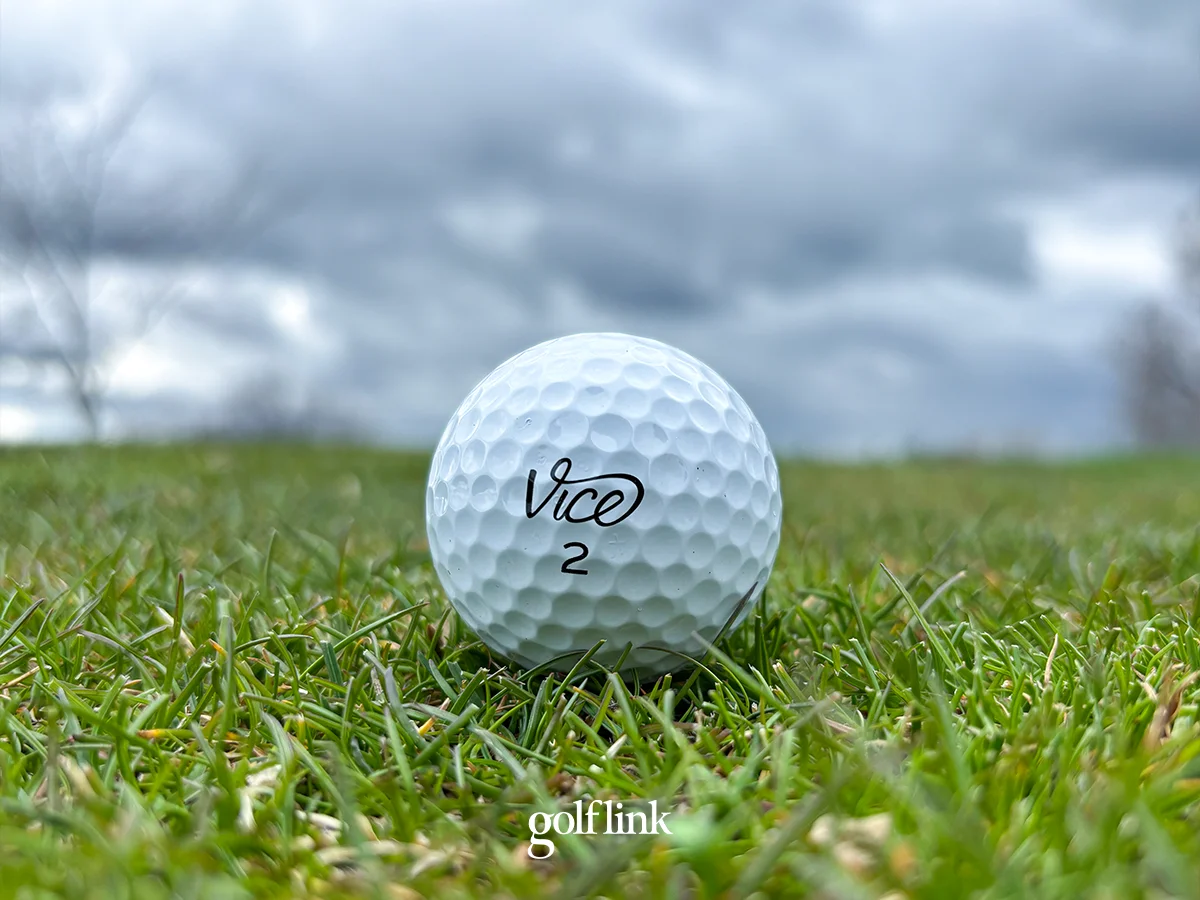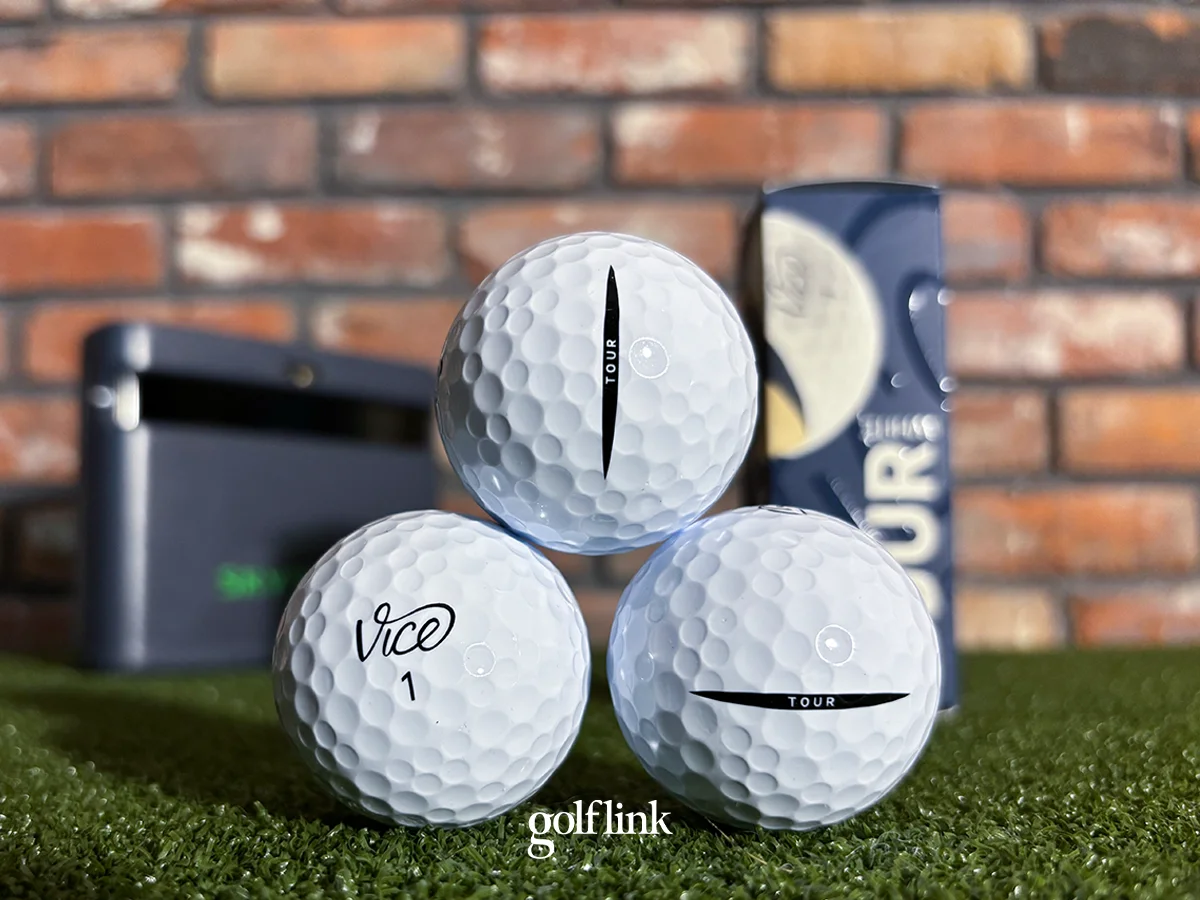
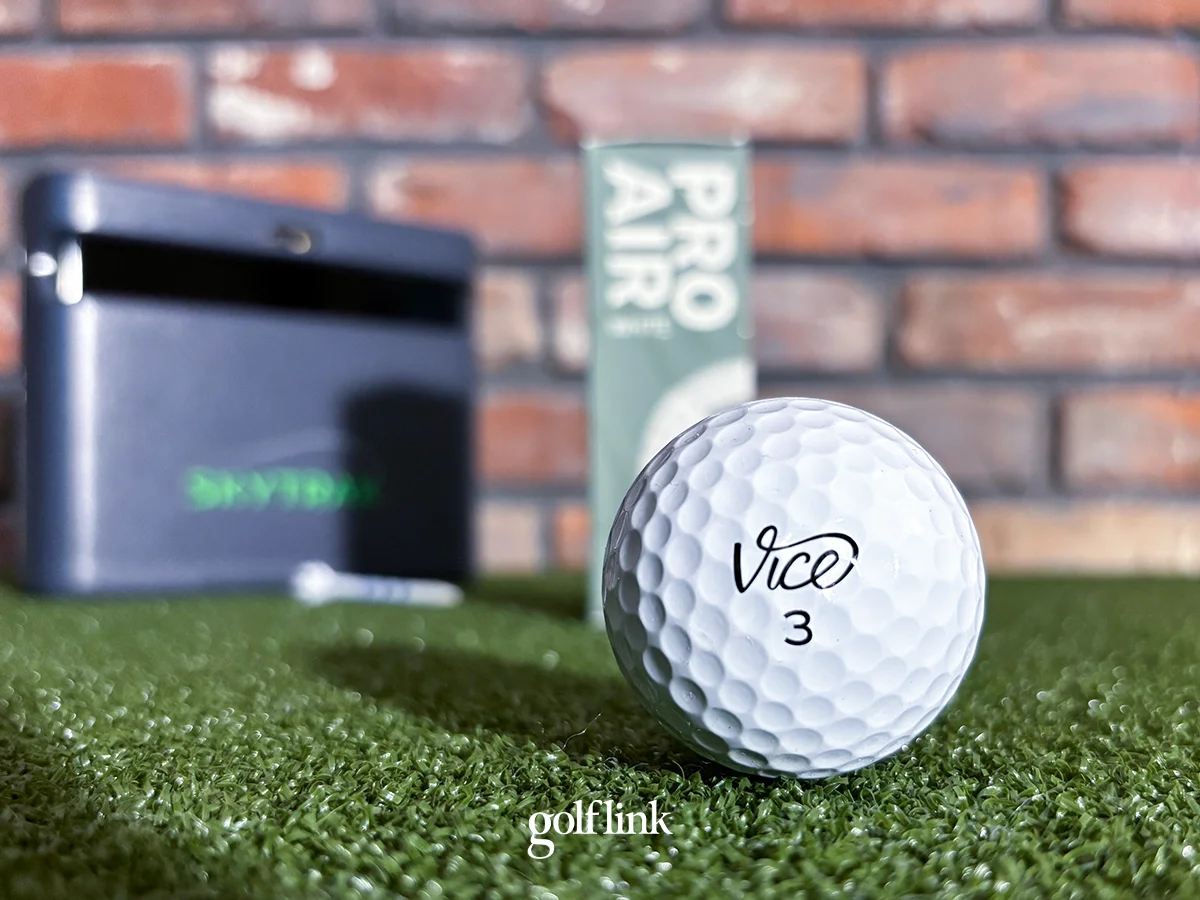
Vice Golf has built a loyal following by offering premium urethane balls at prices that undercut the legacy brands. The Vice Pro lineup is the heart of that offering, delivering three tour-caliber, urethane-covered options for almost $25 less than the top-shelf alternatives.
The Vice Pro Air is the softer-feel ball of the lineup, designed for players who want a different feel than the standard Pro.
The question is whether the Air profile fits your game better than its siblings. Here's what our test says.
How We Tested Vice Pro Air
We put the Vice Pro Air through our published golf ball testing protocols using the SkyTrak ST Max launch monitor. That means human swings under strict bands for swing speed, impact quality, and delivery dynamics.
To see performance from tee to green, we test driver, 7-iron, and 50-yard wedge shots with each ball.
We tested 43 golf balls in total for 2026 then translated the raw data into 1-10 scores in the categories that matter most to your game. That lets you easily see how each ball stacks up to the field.
See the complete list of every golf ball we've tested or dive into the full Vice Pro Air test data here.
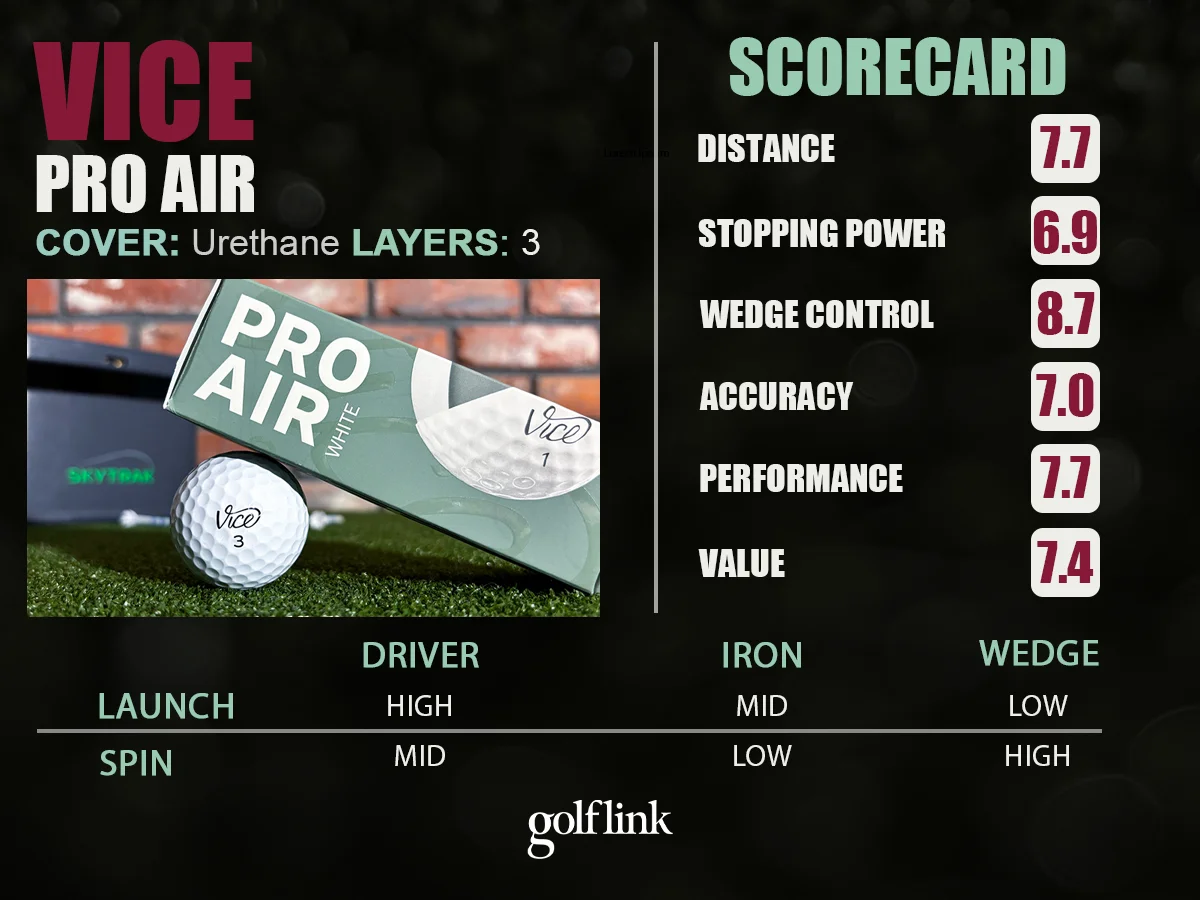
Cover: Urethane
Layers: 3 Layers
Price: $39/dozen ($34/dozen bulk, 6 dozen minimum)
Vice Pro Air is the softest ball in Vice's urethane lineup, producing a mid-spin, high-launch driver paired with low iron spin and high wedge spin. That profile produces reasonable distance off the tee, some roll out on iron shots, and solid short game performance from 50 yards and in.
The natural comparison within the Vice lineup is the Pro, which costs the same $34 in bulk. Vice lists Pro Air’s compression at 75, and the Pro’s compression listed at 90. Both are 3-piece, urethane balls, but Pro Air is a little softer.
In our test, performance between the two didn’t vary a ton. The difference according to our data is that Pro Air trades Pro's elite accuracy (tied 1st in our test) for softer feel.
If you hit it straight already and want a softer feel, Pro Air makes a case as a strong alternative. If you need help with accuracy or have a faster swing speed, Vice Pro is the better choice.
| Vice Pro Air | Spin | Launch |
| Driver | Mid | High |
| 7-Iron | Low | Mid |
| 50-Yard Shot | High | Low |
Distance: 7.7/10
Vice Pro Air posted 136.9 mph of ball speed and 241.8 yards of total distance in our driver test conducted at mid-90s swing speeds. That was strong enough to finish 22nd in total distance out of 43 balls. The mid-spin, high-launch driver profile produces a climbing ball flight that maximizes hang time, which is a solid formula for carry distance at our test speeds.
It's not a distance ball by design. Players who naturally generate low spin may see distance numbers improve, but overall, the distance total is about one foot longer than the average of our 43-ball field.
| Category | Vice Pro Air |
| Ball Speed | 136.9 MPH |
| Carry (yds) | 221.9 |
| Total (yds) | 241.8 |
| Distance Score | 7.7 |
Stopping Power: 6.9/10
Low iron spin is the signature of the Air profile, and stopping power is where it shows up most clearly. At 3,903 RPM of 7-iron spin — one of the lowest of our test — and 12.3 yards of roll, Pro Air finished 30th in stopping power. A 40.3-degree descent angle is on the shallower side, which is why Pro Air releases more than most of its competition in the urethane category.
If you play courses where releasing the ball and extra roll is part of your strategy, that isn't a problem. It becomes a problem when you're trying to hold tight pins from 170 yards.
| Category | Vice Pro Air |
| Apex (yds) | 24.0 |
| Descent Angle | 40.3° |
| Roll (yds) | 12.3 |
| Stopping Power Score | 6.9 |
Wedge Control: 8.7/10
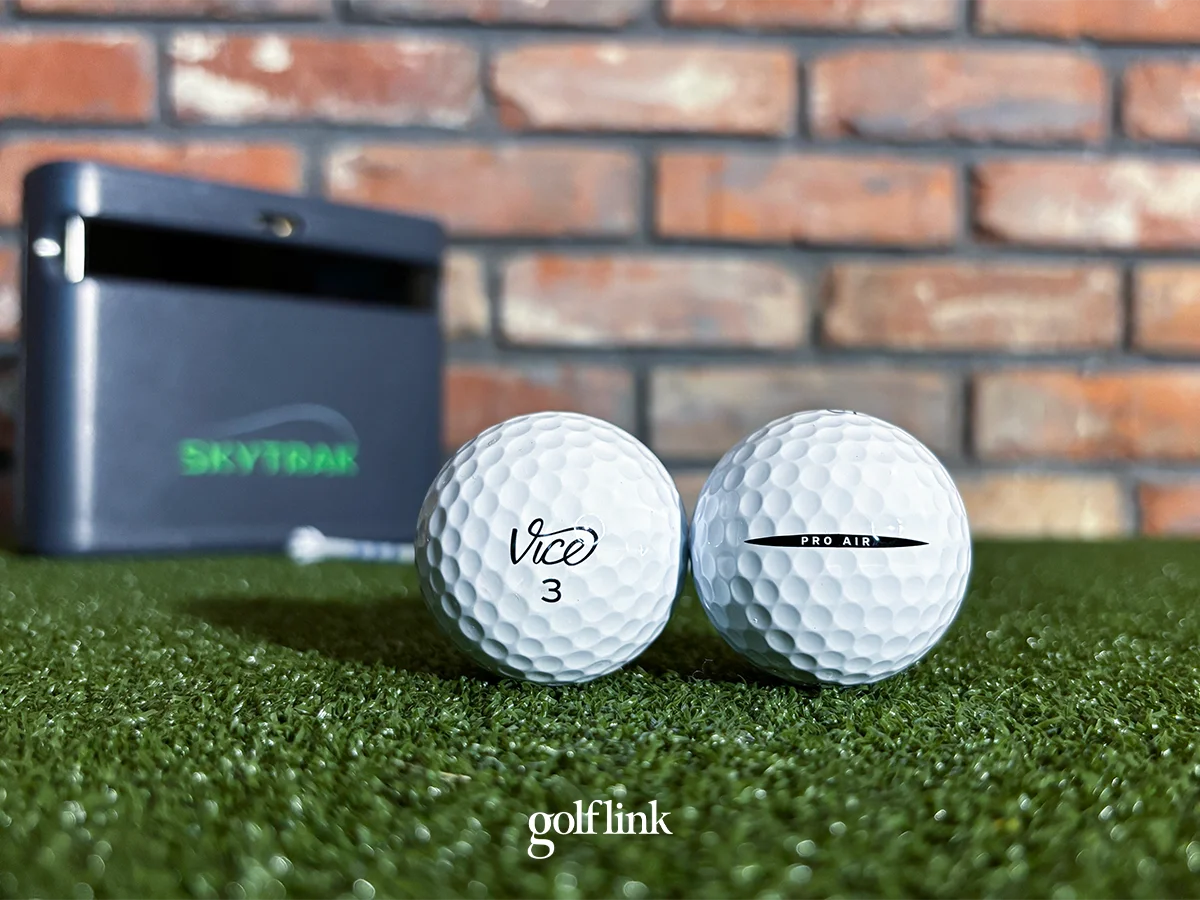
Pro Air showed a high-spin wedge profile, producing 7,096 RPM of spin in our 50 yard wedge test. That’s one of the best wedge spin numbers of any 3-piece urethane ball in our test. The rollout of just 2.4 yards is clean, giving you full control around the greens.
For what Vice Pro Air gives up in stopping power in the iron game, it recovers in short game performance from inside 50 yards. For many players, that's a reasonable tradeoff.
| Category | Vice Pro Air |
| 50-Yard Spin (RPM) | 7,096 |
| 50-Yard Launch | 31.0° |
| Wedge Control Score | 8.7 |
Accuracy: 7.0/10
Pro Air landed 32nd in accuracy — below average in our field. Its 231 RPM of driver sidespin and 8.0 yards offline are higher than we'd expect from a mid-spin ball. The iron accuracy was better: 111 RPM of sidespin and 4.7 yards offline is respectable. If you’re going to give up stopping power with a low-spin profile from the approach game, you’d hope for tighter dispersion in exchange. Our data indicates that with Pro Air, you do.
For a lot of the mid-handicap players considering playing Vice Pro Air, hitting it closer to the target line is more important than stopping power. It’s easier to recover from the extra six feet of rollout compared to our field average than it is from missing right or left.
| Category | Vice Pro Air |
| Driver Sidespin (RPM) | 231.0 |
| Driver Offline (yds) | 8.0 |
| 7-Iron Sidespin (RPM) | 110.7 |
| 7-Iron Offline (yds) | 4.7 |
| Accuracy Score | 7.0 |
Value: 7.4/10
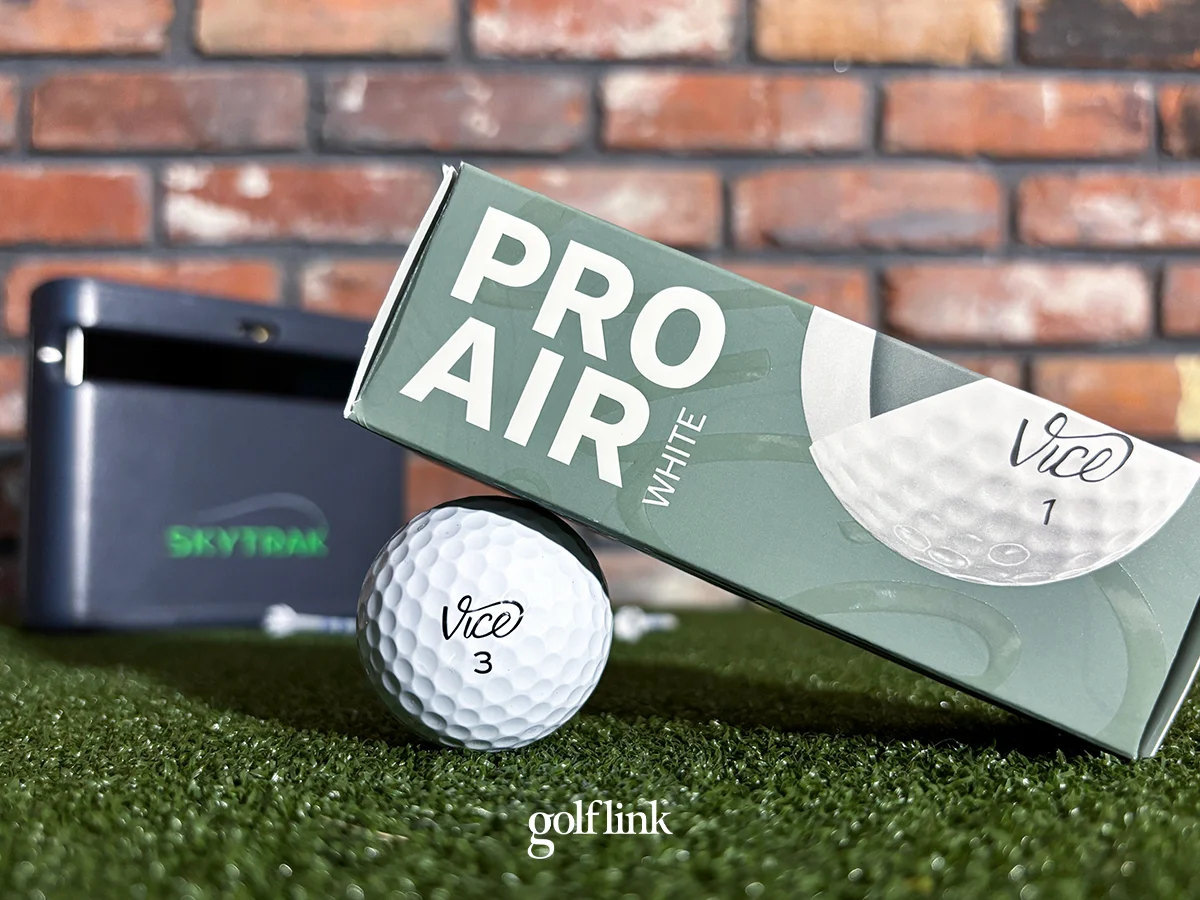
At $34 a dozen in bulk, Vice Pro Air is priced identically to the standard Vice Pro. That makes the value comparison between the two unavoidable: Vice Pro finished 8th in overall performance in our test; Pro Air finished 22nd. The Pro scored higher in every category except wedge control, where they're essentially tied.
The case for Pro Air rests on whether you want the softer feel. If so, $34 is an attractive price for a urethane ball with good wedge control.
Who is Vice Pro Air For?
Vice Pro Air is for the player who values a softer-feeling urethane ball and prioritizes greenside control and feel. It's built for players who are willing to accept the stopping power tradeoff that comes with it.
If you’re shopping for a urethane-covered ball, want soft feel and don’t need it to stop on a dime, Vice Pro Air delivers the feel you want with strong wedge control and competitive distance. At $34 in bulk, it’s a serious contender.