L.A.B vs. PXG: Which Zero Torque Putter Actually Wins?
We tested one of the most popular zero torque putters against one of its most affordable rivals
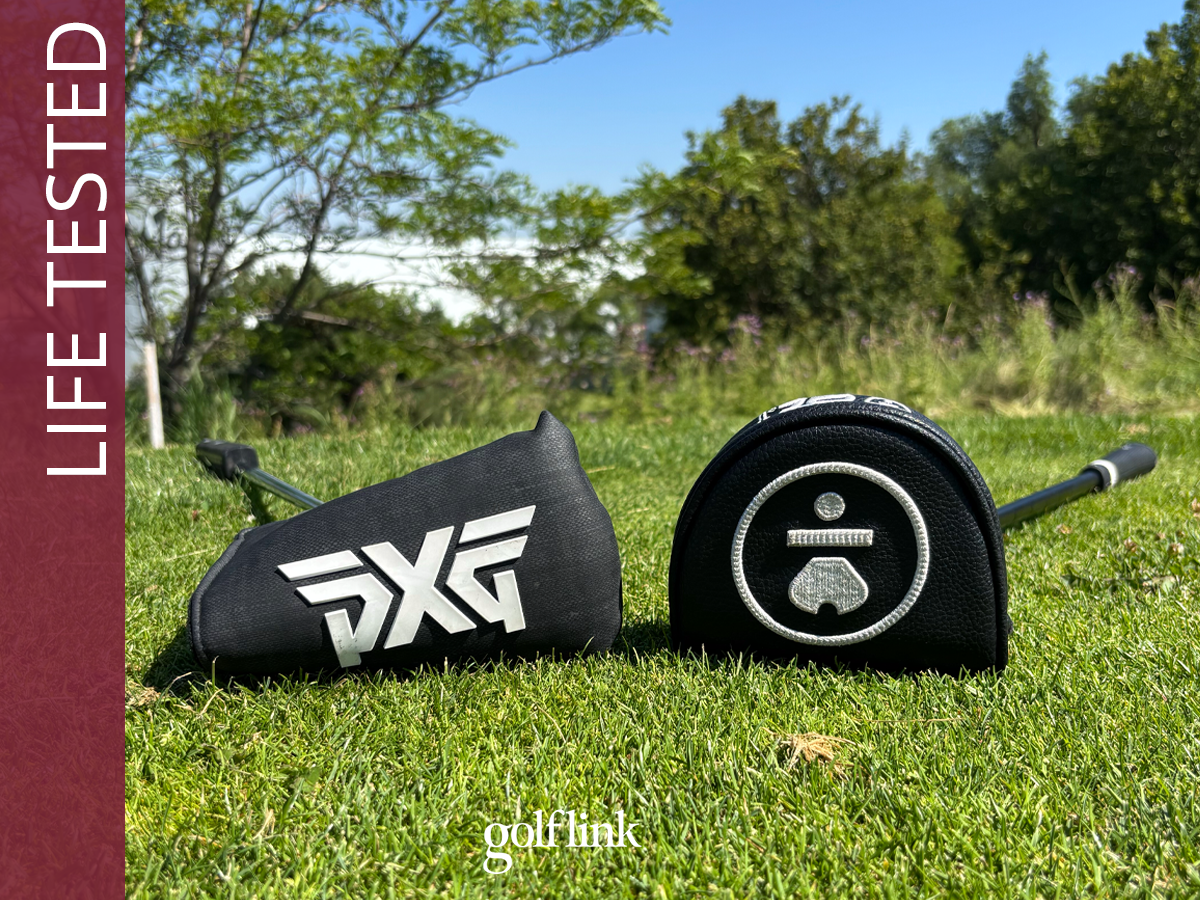
We put the L.A.B OZ.1 and PXG Hellcat Zero Torque putters head to head
As little as a year ago deciding which zero torque putter you wanted was almost laughable. Way back then, the question was should you convert to the zero torque craze – and likely invest in a L.A.B putter – or stick with ole reliable.
Oh how things have changed.
Not only is almost everyone making a zero torque putter these days, but affordable zero torque putters are starting to hit the market.
The best example of that is the PXG Hellcat, a blade-style zero torque putter that checks in at a cool $249 and just launched in July of 2025.
I’ve been gaming a L.A.B putter, the OZ.1, all year, but couldn’t pass up the chance to put it head-to-head against the PXG Hellcat to see which zero torque putter reigns supreme.
L.A.B vs. PXG: which zero torque putter wins? Here’s your answer.
Methodology: Testing L.A.B vs. PXG Zero Torque Putters
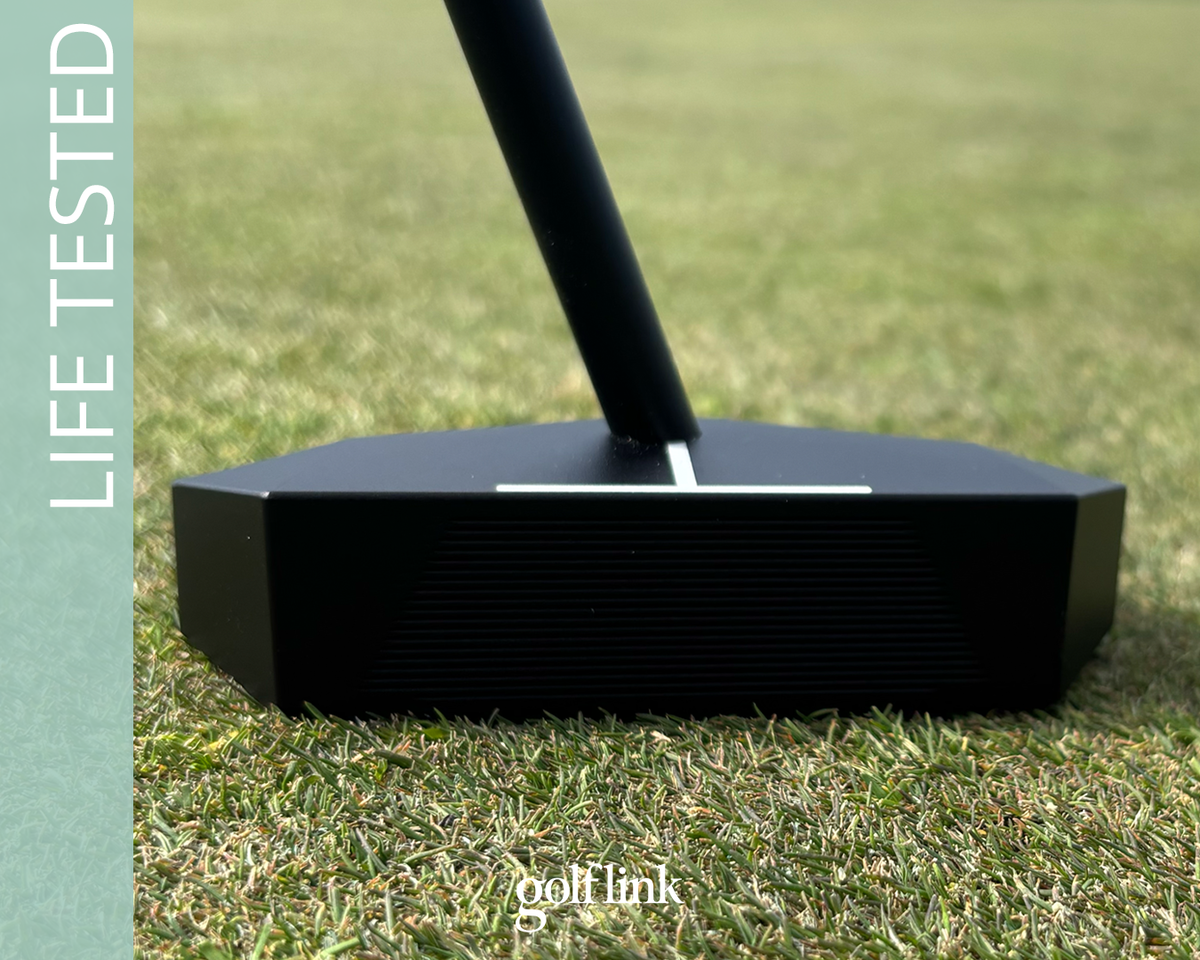
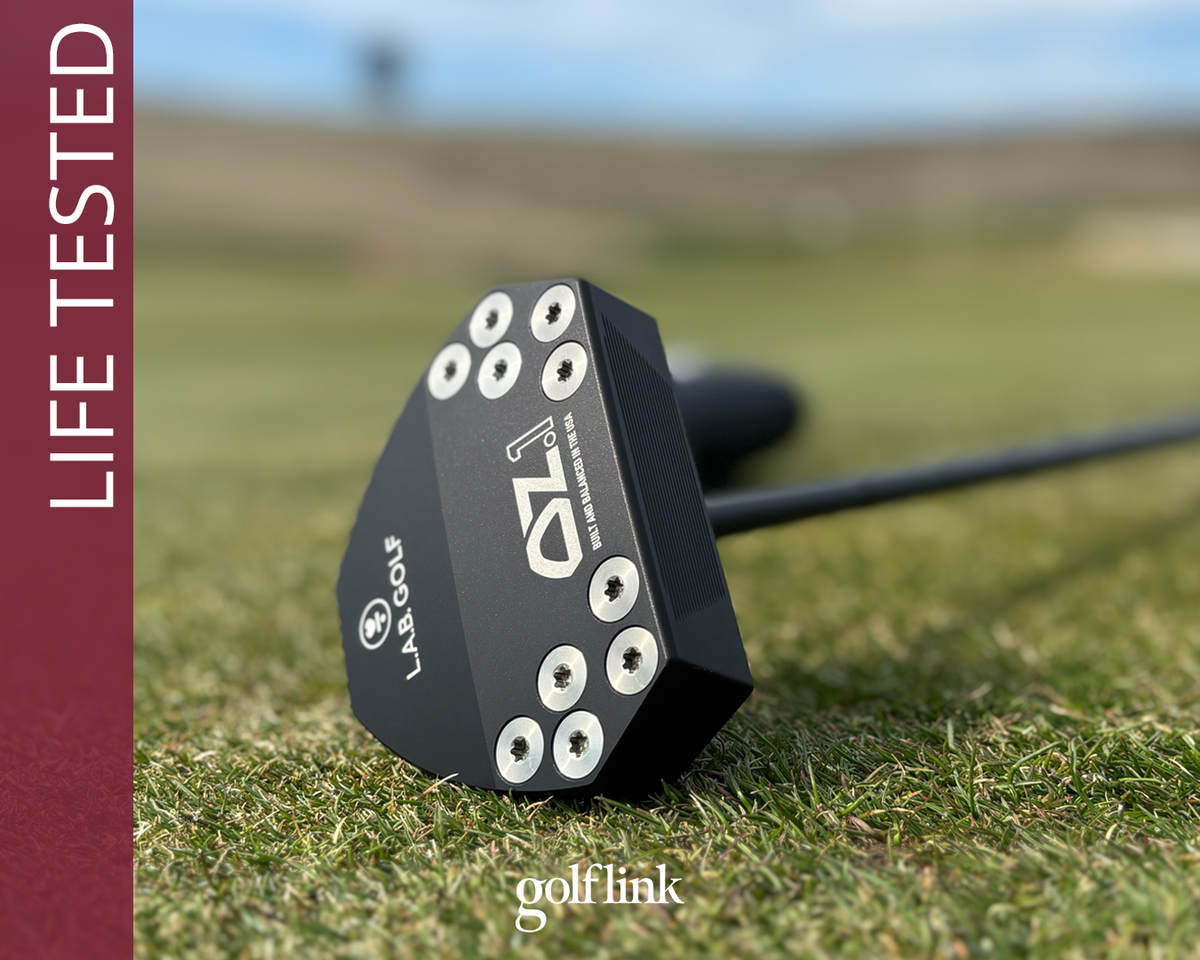
Face on view of the L.A.B OZ.1 putter during GolfLink testing
To test the L.A.B OZ.1 putter against the PXG Hellcat, I put them each through two 18-hole simulations on the practice green. With prescribed starting distances from 4 to 24 feet, I holed out with each putter and recorded the score.
This was a single-golfer test conducted in a controlled environment. Results are anecdotal but informative.
I went through the same simulation with each putter twice, alternating between putters after each 18-hole simulation to offset streakiness or fatigue.
I did all of this testing to one hole on the practice green at my home course, and there was minimal break to this hole location. Between knowing the line of putts from all angles, and playing minimal break, I reduced the impact of misreads during this test, which puts more emphasis on each putter’s ability to help me hit the proper start line, since that’s what zero torque putters are designed to do.
That also cut down the number of putts needed in each 18-hole simulation. Since this simulation puts more emphasis on short and mid-range putts than long lag putts, it shouldn’t be considered an apples-to-apples comparison to what you’d expect on the course.
I used Shot Scope data to compare the results to the expected score of a 10 HCP player, and all strokes gained values are compared to a 10 HCP.
It’s important to understand that a deep dive into the head-to-head performance results simply illustrate how I performed with each putter on a given day. You can learn a lot about how to expect each putter to perform based off this test, but every individual will perform differently.
Stats Don't Lie: Here's How Much LAB OZ.1 Helped My Putting
L.A.B vs. PXG: Performance Results
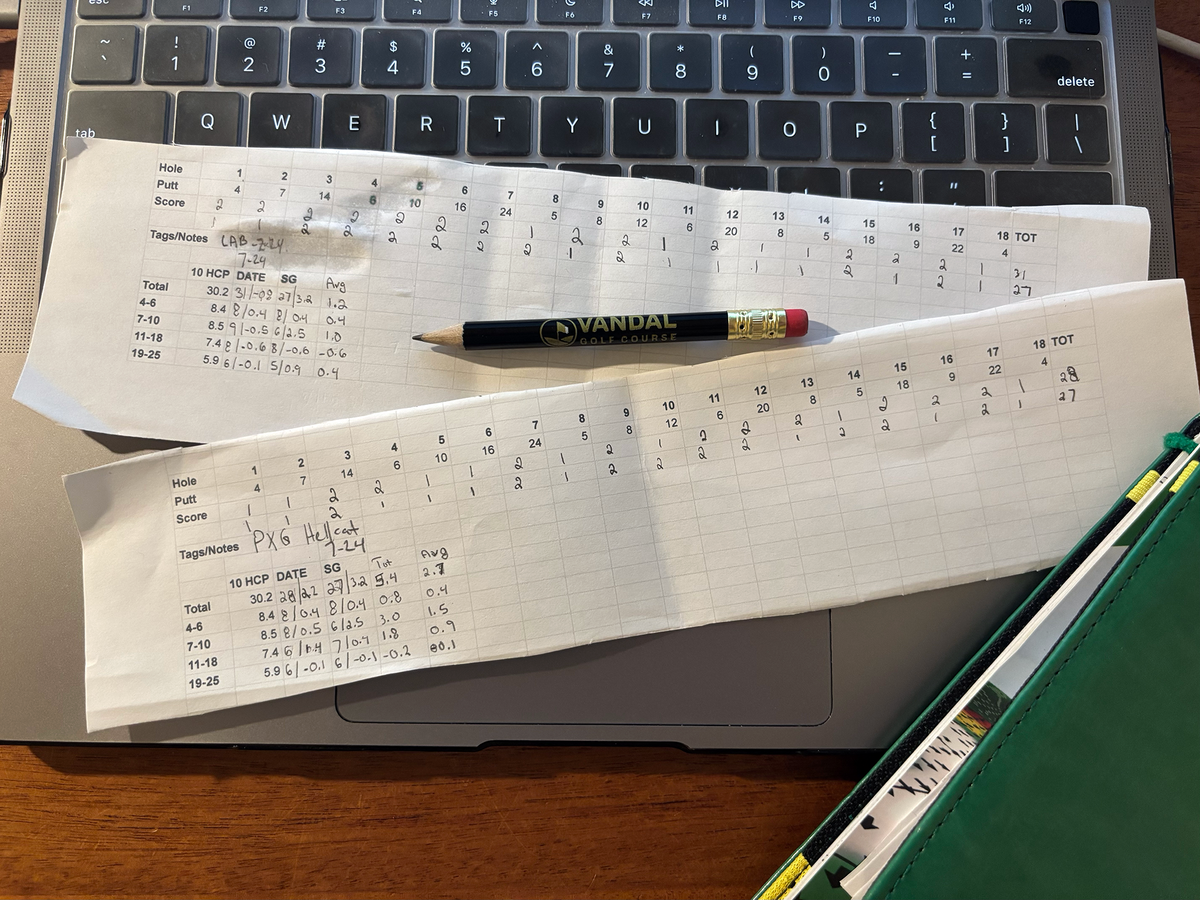
Here's the L.A.B vs. PXG scorecards from our head-to-head comparison
I completed this 36-hole simulation in three fewer strokes with the PXG Hellcat than I did with my L.A.B OZ.1 putter. I drew two immediate conclusions from the test.
First, that difference is not enough for me to replace the OZ.1 in my bag with the Hellcat. Yes, I performed slightly better with the Hellcat in this test, but they were neck-and-neck and I’ll bet if I did this test 50 more times, there would be a pretty even split.
In fact, I finished the second round of simulations in just 27 putts with both putters, so it’s fair to conclude there could have been a warm-up period that the L.A.B (the first putter up in the testing) took the brunt of.
Regardless, both putters performed great. Even though they look quite different from one another (more on that soon), I really enjoy having each in my hands.
My second conclusion is, if I had to buy one of these putters tomorrow, with my own money, it would be an easy decision to buy the Hellcat. It’s beautiful (my opinion but you won’t change my mind), easy to use, and oh by the way costs about half as much as you can expect to pay for a stock L.A.B putter.
Is a L.A.B putter worth the steep asking price? You bet it is, if it’s within your budget. I have two kids in daycare and don’t have the appetite to drop $500-plus on any golf club, and now golfers don’t have to make that choice for a great zero torque putter.
Here’s a more detailed look at the results from my testing, including average strokes gained vs. at 10 HCP player and average total putts.
|
PXG |
L.A.B |
|
|
SG: Total (vs. 10 HCP) |
2.7 |
1.2 |
|
SG: 4-6 feet |
0.4 |
0.4 |
|
SG: 7-10 feet |
1.5 |
1.0 |
|
SG: 11-18 feet |
0.9 |
-0.6 |
|
SG: 19-25 feet |
-0.1 |
0.4 |
|
Avg. Putts |
27.5 |
29 |
Over the course of the 72-hole test, just one total stroke separated the L.A.B OZ.1 and PXG Hellcat inside of 10 feet. I holed two 16-footers with the Hellcat that each took me two putts with the L.A.B, which ended up tilting the scales in favor of the Hellcat more than anything else.
Both putters produced similar ball speeds, so I had no issue with distance control switching back and forth between the two, and was quite comfortable with distance throughout the 72-hole test.
Small differences in strokes gained by distance aren’t hugely meaningful. Let’s focus on the big picture: both putters performed great, and you if you want a $249 zero torque putter, you can proceed with confidence.
This small, one-person test proved more that the putters perform comparably than one is better than the other. However, there is a lot more to consider when buying a putter than on-course performance. Let’s see how they compare everywhere else.
Design & Quality
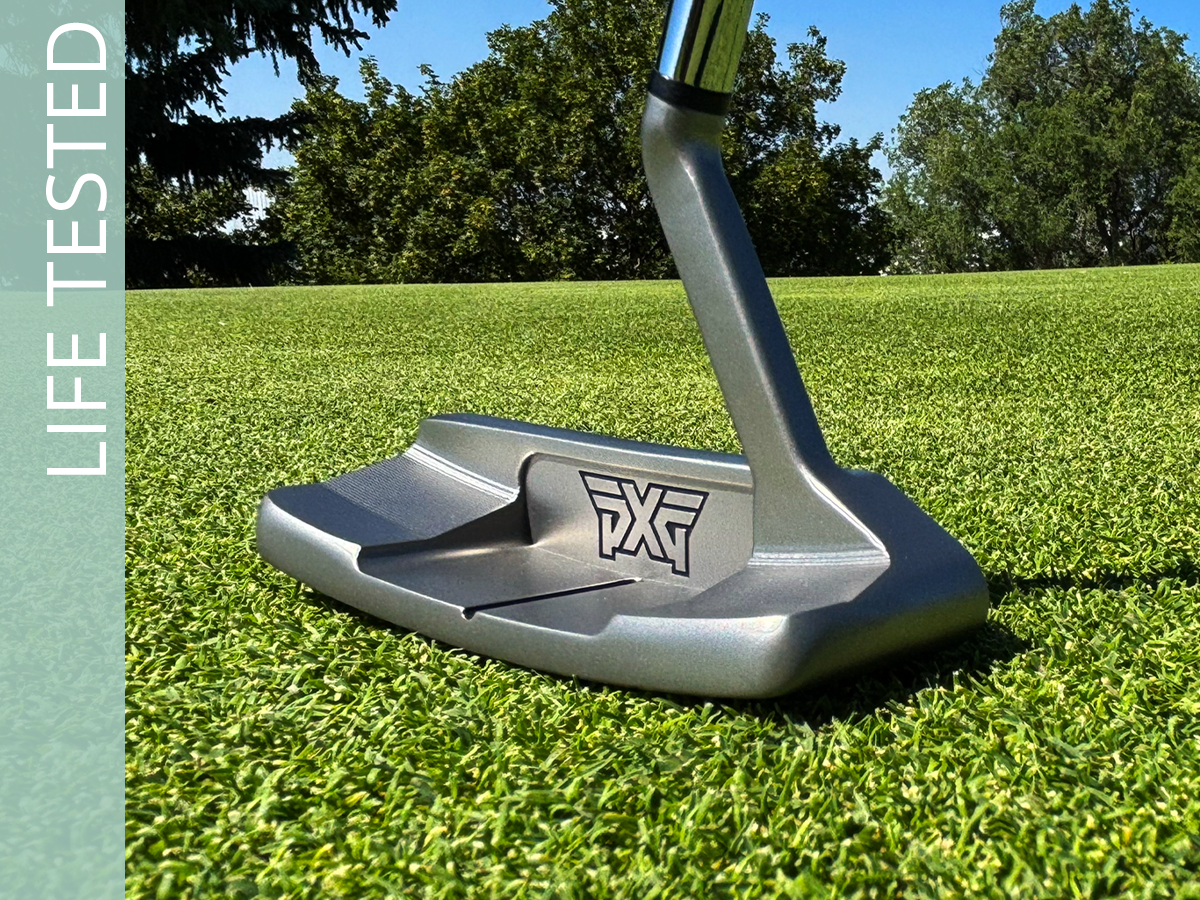
PXG Hellcat ZT putter during GolfLink testing
A big reason L.A.B putters cost so much is because of the way they’re built. Each putter is hand balanced by a human being here in the United States. And that’s not done by just anyone, they’re balanced by expert club builders.
That’s a labor-intensive process that L.A.B isn’t willing to compromise on, and it’s the not-so-secret sauce that gives L.A.B, and the golfers who rely on their putters, unshakable confidence in the finished product.
PXG putters are mass produced. It’s less labor intensive and those savings, at least in their latest iteration, are passed along to you (PXG’s first two zero torque putters are priced similarly to L.A.B putters).
In this sense, these are two completely different products and in my opinion, it gives consumers two fantastic options. I’m not measuring torque in any putter or fact-checking whether or not a putter that claims to be zero torque is in fact zero torque. I’m just testing them.
If you want a putter that is designed, built, and hand-balanced to perfection, then my guess is you’re going to end up with a L.A.B in your bag sooner or later. If you want a putter that’s designed to be zero or low torque, performs great, costs much less, but is not hand balanced, you can get a great putter with (relatively) minimal investment.
I mentioned earlier that I’m not pulling the OZ.1 out of my bag despite putting slightly better with the Hellcat. But don’t take that as a knock against the Hellcat. My verdict is that it’s a great putter, and I’d have complete confidence with it if and when the day comes that it gets the starting nod.
PXG Hellcat ZT Review: The Zero Torque Putter for the Masses
Customization Options
If you are particular about your putter specs – and many players are – the range of customization options may sway you. L.A.B putters are essentially fully customizable. PXG offers some build tweaks, but not on the same scale.
Here’s a quick breakdown.
L.A.B customization options:
- Head color
- Counterbalanced option
- Head weight
- Shaft (six options)
- Length
- Shaft lean
- Lie angle (63-79.5°)
- Alignment mark (countless combinations)
- Grip (7 options)
PXG customization options:
- Loft (up or down 2°)
- Lie angle (up or down 2°)
- Shaft (standard or PXG M16 in black or chrome for additional $99)
- Length (33 to 38 inches)
- Grip (six options)
L.A.B OZ.1 vs. PXG Hellcat: Price & Value
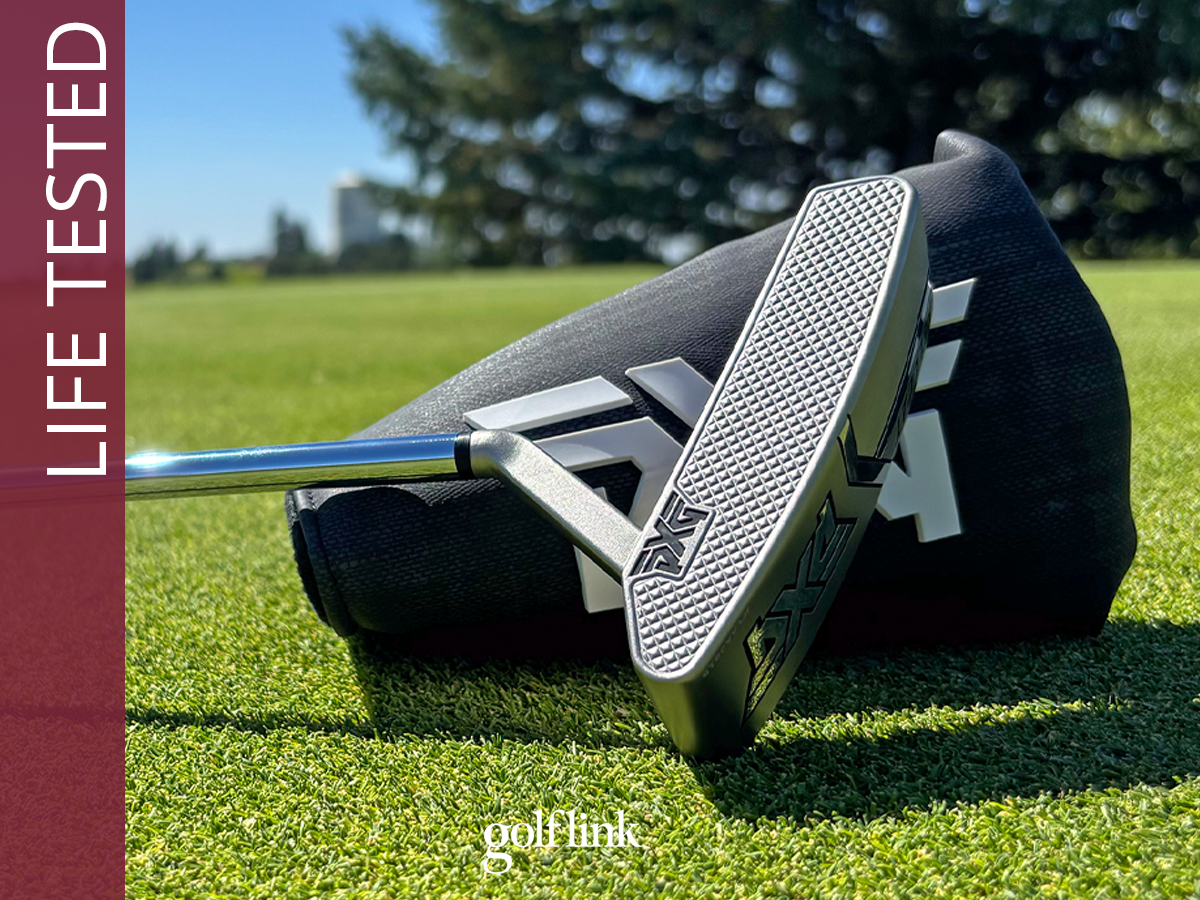
This is the story of two putters that take wildly different paths to get to the same (or a similar) destination. Those paths are what dictate the price you pay, and I’m not going to argue that either is right or wrong.
At $249, the Hellcat is the most affordable zero torque putter I’ve tested, and it gave a $449 L.A.B putter all it could handle in head-to-head testing.
We’re long overdue for an affordable zero torque putter. So many golfers have been beat over the head with zero torque putter hype for the last 18 months, but a $500 entry price is simply a non-starter.
If we’re looking at value as performance for the price, the Hellcat is not just the best value zero torque putter out there today, it’s likely the best value golf club I’ve ever tested.
On the other hand, if your game, standards, or preferences require and excruciating level of detail, then a L.A.B putter delivers value that PXG cannot, alghough not in the form of a more affordable price.
L.A.B vs. PXG Putters: The Final Scorecard
Here’s a look at the final tally between the L.A.B OZ.1 and PXG Hellcat putters:
|
Feature |
L.A.B OZ.1 |
PXG Hellcat |
Winner |
|
Shape |
Mallet |
Blade |
— |
|
Price |
$449 |
$249 |
PXG Hellcat |
|
Performance |
✔︎ |
✔︎ |
Tie |
|
Design |
✔︎ |
L.A.B OZ.1 |
|
|
Customization |
✔︎ |
L.A.B OZ.1 |
|
|
Value |
✔︎ |
PXG Hellcat |
L.A.B vs. PXG: The Decision is Easy
The L.A.B OZ.1 and PXG Hellcat are very similar in a lot of ways, and they’re very different in some other ways.
They’re both fantastic putters, probably my two favorite putters of the dozens I’ve tested and gamed over the years.
Not only do they look and feel great, in my opinion, but they both sink more putts than any putter I’ve used. I’ve never been a great putter, but I’m putting way better with the OZ.1 this year than I have as long as I’ve tracked my putting stats. Then the Hellcat showed up and challenged it outright.
However, the Hellcat is an affordable blade-style putter with fewer customization options and a produced en masse style of production.
The OZ.1, like all L.A.B putters, command a premium price, offer all the customization options you can think of, and come with the assurance of being hand balanced by an expert before it ever touches your hands.
I don’t think you can go wrong with either putter, but by now the best decision for you should be clear. Whether you’re looking for elite craftsmanship or elite value, both putters have earned their place.