Higher-lofted fairway woods are surging, and that’s great as long as you know how choose between a fairway wood or hybrid for each spot in your bag.
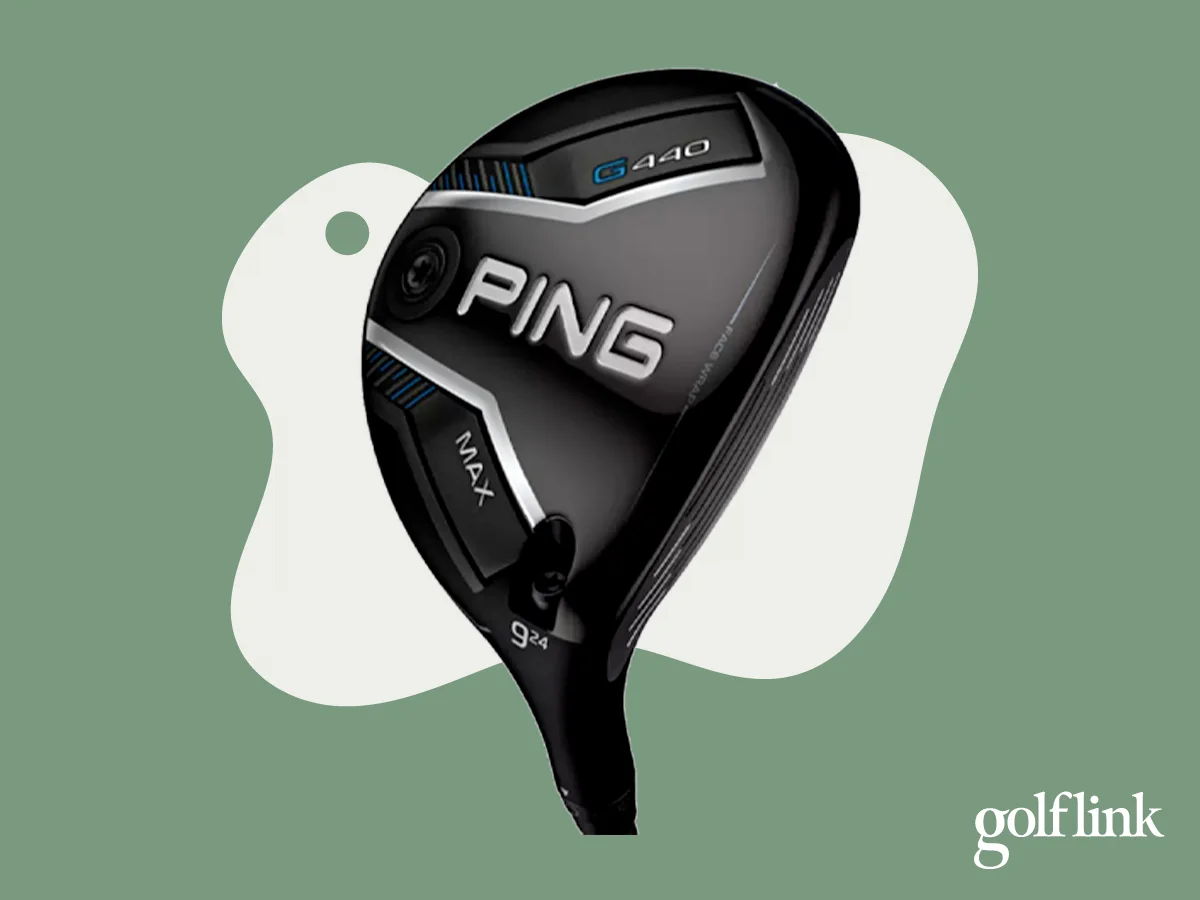
Today, golfers have more top-of-the-bag options than they’ve had in decades. Fairway woods now go as high as 11-woods in many cases, and hybrids are just as versatile. For example, PING’s latest hybrid line, the G440, ranges all the way from a 17-degree 2-hybrid to a 34-degree 7-hybrid.
See what we mean?
While this is great news for competitive players and weekend warriors alike, it’s only beneficial if you know how to make the right choice when deciding between hybrids and fairway woods.
That’s why we compared a fairway wood and hybrid apples-to-apples to help you make the right call easily.
Fairway Wood vs. Hybrid: Head-to-Head Comparison
If the loft and shaft are the same, what’s the real difference? Turns out, quite a bit.
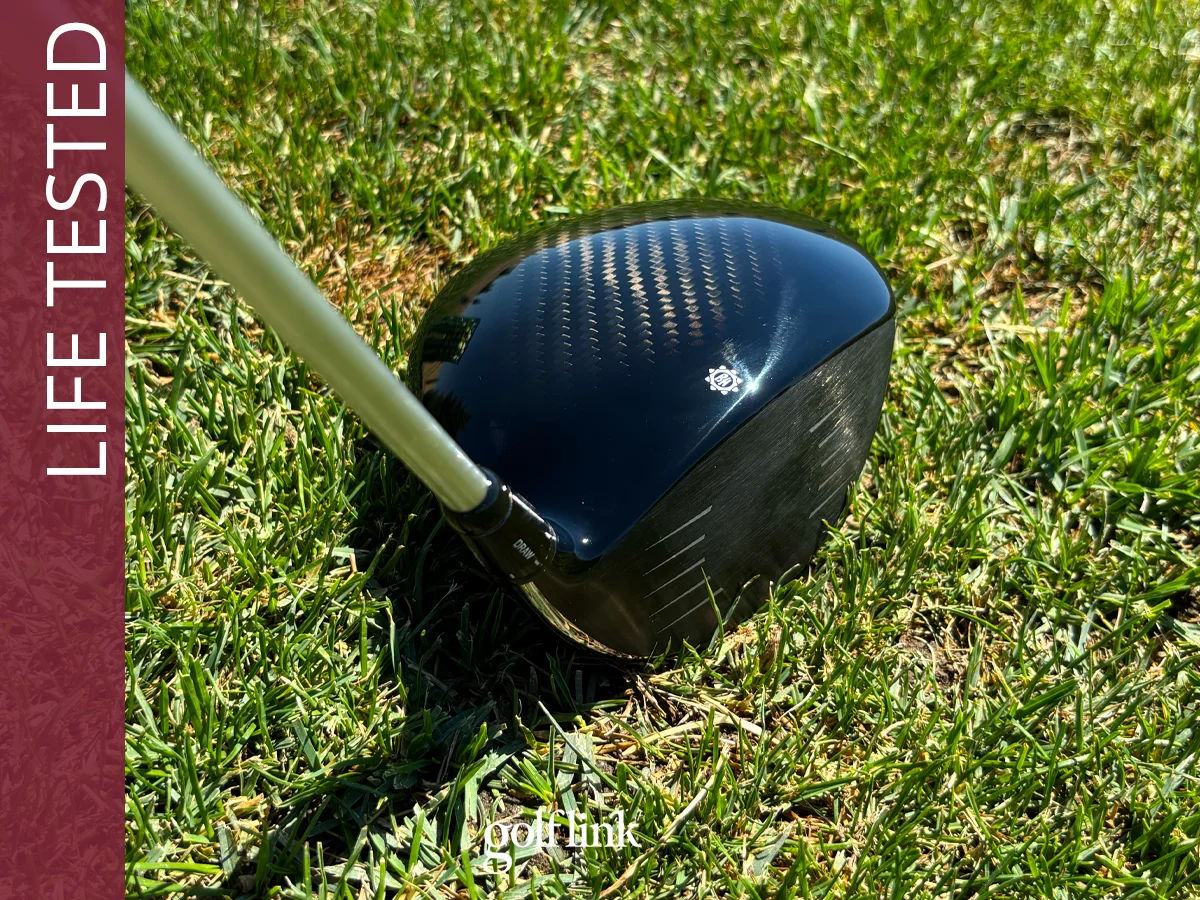
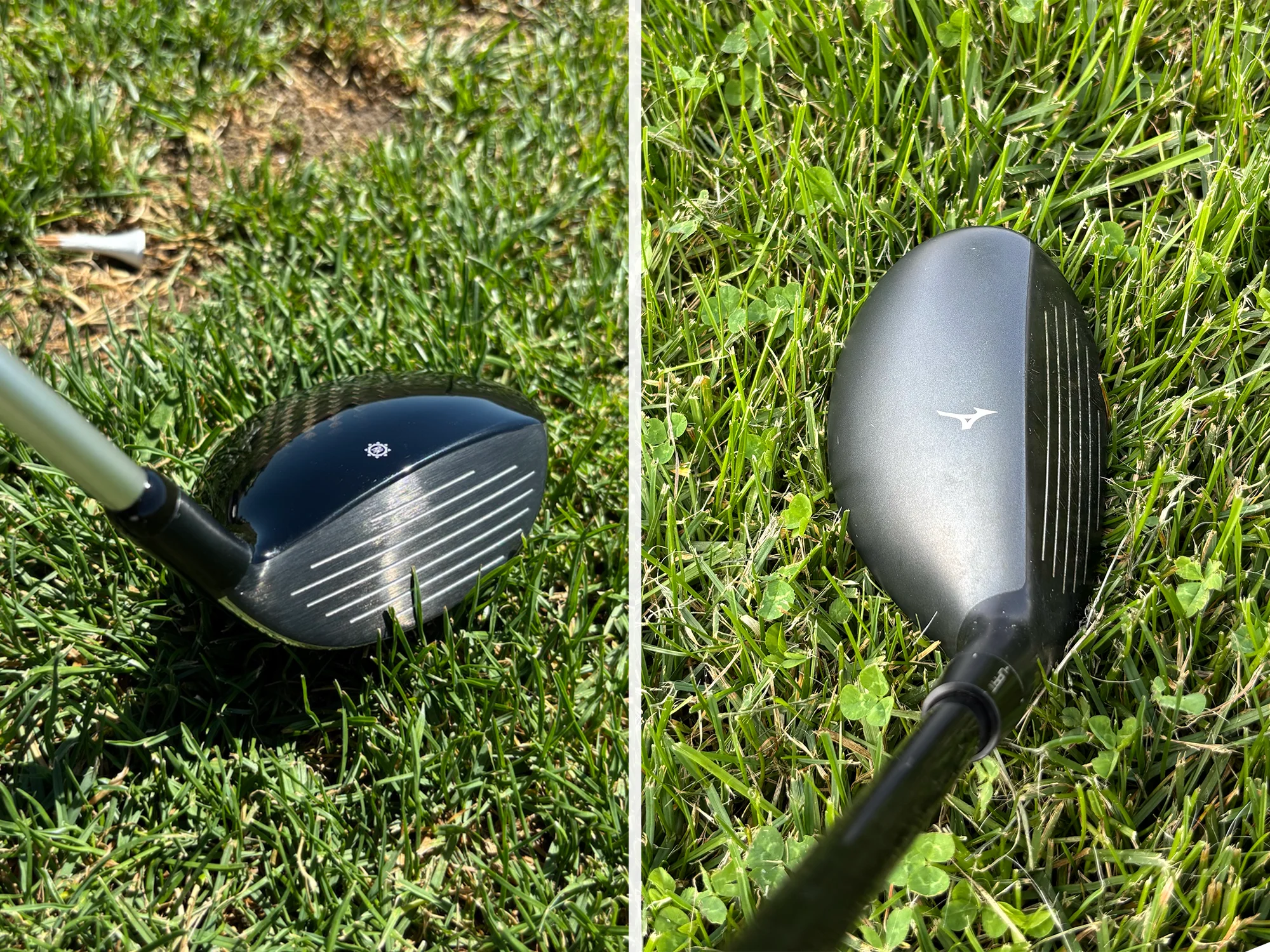
Simply put, a fairway wood is bigger than a hybrid. Not only does it have a larger head, the most visibly obvious difference, but it also has a longer shaft as well. All else being equal, that longer shaft should help you squeeze a little more club speed out of the fairway wood than the hybrid. What you do with that speed, however, is up to you.
Sound ball strikers will turn that club speed into more ball speed, more spin, higher launch and a steeper descent angle. However, those who struggle to find the sweet spot consistently may see a lower smash factor and lower ball speeds from the longer fairway wood than the easier-to-hit hybrid, which can rob you of some of the performance benefits that a wood offers compared to a hybrid.
To compare apples to apples, we tested a hybrid and fairway wood with identical lofts and the same shaft on the Rapsodo MLM2Pro launch monitor.
| 4-Hybrid | 7-Wood | |
| Model | Mizuno CLK | Ben Hogan PTx |
| Loft | 22° turned down to 21° | 21° |
| Length | 41 inches | 42 inches |
| Shaft | Mitsubishi Tensei Blue 70g S Hybrid | Mitsubishi Tensei Blue 70g S Wood |
By using the same shaft and the same loft, this comparison gives an excellent illustration of how a shorter, more compact hybrid creates a different shot profile than a longer, larger fairway wood.
Fairway Wood vs. Hybrid Results
| 21° Fairway Wood | 21° Hybrid | |
| Club Speed | Slightly Higher | Slightly Lower |
| Carry Distance | More | Less |
| Roll | Less | More |
| Total Distance | Similar | Similar |
| Launch Angle | Slightly Higher | Slightly Lower |
| Apex | Higher | Lower |
| Descent Angle | Steeper | Shallower |
| Spin | Similar | Similar |
The data suggests that a hybrid and fairway wood of identical lofts more or less provide two different routes to the same destination. So what makes one better than the other?
Here are four factors to consider that will make your decision easy.
1. What's the Job?
I compared a 21-degree 4-hybrid to a 21-degree 7-wood, but many players debate between an 18-degree 3-hybrid and an 18-degree 5-wood. Regardless, the first thing you should consider is what is the primary job you need this club to do?
Because a hybrid has a shallower trajectory and more roll, it’s usually a better option off the tee, where roll is good. If you want a club to hit into greens from a mile out, you’re going to hold more greens with the higher-flying fairway wood that lands steeper and stops quicker.
- Hybrid: Choose this if you want an easy-to-hit option to hit off tees when driver isn’t the play
- Fairway wood: Choose this if you want to hold greens from long distances
2. Which Suits Your Swing?
Sure, on a robot a hybrid and a fairway wood create different shot profiles. But robots don’t play golf. I’d be willing to bet that if you took five swings with each club, you’d see a noticeably tighter dispersion and more consistent ball speeds with one than the other.
If that’s the case for you, then it makes more sense to bag the one you know you can hit rather than splitting hairs over a few yards of peak height and a few degrees of descent angle.
If you’re a stronger ball-striker and find the sweet spot with both options regularly, then it makes more sense to split those hairs.
- Sweeper? A high-lofted fairway wood may be your best friend.
- Steep Swing? Go hybrid.
3. Finding a Home in Your Bag
The kind folks at the USGA let us put 14 clubs in our bag before they start hitting us with penalty strokes, so how are you distributing those 14 tools?
The chances are good that even if you’re debating between a hybrid and fairway wood for one specific spot in your bag, you have other hybrids and fairway woods distributed in those other spots.
What clubs are above and below this spot in your bag? What distances and trajectories do you get from those clubs? When choosing between a hybrid and a fairway wood, consider not just the distance gap you need to fill, but the shot profile that you want to add to your bag as well.
If you already have either a hybrid or a fairway wood, but not both, consider adding the one you're missing to round out your bag with more options off the tee and into greens.
4. Consider Course Conditions
Finally, it’s wise to consider the typical course conditions you play in, as that can play a role in club selection.
If you play in wind regularly, you might want to opt for a lower-flying hybrid over a higher-flying fairway wood.
What is the rough like at the courses you usually play? Deeper heads on fariway woods allow more room for CG to be moved back, which creates a higher launching and more forgiving profile that can be beneficial out of the rough.
- Lots of Wind: A lower-flying hybrid will be impacted less by the wind
- Lots of Rough: A higher-launching fairway wood performs better from the rough
Quick Comparison: Hybrid vs Fairway Wood Recap
| Feature | Hybrid | Fairway Wood |
| Launch | Lower | Higher |
| Carry Distance | Shorter | Longer |
| Roll | More | Less |
| Optimal Use | Off the Tee | Into greens |
| From the Rough | Good | Better |
| Swing Style | Steep | Sweeper |
A Fair Question
As higher-lofted fairway woods have become more popular in the last five years, it’s healthy for golfers to question where one might fit into their bag, and what club it might replace.
Whether you’re debating between a hybrid and a fairway wood, or simply choosing your hybrid-fairway wood combination based on what you want each club to do, consider these variables and your answer should be automatic.