How and Why Golf Ball Spin Rates Impact Your Shot
Spin is a buzzword in the golf world. There are multiple types of spin and they all impact your game, but do you actually know how and why? This article details different types of spin, spin rates, factors, and what spin numbers you should look for.
Types of Golf Ball Spin
Your golf ball spins in two different ways -- backward and sideways -- and how much of each type of spin you create is determined by your swing and equipment.
Backspin
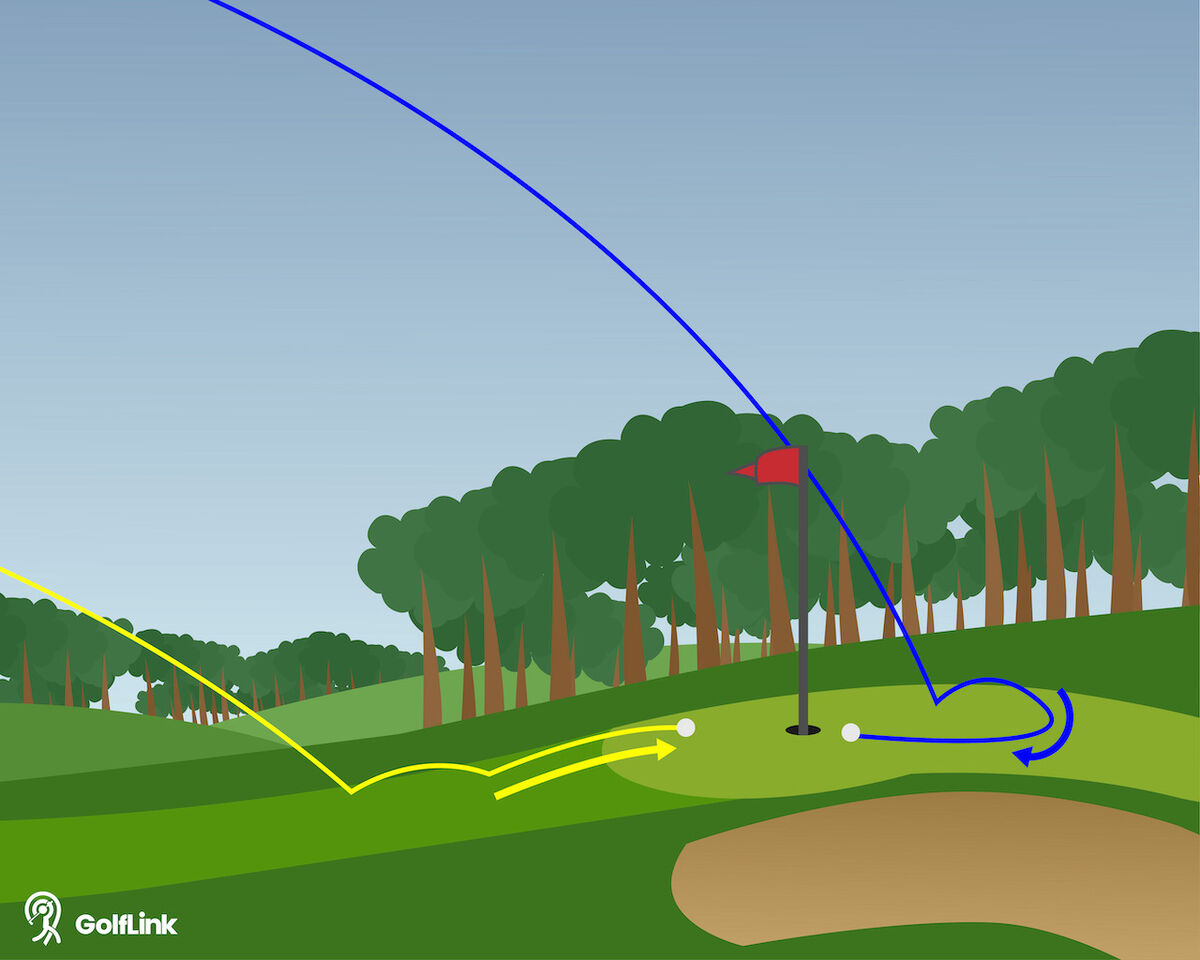
You often see a great illustration of backspin when watching professional golfers hit approach shots into greens. It’s the magic they make when their golf ball lands just past the pin, jumps once, and sucks back. Most amateur players wish they could incorporate that beautiful backspin into their games, but the skill takes a lot of practice and a great understanding of your game.
Even if your ball doesn't suck back after landing, it still has backspin. When a shot doesn't have enough backspin to outweigh the forward momentum, it will roll forward after landing, given the conditions oblige. That's why longer, less-lofted clubs that don't create as much spin don't hold greens as easily as short irons or wedges.
Sidespin
Sidespin is created by the relationship between your club face and path at impact, and it's what causes draws, fades, slices and hooks. Sidespin can work to your advantage, but it is the least desirable type of spin in golf when you don't have it under control.
Factors Influencing Spin
There are several factors that help determine the spin of your golf shots.
Swing
Your swing mechanics, for better or worse, have a big impact on the spin of your golf ball. Players with an outside-in or inside-out swing path put much more sidespin on their golf ball which causes a slice or hook. When this is done intentionally and under control, the result is a beautiful draw or a silky fade.
Players who know how to hit down on the golf ball generate much more backspin, which is why the best golfers in the world can hit shots that stop immediately or spin back to the hole.
Clubs
Different types of golf clubs impact spin and there is plenty of statistical data that shows why certain models of clubs are ideal for low, mid, and high handicap players.
Your shorter, more lofted clubs are designed to hit the ball shorter distances but with more spin. They give you more control over where the ball lands.
The longer clubs are designed to create less backspin. With each longer club, the loft angle of the clubface is lower, producing lower-flying, less-spinning shots that travel farther.
Drivers
Optimizing spin with your driver is key to your game. Low spin drivers are designed for players who want maximum distance and don't need help getting the ball in the air. Less skilled players, however, may find that the lower launch angle that comes with a low-spin driver is less than ideal for their game and actually hinders distance. That's why being properly fit for golf clubs is important.
Irons
Your irons produce backspin. How much spin, however, depends on the type of iron and the player using them. The combination of loft, CG placement and the club's MOI, paired with the characteristics of the swing and the golf ball, influence how much sidespin and backspin is created with your irons.
Wedges
All players should have wedges fit to their game and swing. Greenside spin greatly helps golfers of all levels whether it's on a chip shot, bunker shot, or shorter approach shots. Having wedges that will hold greens instead of spinning off of them leads to shorter putts.
Ideal Spin Rate Chart
Spin is measured in RPMs, which stands for revolutions per minute. Each club in your bag has an ideal spin rate. A good rule of thumb for spin on your irons is to multiply the iron number by 1,000 to find the ideal spin rate. For example, 7-iron x 1,000 = 7,000 RPMs. Here is a chart of the ideal spin for every club.
Every player's spin rates vary slightly, depending on their swing, clubs and ball. If your spin rates are within about 500 RPMs of these figures, you're in good shape.
| Club | Ideal Spin Rate |
| Driver | 3,200 RPM |
| Fairway Wood | 3,500 RPM |
| Hybrid | 4,500 RPM |
| 4-iron | 4,000 RPM |
| 5-iron | 5,000 RPM |
| 6-iron | 6,000 RPM |
| 7-iron | 7,000 RPM |
| 8-iron | 8,000 RPM |
| 9-iron | 9,000 RPM |
| Pitching Wedge | 10,000 RPM |
| Sand Wedge | 10,000 RPM |
| Gap Wedge | 10,000 RPM |
| Lob Wedge | 10,000 RPM |
Golf Balls
Golf ball manufacturers produce different balls to cater to different types of players. While all golf balls are round and have dimples, it’s what’s on the inside that counts. Compression, core, and materials all factor into a golf ball's spin rate. Here are some examples of high and low spin golf balls.
Golf Balls for Lower Spin
Higher-handicap players usually desire a low-spin distance ball to eliminate sidespin and keep the ball in play more often.
Players who hit the ball farther and generate high swing speeds may want a ball with a lower spin, as their faster swing puts naturally puts more spin on the ball.
Titleist AVX
Dick's Sporting Goods/Golf Galaxy
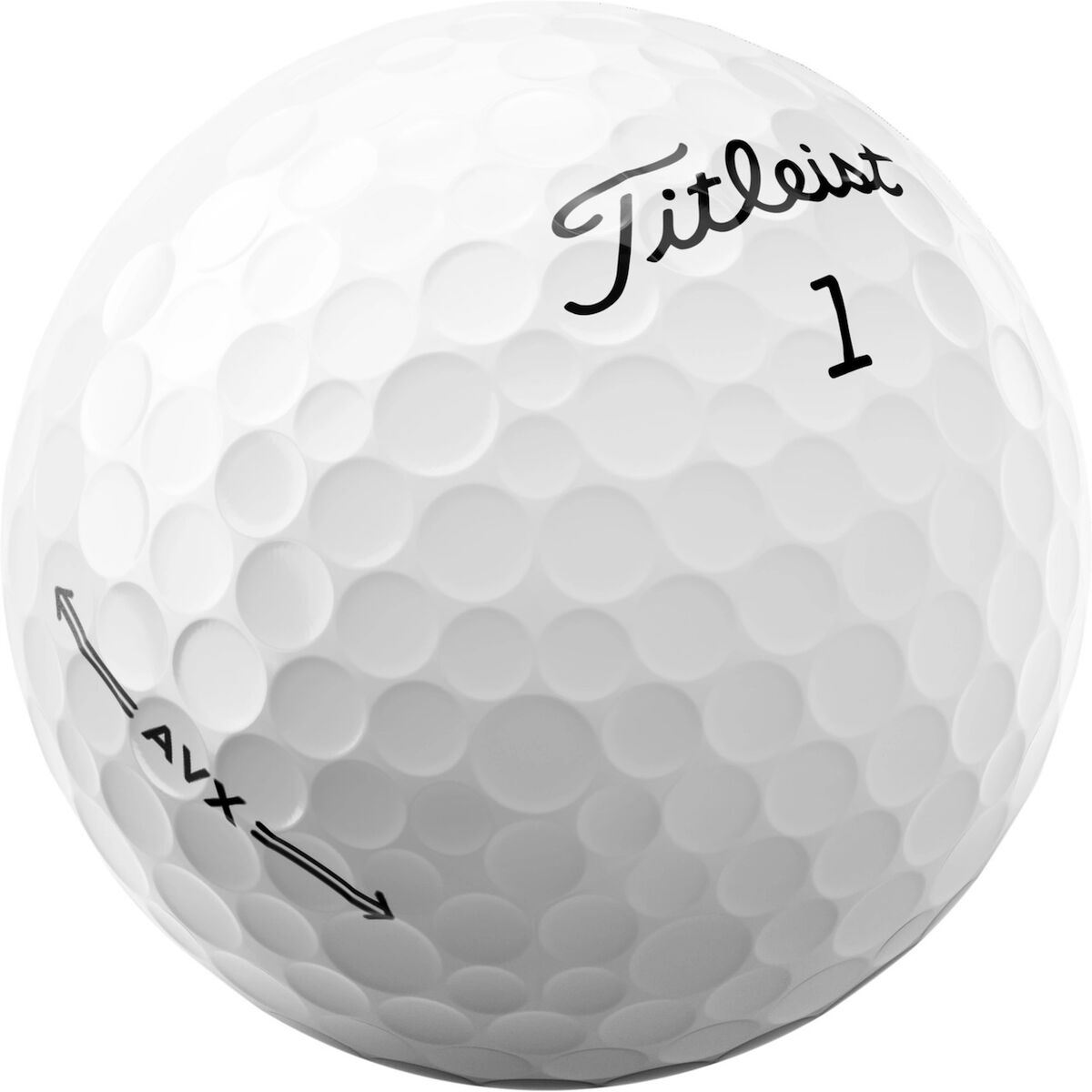
The Titleist AVX is the lowest spinning golf ball in the Titleist family. It's increasingly popular for the player who likes the performance of the ProV1 but wants a more penetrating ball flight. Its low spin nature is most obvious in the long game as well as with irons shots.
Callaway Chrome Soft X LS
Callaway Golf
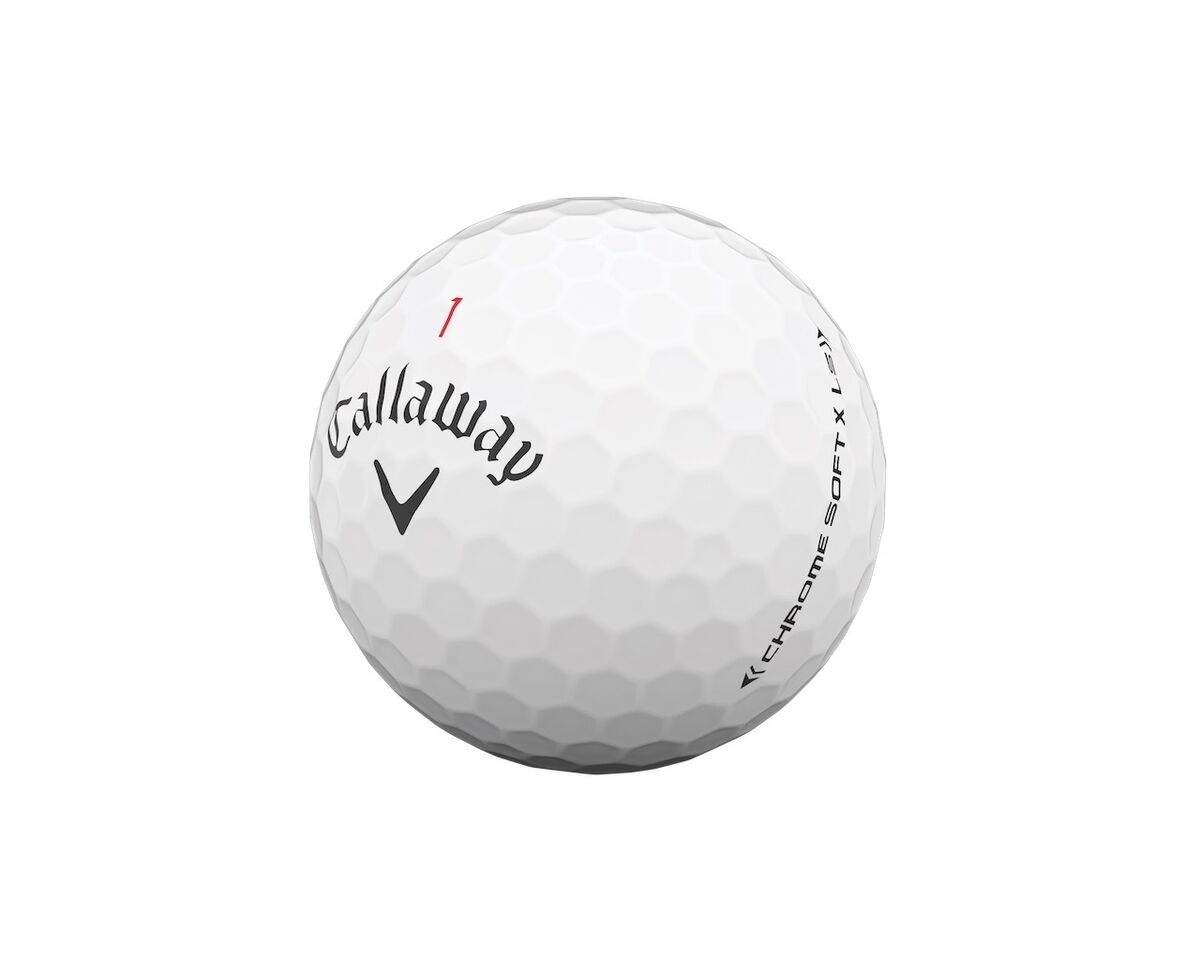
The LS on this Callaway Chrome Soft X stands for low spin, so it should be no surprise that the Chrome Soft X LS is a great option for the low spin crowd. Precision Technology delivers tight dispersion and high ball speeds. The standout feature is its greenside control.
Golf Balls for Higher Spin
Golfers who prioritize greenside control and desire the ability to shape shots and stop the ball on the green favor a higher-spinning ball.
Titleist ProV1
Titleist
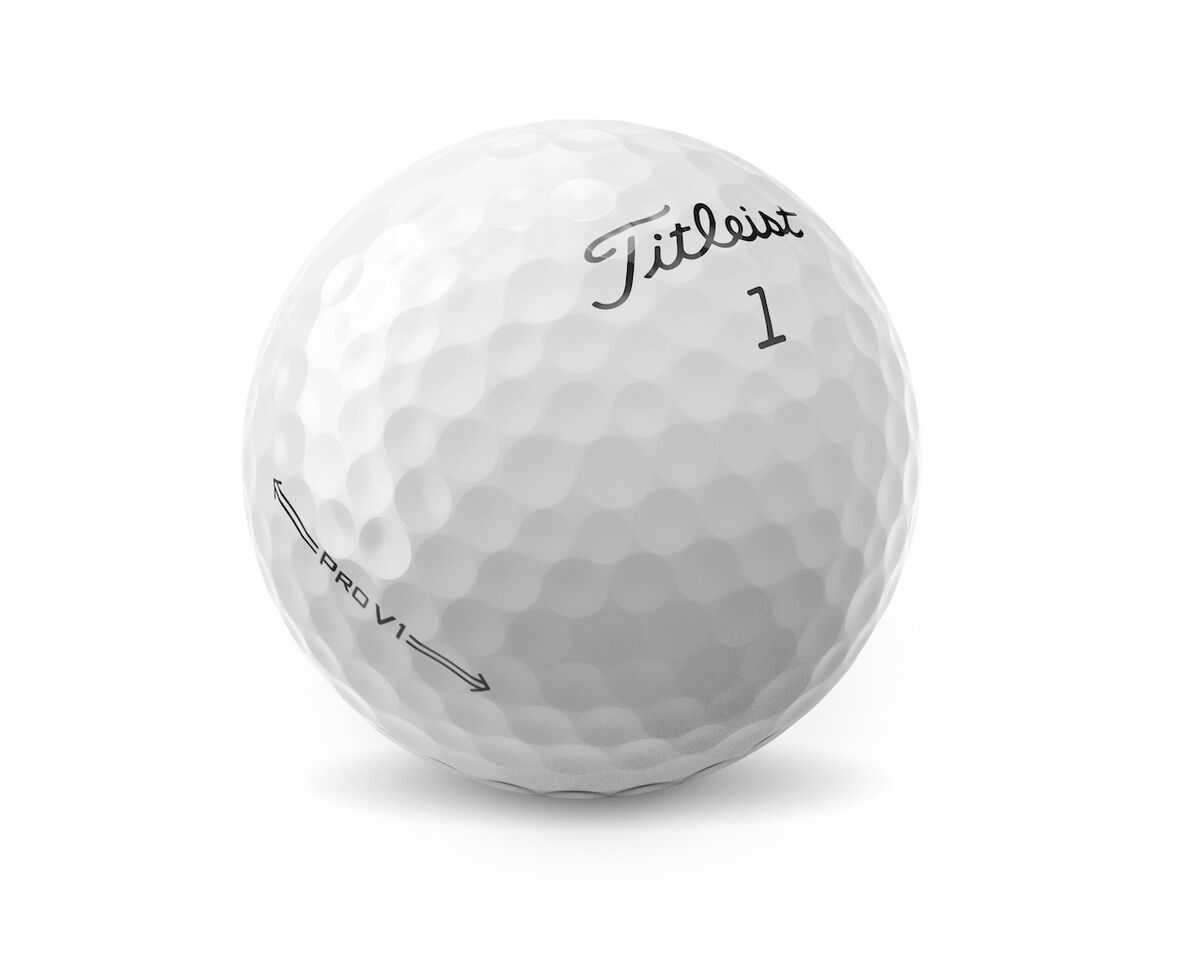
Still the most popular ball in golf, the Titleist ProV1 has just the right amount of spin for many amateur players and is also teed up at every professional event. Its Drop-and-Stop greenside control can be felt by even the highest handicap players, but the ProV1's consistent ball flight and long-distance are still among its calling cards.
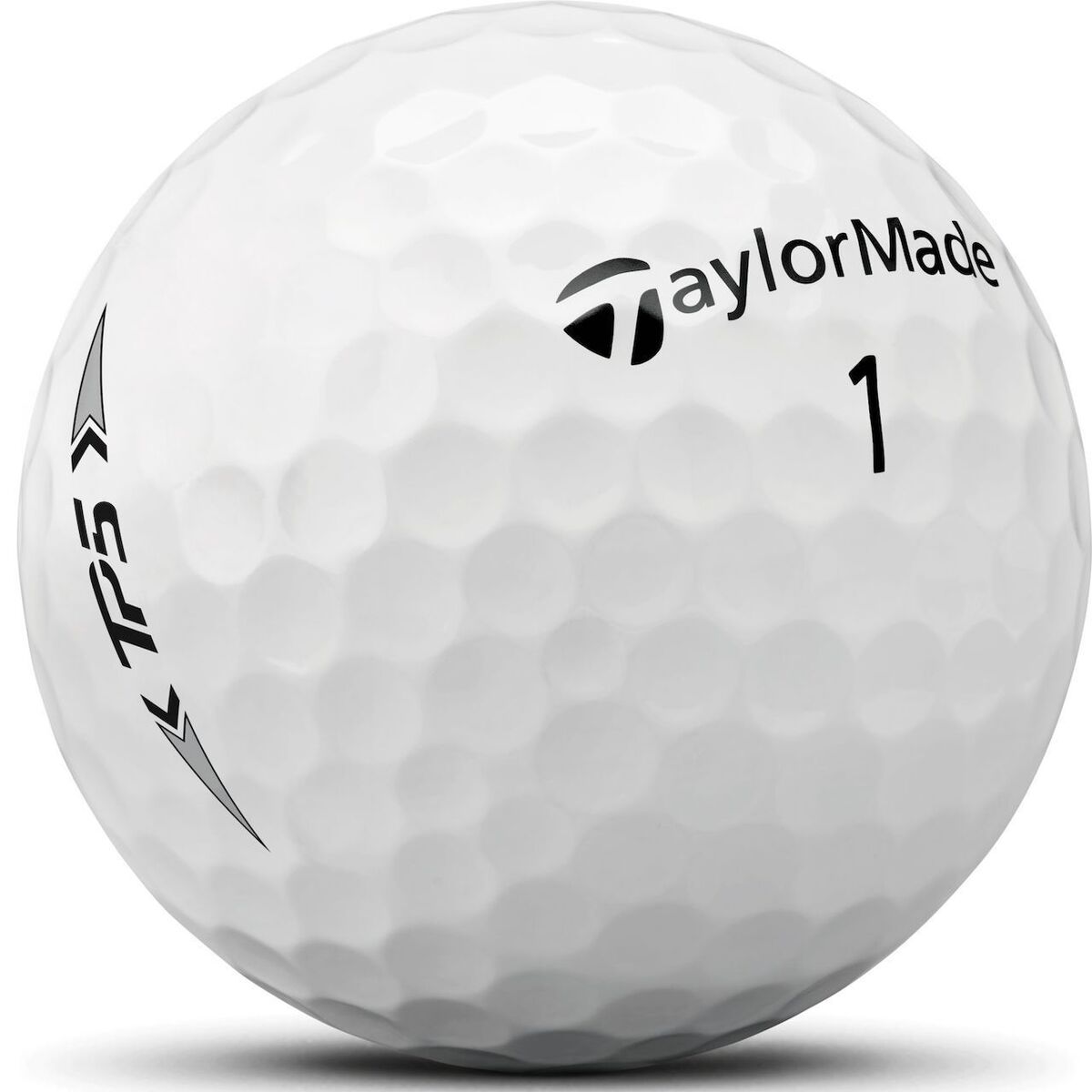
TaylorMade TP5
Dick's Sporting Goods/Golf Galaxy
The TP5 from TaylorMade is the only five-layer tour ball and it features a Tour Flight Dimple Pattern which actually causes a lower trajectory than the previous TP5 model, which it combats by having great control on the green. This ball is another great option for amateurs and is also the choice of many tour professionals.
Conclusion
In golf, some spin is helpful, while some is not. The important thing is to know your numbers and optimize your spin with your swing, clubs, and golf balls.