7 Best Putting Drills for Real Results on the Course
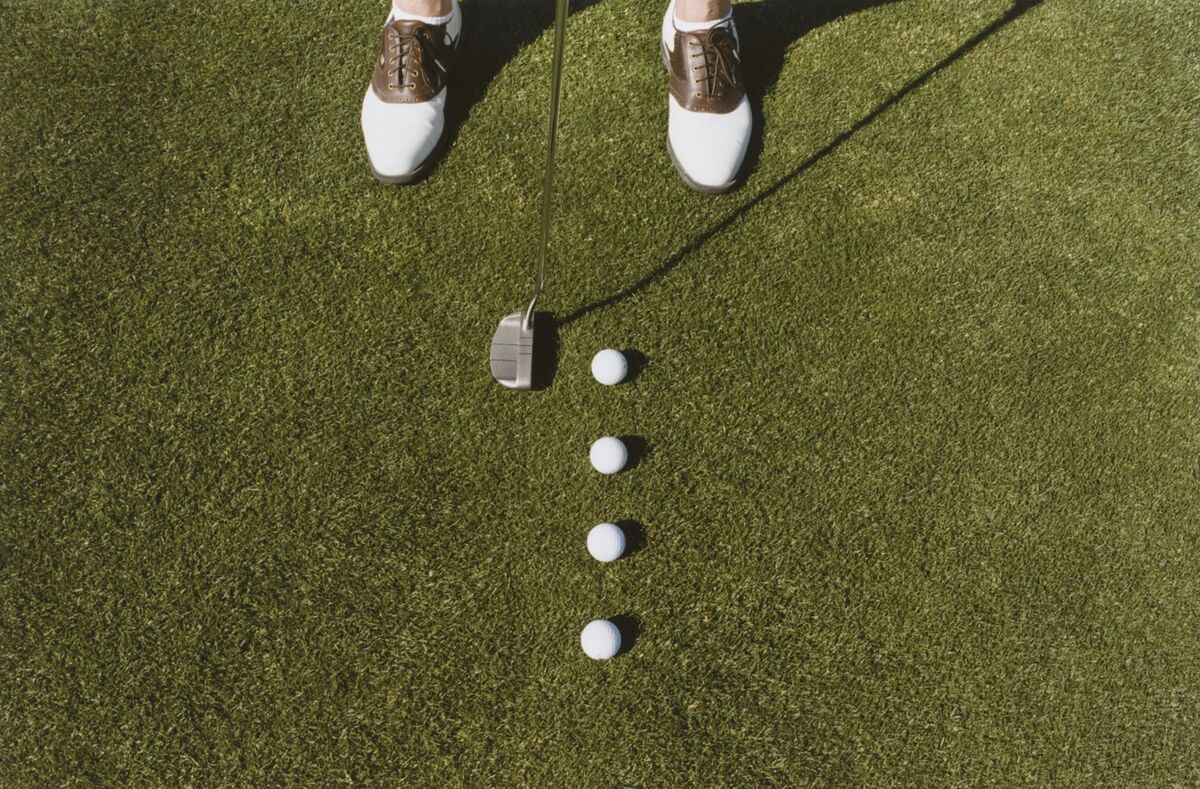
Of all the physical and mental skills golf tests, only one gets the final say in what score you write down on the scorecard: putting. It’s been said that luck is what happens when hard work meets opportunity, and if you’re looking for a little more luck on the putting green, work on these putting drills and watch your scores improve.
Hank Haney’s Speed Drill
Hank Haney’s most famous former client, Tiger Woods, has made a few clutch putts in his life, so it’s a good idea to heed Haney’s advice when it comes to speed. One eternal fact of golf is that no putt that stops short of the hole has ever, or will ever go in. Therefore it’s essential to get your putt to the hole and a little beyond. In fact, tests have shown that the optimal speed for a putt is 17 inches past the hole.
Next time you hit the practice green, set a target tee in the ground and work on getting your putts to finish 17 inches past the target. The results of this drill are three-fold. For one, by not leaving putts short, you’ll increase your chances of making more putts. Secondly, your putts will hold their line better if they approach the hole with a little speed, as opposed to a putt that is dying as it reaches the hole and breaks offline more. Lastly, putts that hit the hole with the ideal speed are more likely to drop into the cup as opposed to putts that hit with more steam, which lip out more often.
Practice Under Pressure
It can be difficult to replicate the pressure you face during a round of golf in your practice session. The Practice Under Pressure putting drill from Mike McGetrick, however, will have your knees knocking by the time you finish.
Set tees three, four, and five feet from the cup in four different directions, for a total of 12 spots. Before hitting your first putt, select a target score which you’ll need to make to successfully complete the drill. For example, you might be going for 10 out of 12.
Now, take three golf balls and putt one from each distance in the first location, then repeat for the remaining three locations, hitting a total of 12 putts. If you miss your target score, start over. If you reach it, set a higher goal the next time. Either way, you’ll probably face a pressure-packed five-footer that decides if you win or lose, which will replicate the nerves you face on the course.
No Backstroke Drill
If you need to practice watching putts go in the hole, and could use some work on keeping the putter blade square, try the No Backstroke putting drill, demonstrated by Ed Ibarguen.
Start two feet from the cup and set up like you would for a normal putt. However, instead of taking a normal backstroke, simply push the putter forward and push the ball into the hole. Repeat this 10 times, and if you miss a putt, start over and be sure to make 10 in a row before moving on. Executing this drill will get you used to keeping the putter blade square through impact and will ensure you start more putts on your intended line.
Keep the Beat
Golfers bring all sorts of crazy devices to the putting green and practice range, but a simple tool used by musicians can help you build a smooth, repeatable putting stroke.
Laird Small suggests utilizing a metronome when you practice putting. You can pick one up from your local music store, or download a metronome app on your phone. Set the beat to 76 beats per minute, the average putting rhythm of the best players in the world, and use the beat to sync your back-and-through rhythm. Repeat this for as long as you need until you’ve got a show-stopping stroke.
Leapfrog to Eliminate Three-Putts
Putting from distance requires touch, and remember, no putt that comes up short of the hole goes in. To really dial in your distance on medium to long-range putts, try Steven Bann’s Leapfrog drill.
To begin, set up two targets — they can be stakes, tees, or any other marker — three yards apart. Starting five yards from the closer of the two targets (and eight yards from the farther target) putt your first ball past the first target, but as close to it as possible. The goal is to then putt each ball — a total of five — beyond the previous ball while keeping it within the two targets. If you convert five successful “leapfrogs” in a row, move back to six yards and repeat the drill. However, if you come up short or putt beyond the second target, start over with your five balls. Practicing this drill will help you virtually eliminate three-putts and have you draining more long-rangers than ever before.
A Penny Saved
For just a penny, this might be the cheapest golf lesson ever. For Laird Small’s Penny Putting Drill, all it takes is a penny to build a smooth putting stroke. Place the coin on the back of your putter and make several practices strokes while keeping the penny in place. If your action is too jerky, you’ll lose the penny.
After you’ve made a few practice strokes, go ahead and hit a few putts with the same motion, still trying to keep that penny in place on the back of your putter. You’ll build a smoother putting stroke, and when you’re done you even get your money back.
Baseball Putting Game
Golf isn’t the only sport enjoyed throughout the summer, so why not mix a little baseball into the action? With the Baseball putting drill from Steven Bann, you’ll not only practice those tricky three-footers, but you’ll be knocking them in under pressure routinely.
The concept is simple: using tees, build your baseball diamond consisting of home plate, first base, second base and third base, each three feet from the hole. Make three consecutive putts from home to advance to first. Once you’re on first, make three consecutive putts to advance to second. The object is to get all the way around the bases and score a run, but if you miss a putt, you must go back a base.
Play this by yourself or make it interesting with a group of buddies. Either way, those pesky three-footers to win the hole will feel like a breeze the next time you’re out on the course.
Putt Better to Shoot Lower Scores
Putting may not be the most exciting part of the game, but you take more strokes with your putter than any other club in your bag, and if you overlook practicing putting, your scores will suffer. Utilize these drills before your next round and you’ll be amazed at how lucky you will become.