5 Reasons the 7-Wood Is a Mid-Handicapper’s Dream Club
I put a 7-wood in the bag. Here's why it's never coming out.
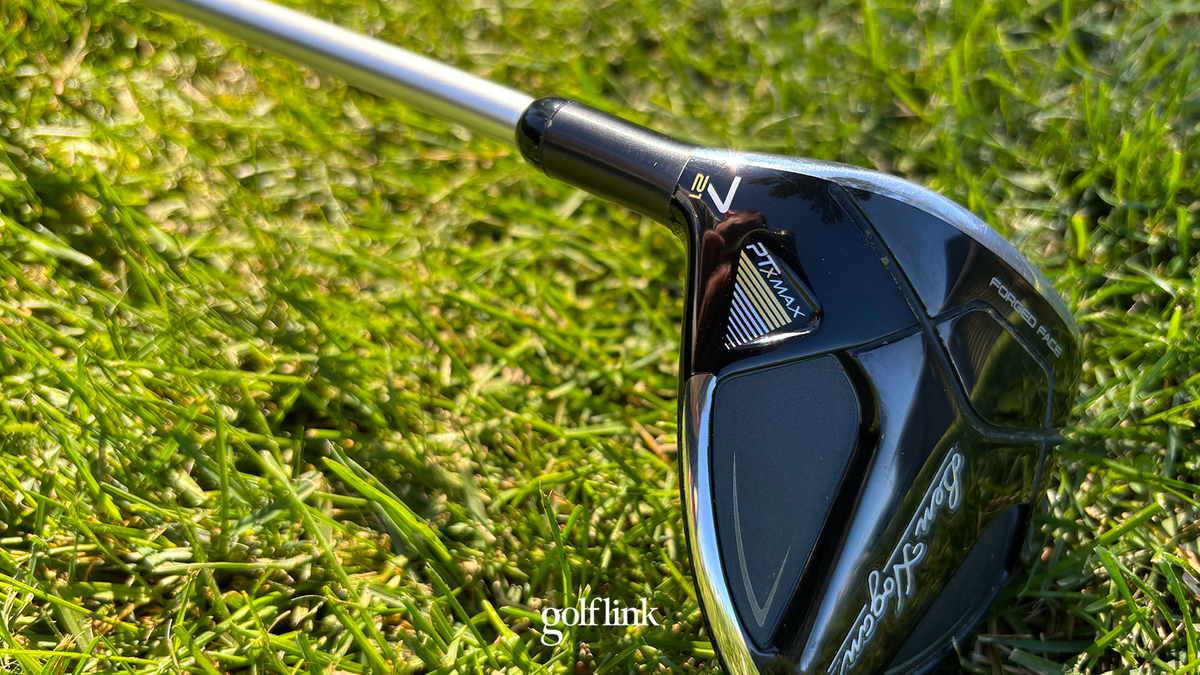
As a mid-handicap golfer, long approach shots have always given me trouble. That’s why I’d been tempted by the idea of a 7-wood since they started popping up on Tour late last decade.
Now that I’ve finally put one in my bag, I can’t believe I went so long without one. Those once-intimidating approach shots are not only manageable, but now they’re fun.
Here are the five biggest reasons why a 7-wood has earned a permanent spot in my bag.
7-Wood Quick Facts
- Loft: 21°
- Distance Equivalent: 3-iron / 4-hybrid
Expect a 7-wood to crank out a similar distance to a well-struck 3-iron or 4-hybrid, but with noticeably higher launch and spin, and a steeper descent angle.
And if you’re an average-at-best ball-striker like me, you can expect to hit the sweet spot more consistently, too.
That’s why so many golfers – high-handicap amateurs and tour pros alike – are making the switch.
1. It’s Easy to Hit
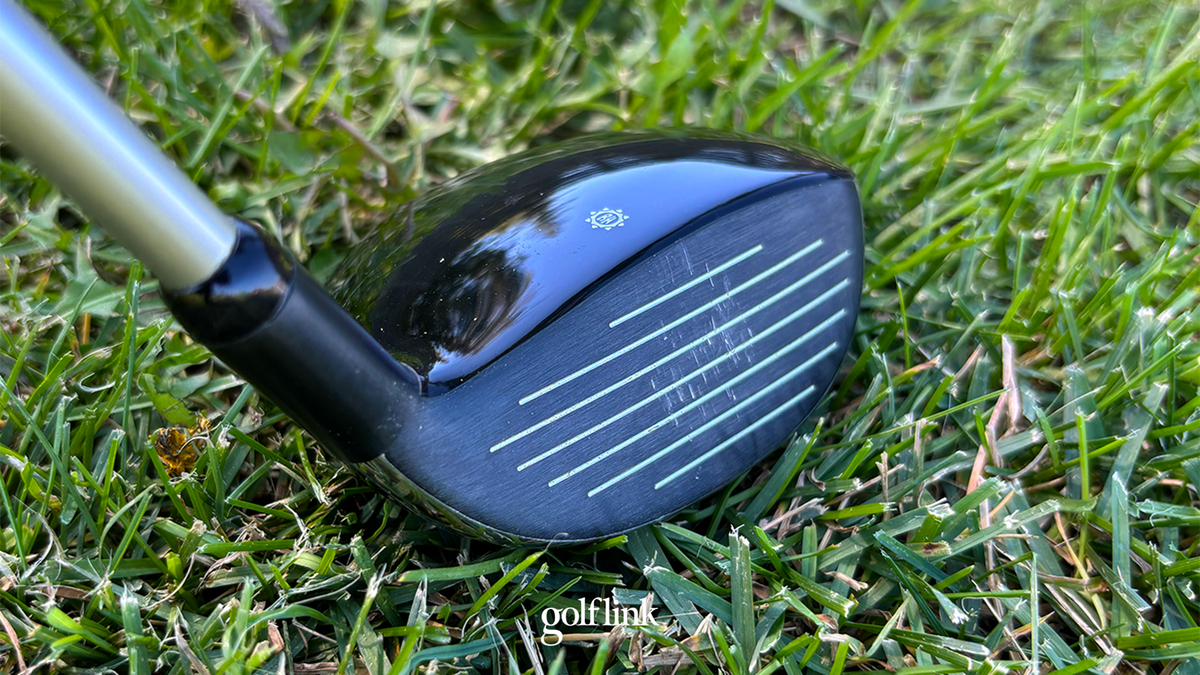
My 7-wood is already getting a wear mark in the middle
With a shorter shaft and extra loft, the 7-wood is perfect if you don’t flush your 3-wood every time. I can hit my 3-wood 230 yards, but I can also chunk it 185 yards.
With my 7-wood, it’s just easy to find the sweet spot, and I get a predictable 200 yards, which has been a game-changer for me. The growing wear spot right in the middle of the face says it all.
2. Perfect Transition Club From the Top of the Bag
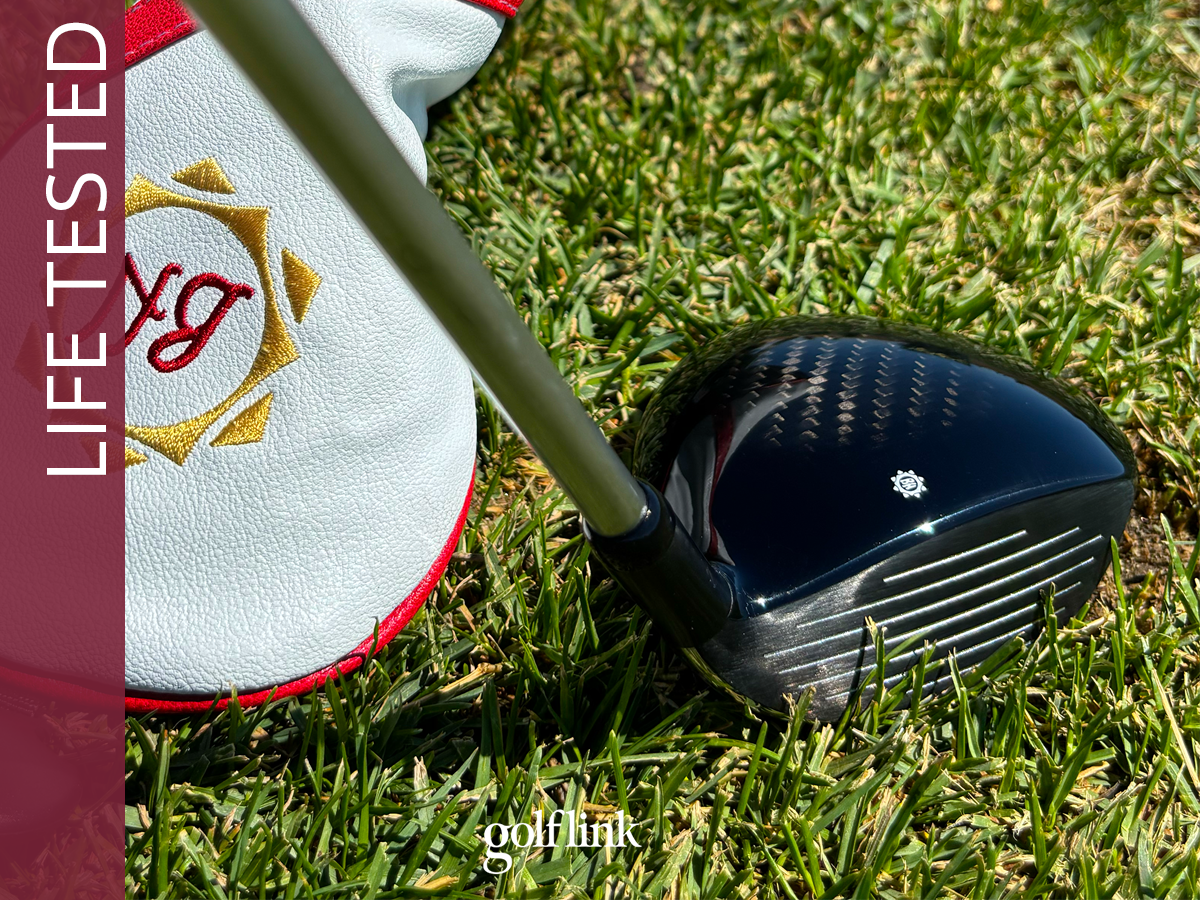
Turning 40 this year has me assembling what I endearingly call my “old man bag.”
More headcovers, fewer long irons. Honestly, the benefits are worth the wisecracks.
By replacing my 4-iron, 5-iron, and 5-wood, with the 7-wood and a 5-hybrid, I now have perfect 15-yard distance gaps from that part of my bag with clubs I know I can hit flush consistently.
Plus, I have a free spot to tinker with other clubs.
3. Confidence From 200 Yards
In my BS (Before Seven-wood) times, a 200-yard shot meant pulling my 220-yard 5-wood and either accepting a perfect strike that went long, or a clunky shot that wound up alright. That doesn’t exactly create a feeling of confidence over the ball.
In my AS (After Seven-wood) era, I can stand over the ball knowing I’m going to hit the center of the club, and more importantly, hit my distance.
And since my home course has two 200-yard par-3s on the back 9, that’s a feeling I simply can’t put a price on.
4. A Green-Holding Weapon
Mid-handicap golfers hit the green from 200 yards just 8% of the time, according to data provided by Shot Scope.
You might think that’s not an earth-shattering statistic. After all, 200 yards is a long way. But have you considered why it’s hard to hit a green from 200 yards?
An average green is about 25 yards wide and 25 yards deep. The target is plenty big to hit more than one out of 12 tries, even for mid-handicap players.
But landing on a green and holding a green are two different things, and that’s where the mighty 7-wood shines.
A 7-wood cranks out a higher ball flight, more spin, and a steeper descent angle than the long iron or hybrid that goes the same distance. That’s why a 7-wood will actually hold a green, rather than landing hot and rolling off. That’s the difference between a birdie putt and a tricky up-and-down to save par.
5. Versatility You Won’t Find in Other Long Clubs
One reason it was easy to make a three-for-two swap when I added the 7-wood to my golf bag was its versatility.
Sure, it’s great when I need a 200-yard shot into greens, but compared to the long irons and 5-wood it replaced, I have so many new shots at my disposal.
The other day, I was in an adjacent fairway on a par-5, about 40 yards behind a big tree. With a 5-wood or a long iron, I would have been forced to punch out around the tree, leaving myself way out of position. Instead, I confidently flushed my 7-wood over the tree (with no more than a yard to spare), leaving a wedge into the green.
I also prefer the 7-wood over my “rescue” club out of the rough and from tricky lies. With a larger head and deep CG, it’s easier to get airborne from those lies.
I haven’t used my 7-wood as a driver-alternative much yet, but that’s a missed opportunity. There are a couple narrow holes on my home track where a well-placed 200-yard shot beats about two-thirds of the results from my 3-wood or driver dispersion cones.
Why a 7-Wood Could Deserve a Spot in Your Bag
I replaced my 4- and 5-irons with a 7-wood and 5-hybrid, and haven’t looked back. As a so-so ball-striker who has never exactly oozed with confidence from 195 yards, the move has changed my game.
It didn’t take long for the 7-wood to go from fun experiment to permanent resident in my bag. If you struggle with long approach shots, or just want a more forgiving and versatile option, it might do the same for you.