SuperSpeed Speed Sticks Pro: What I Really Gained
Does SuperSpeed actually increase swing speed? My hands‑on results reveal what golfers can expect.
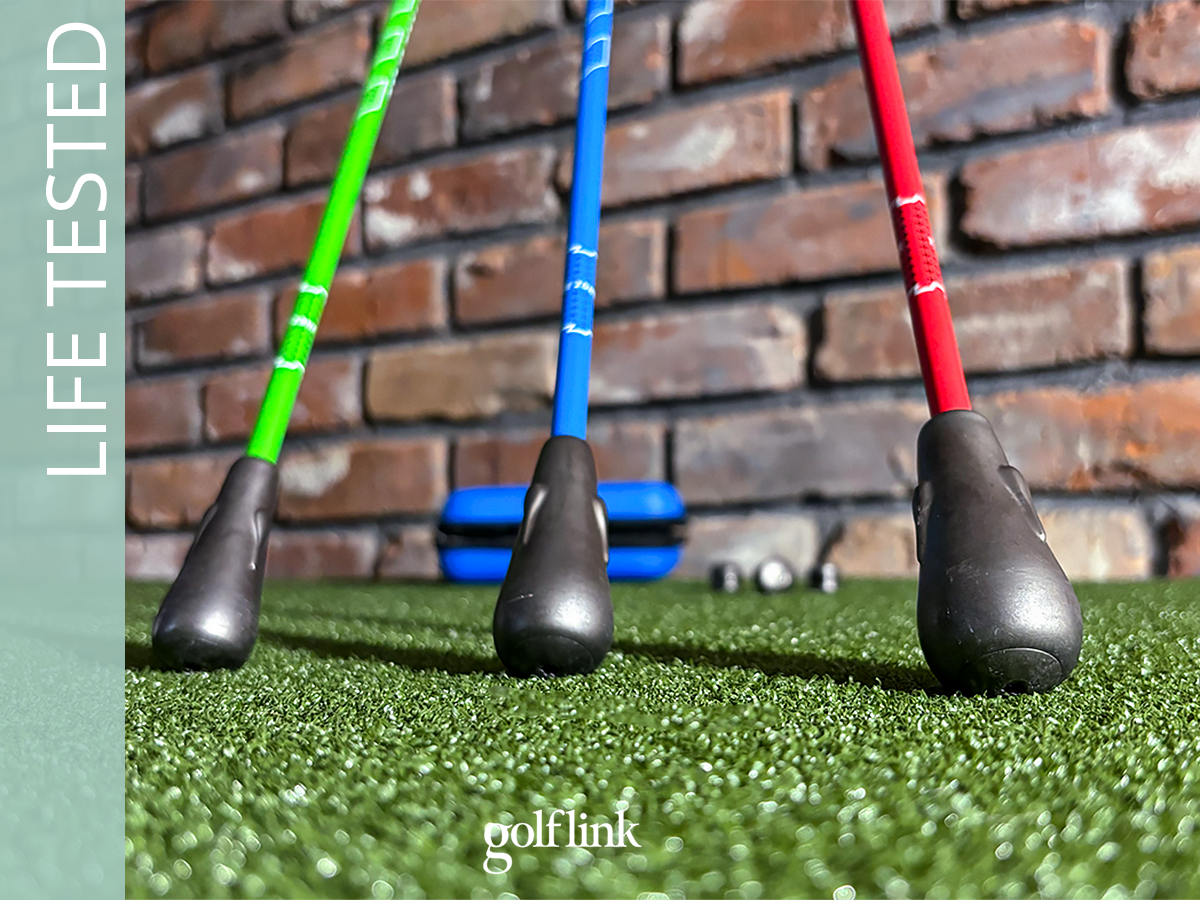
If you’re not training, you’re not gaining. That’s my philosophy on golf speed training, anyways.
So when I had the chance to test the latest SuperSpeed Speed Sticks Pro, complete with a revamped app and user experience, I didn’t hesitate.
SuperSpeed claims you can gain up to 20 yards in as little as five weeks.
I’ve been testing SuperSpeed for about two months. So, did I pick up 20 yards?
Here’s how my training went, what golfers should know before starting speed training, and who will benefit most from SuperSpeed’s new Speed Sticks Pro.
SuperSpeed Speed Sticks Pro Overview, Pros & Cons
SHOP SUPERSPEED
CHECK AMAZON
CHECK GOLF GALAXY
MSRP: $199
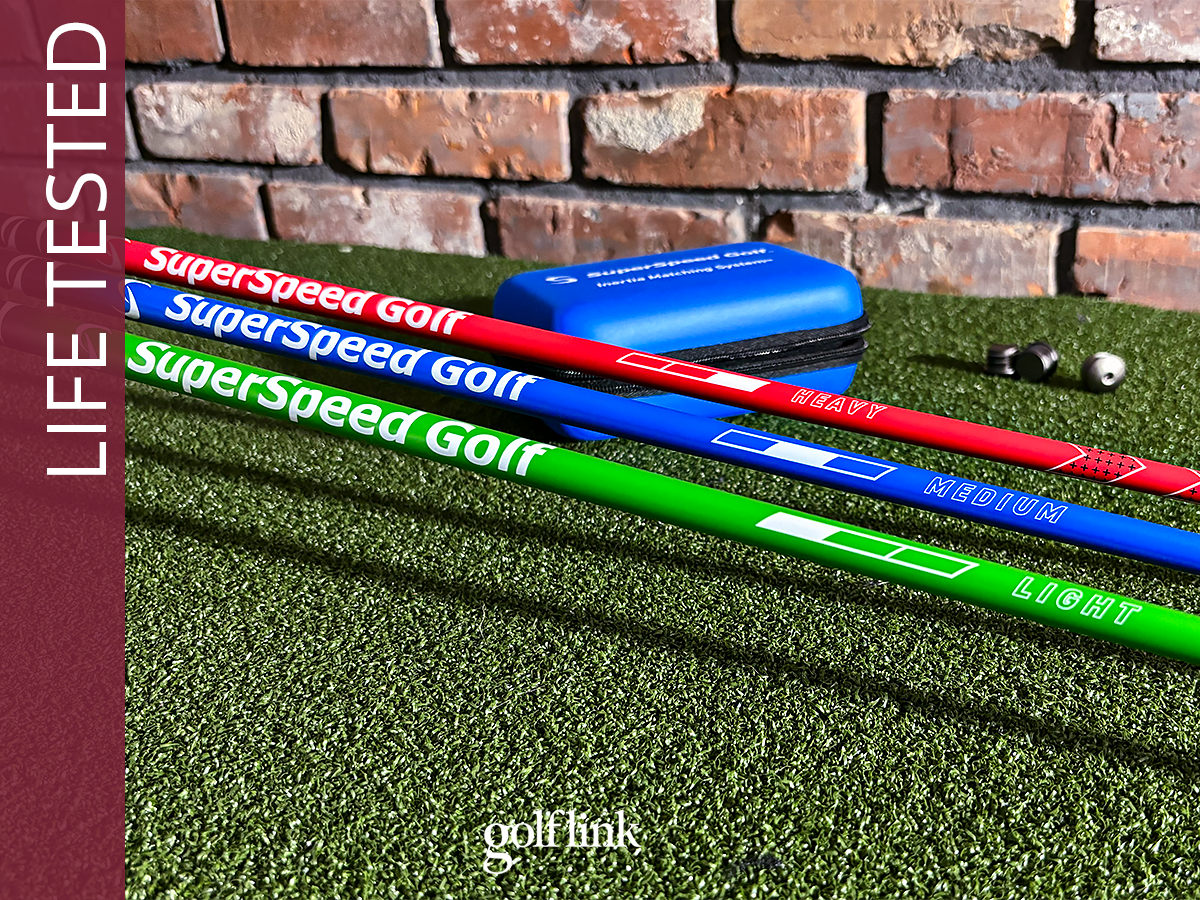
SuperSpeed is the OG of the speed training game, and the Speed Sticks Pro is the second generation of their three-stick system.
The protocols take a bout 15 minutes, three times per week, and use three fixed-weight sticks so you never have to adjust head weights mid-session.
The Protocols are pretty straightforward. You make three full-speed swings with your dominant side, then three full-speed swings with your non-dominant side with each stick. Depending on which Protocol you’re on, you do this for two or three different types of swings, then finish by swinging the lightest club as fast as possible with your dominant hand.
SuperSpeed recommends using a launch monitor to track swing and ball speeds. The bundle I tested includes the PRGR radar.
The PRGR launch monitor is super quick and simple. Turn it on and start swinging. But I found it inconsistent indoors, and after a few weeks I switched to a camera-plus-radar unit and saw far fewer misreads.
Pros:
- No messing with head weights during training
- App is really easy to use and videos load seamlessly
- Beyond speed training, app offers warm-ups, fitness protocols, and technique lessons that aid speed and performance gains
- If you train, you will gain
- With minimal stretching and warm-ups, I went through the protocols injury-free
Cons:
- Full app access costs $99-$119 per year (limitied free version available)
- PRGR is not very effective indoors
How I Tested SuperSpeed Speed Sticks Pro
I tested SuperSpeed the same way most golfers will use it: indoors during the offseason in my garage.
Training indoors likely capped some of my top-end speeds, which I confirmed with some speed spikes during one outdoor training session.
I followed the protocols consistently, with a few real-world exceptions. I broke for two weeks for holiday travel in late December and again for a week for the PGA Show in January. These are the same types of interruptions that, unless you play golf for a living, are common for most golfers.
SuperSpeed Speed Sticks Pro Results
I've done some sort of speed training for the last five years or more, and my gains from this SuperSpeed regimen were slow and steady, not dramatic. That's typical once you’ve already done speed training.
The “20 yards in five weeks” claim is realistic for first-time speed trainees. Once you’ve captured those first-time gains, progress naturally slows but doesn’t stop.
I quickly jumped from 120 MPH to 125 MPH with the lightest stick, then top-end speeds plateaued, which is to be expected. That plateau is actually a push-pull effect. While the top-end speeds might not be going up, the lower-end speeds are catching up.
My average driver speed increased only 0.8 MPH, but my average ball speed jumped 8.8 MPH, which hints that my sequencing and consistency improved even when raw top-end speeds weren’t exploding.
For good measure, I stepped outside and clocked some dry driver swings. My outdoor max driver speed hit 112 MPH, which matched my high last year despite using a shorter "indoor" shaft this time. In all, I consider that a tangible gain.

Golf Speed Training & Why It's Guaranteed to Work
More Than Speed Gains
Beyond the overspeed training, I tapped into a few extras that the app has to offer.
The three trainings I used the most were rotational sequencing, wrist mechanics, and warm-ups. For the record, the full suite of offerings in the app include:
- Assessments
- Warm Up
- Overspeed
- Counterweight
- Force Board Pro
- Ground Force
- Rotational Sequencing
- Wrist Mechanics
- Squeeze
- Ball Speed Application
I’ve been speed training every year for a while now, but I’ve only been using a launch monitor with trainings for the last two years, and it’s been the same story every year. See baseline speeds at the beginning, see those speeds improve consistently over the first few weeks, then see them plateau.
That’s when I get the sense that I’m not getting the most out of my effort. I feel like there must be some leak or flaw that’s draining speed. This moment is a strength of the SuperSpeed app.
Rotational Sequencing
Once I saw speeds plateau, I went straight to the Rotational Sequencing training inside the app. It gave me a quick, easy-to-understand lesson with drills on how to sequence my swing to optimize speed.
The sequencing drills helped me fire my hips more efficiently, which translated into more consistent top-end speeds. That’s a big reason why my average ball speed was so much faster by the end of my training.
Wrist Mechanics
I didn’t think much about my wrists during my golf swing before, I just let them naturally do their thing. It turns out, that was a mistake.
It doesn’t take a rocket scientist to figure out that the wrists influence casting, flipping, and swing path, all of which can cause swing speed leaks.
Not to mention your wrists dictate face angle, which you need to dial in if you want to keep your ball on the planet.
Again, the SuperSpeed app made the lesson and drills quick, easy, understandable and effective. All of this supports the mission for a fast, fundamentally sound golf swing that’s effective on the golf course, not just during a speed training session.
Warm Ups
My last big takeaway from my experience with SuperSpeed is the importance of warming up. Again, not rocket science here, but it’s easy to ignore until you see the data.
I quickly learned that my “cold” 7-iron swings were about 12 MPH slower than my warmed-up swings. That changed how I think about pre-round prep. It’s safe to say that my days of heading from the parking lot to the first tee are over.
The warm-up section of the SuperSpeed app delivered a great 5-minute warm up that I can do at the course or at home to get my body ready to swing efficiently.
PRGR Launch Monitor
I tested the SuperSpeed bundle that includes the PRGR launch monitor, but I mentioned, I ended up switching to a different unit to get more reliable reads.
The PRGR is an affordable, simple radar launch monitor that reads club speed, ball speed, smash factor and carry distance.
It’s the quickest, easiest-to-use launch monitor I’ve experienced. There’s no app, you just turn it on and swing.
My problem came when I noticed very inconsistent readings from what felt like similar swings. Then I did a little more research and realized that indoor environments with other objects around can throw off the readings, so I switched to a unit I’m more comfortable with.
Outdoors, the PRGR would be my top choice. Indoors, I’d choose something else.
Who SuperSpeed Is Best For?
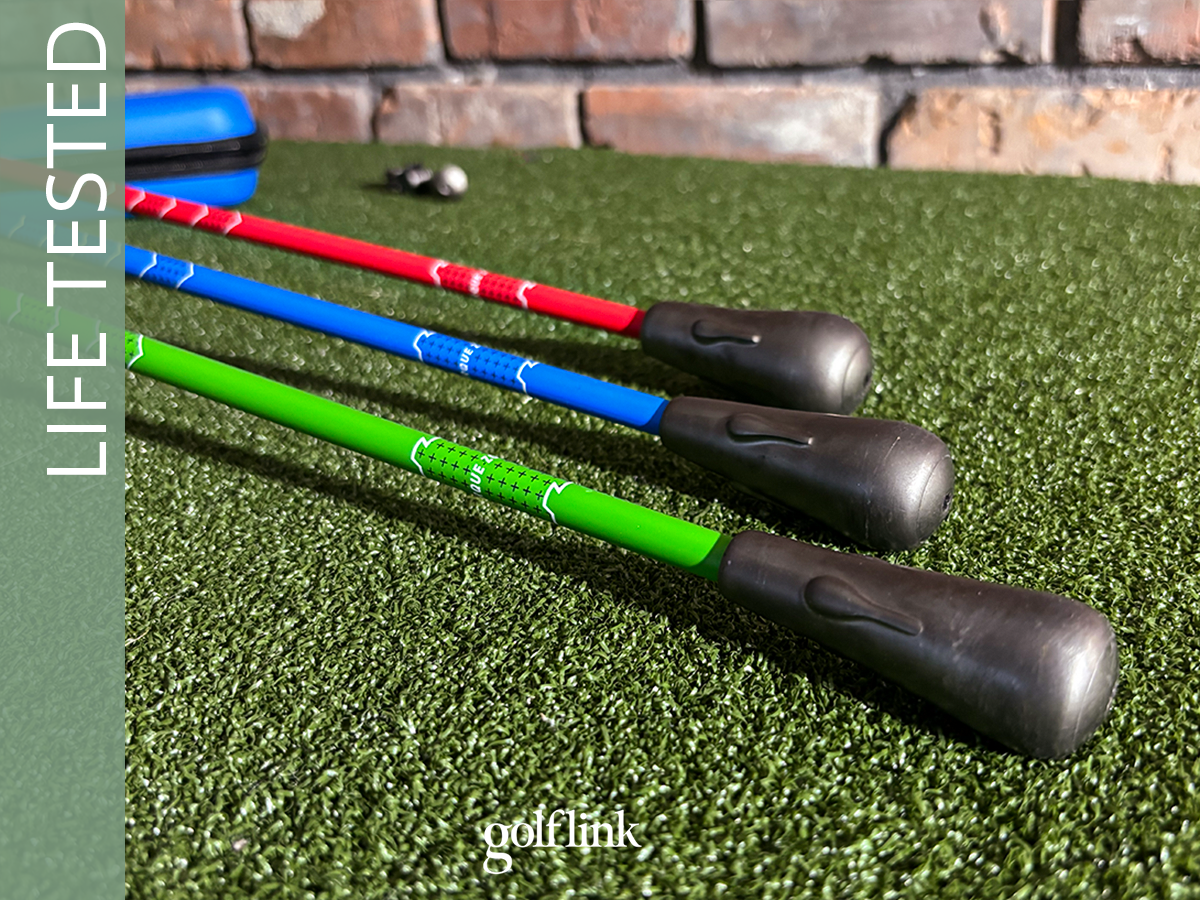
Simply put, SuperSpeed is for golfers who want to earn distance, not buy it.
If you’ve never done speed training, you can expect meaningful, maybe even dramatic gains.
If you have speed trained already, expect slower, steady gains and maintenance.
Of all the speed training products, SuperSpeed is a top choice for golfers who want an easy-to-follow protocol with nothing to adjust during training, plus an app that provides swing benefits beyond just prescribed trainings.
SuperSpeed Speed Sticks Pro FAQ
Here are quick answers to some common SuperSpeed questions.
How long does it take to see results?
The Level 1 Protocol lasts five weeks, which is when new speed trainers will see their biggest gains.
Do I need a launch monitor?
No. You’ll gain speed by training without a launch monitor. However, using a launch monitor provides real-time feedback on sequencing and technique that can lead to more efficient training overall.
Is the app subscription required?
No. The free version of the mobile app (iOS and Android) includes the Level 1 training protocol plus speed tracking to monitor your gains.
Is it safe for older golfers?
Speed training can lead to injury. Injury risk declines for any golfer when speed training is paired with light stretching and strength training. To further reduce the risk of injury, consider foregoing the heavy (red) speed stick during training.
How much space do I need?
You need enough space to swing a speed stick freely as fast as you can. If you use a launch monitor, refer to the unit’s specs for how much room is required to get accurate readings.
What happens after the first 5–6 weeks?
Expect your most dramatic gains to occur the first five weeks of speed training. After that, you should expect to see smaller top-end speed gains.
Going the Distance
I didn’t see dramatic speed gains during my experience with SuperSpeed, and I didn’t expect to. I did see steady improvement, better sequencing, improved consistency, and higher ball speeds.
Compared to losing speed by doing nothing, SuperSpeed remains one of the most effective ways to build distance.