The 5 Truths I Learned Testing the L.A.B. LINK.2.2
My first hand testing answers the biggest questions about L.A.B.’s newest putter.
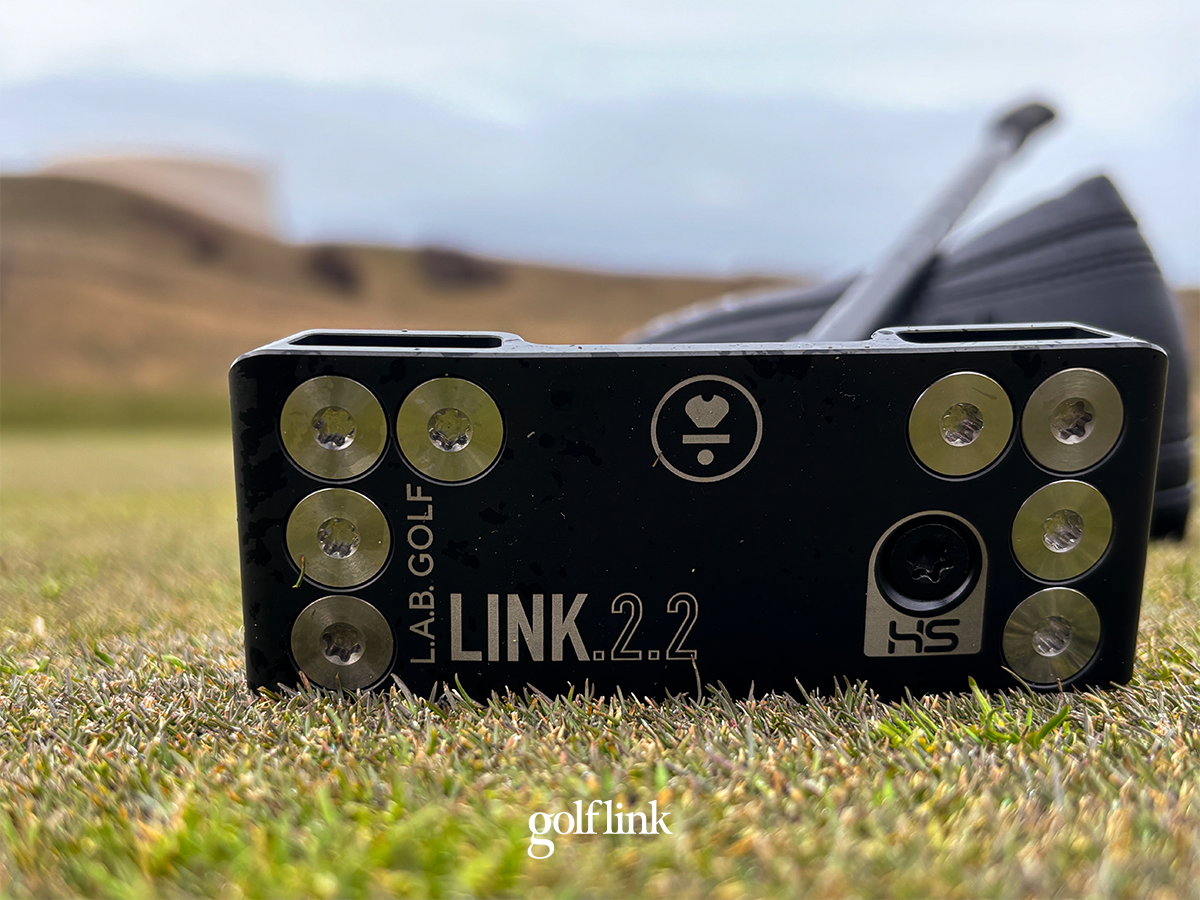
L.A.B. Golf is good at a lot of things, but keeping secrets isn’t one of them. Months before L.A.B. officially announces a new putter, images begin surfacing online, and the chatter begins.
Those leaks – kudos to L.A.B. for a successful hype strategy – ignite an onslaught of questions and debates.
L.A.B.’s newest models, the LINK.2.1 and LINK.2.2, might be the most anticipated yet. Early photos of the black, heel-shafted blades have L.A.B. fanatics in full hype mode.
So I took the new L.A.B. LINK.2.2 to a wet, slightly slow, putting green to dig up answers to the five biggest questions golfers are asking.
L.A.B. LINK.2.1 & LINK.2.2 Specs
- Styles: LINK.2.1 (Narrow Blade); LINK.2.2 (Squareback Blade)
- Head: 100% CNC Milled 303 Stainless Steel
- Stock Length Options: 33-Inch; 34-Inch; 35-Inch
- Stock Lie Angle: 69°
- Stock Grip: Lamkin Deep Etched
- Finish: Black (PVD)
- Price: $499 (Stock) / $599+ (Custom)
- Availability: Now (labgolf.com) / April 23, 2026 (retail)
The new LINK.2.1 and LINK.2.2 putters offer blade enthusiasts two classic-looking options with L.A.B.'s foundational Lie Angle Balanced technology.
The LINK.2.1 is a slim, traditional blade with more of a classic look. The LINK.2.2, meanwhile, is a squareback blade with a wider body and a slightly larger overall footprint.
Both heads are made of 100% stainless steel with a black PVD finish.
1. Is LINK.2 As Accurate As Other L.A.B. Putters?
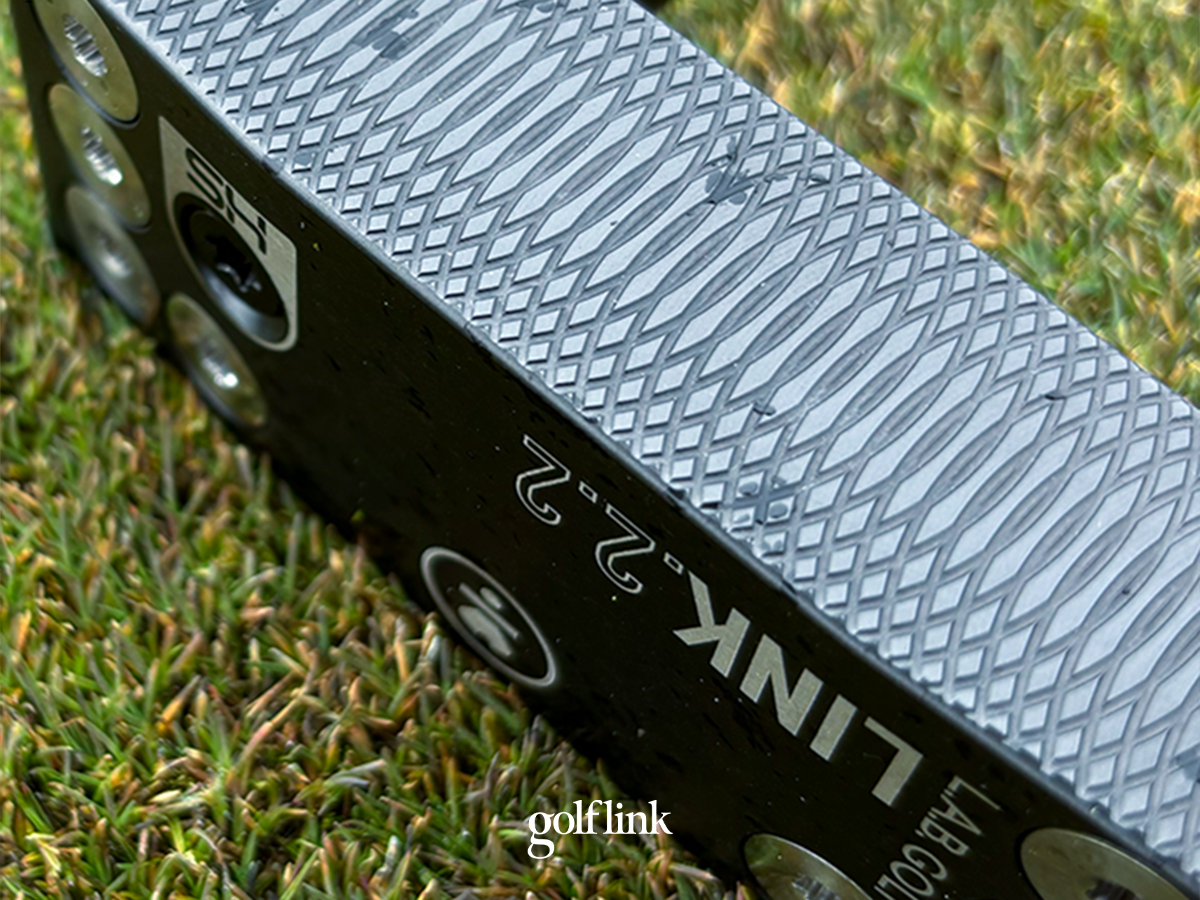
L.A.B. LINK.2 putters have a milled face and 100% 303 stainless steel head
You buy a L.A.B. for point-and-shoot precision. The big question with the LINK.2 line is whether L.A.B. sacrificed any of that signature start-line magic to make a true blade.
They didn’t, and I have the data to back it up.
To test start-line performance with the LINK.2.2, I set up a three-inch gate 18 inches into a 12-foot putt and hit 20 putts. Using the LINK.2.2, I made it through the gate on all 20 putts.
To get a feel for how the LINK.2 compares to other L.A.B. putters, we ran this test side-by-side with the DF3.i, alternating putters every five putts. LINK.2.2 actually beat the DF3.i in this test, I clipped the gate twice with the DF3.i and zero times with LINK.2.2.
L.A.B. Putters By Year: From Struggling Startup to Industry Giant
2. How Does Speed Control Compare to Other L.A.B. Putters?
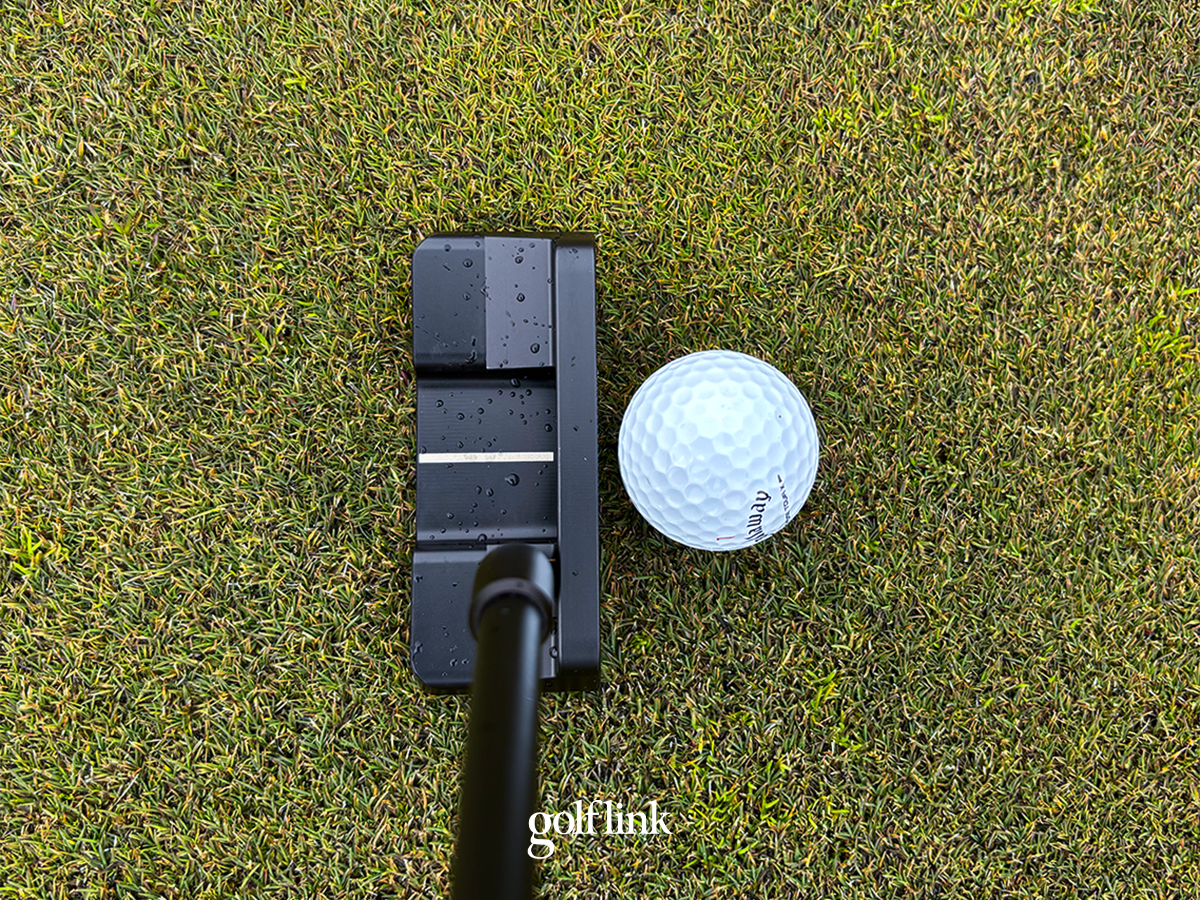
Here's what it's like looking down at the L.A.B. LINK.2.2 putter from address
From long range, LINK.2.2 felt like any other putter. At least at first.
After a couple shaky putts – one short, another long – I settled in nicely.
To test speed control, I hit 15 putts with the LINK.2.2 (five each from 20, 25 and 30 feet), and once I got comfortable, I felt like I could two-putt from anywhere with the LINK.2.2.
To give my distance control test with the LINK.2.2 context, I again tested it alongside the L.A.B. DF3.i, swapping putters after every five putts throughout the identical test. That’s when things got interesting.
My biggest misses with DF3.i consistently finished about a foot closer than my biggest misses with LINK.2.2.
It was the same story with my good ones. For every putt that finished inside two feet with LINK.2.2, I rolled one inside a foot with DF3.i.
My conclusion?
Speed control with LINK.2.2 is pretty good. It’s just not as good as DF3.i.
Speed control, however, is always the last piece to fall into place, so I’ll keep testing these two putters side-by-side before naming an opening-day starter for 2026.
3. How Forgiving is LINK.2.2?

The square back blade style LINK.2.2 is slightly larger than the LINK.2.1, but it's still sleek
How good is LINK.2.2 when you miss the center? To find out, I intentionally hit several putts off the toe and heel – farther off center than anybody who spends $499 on a putter ever will.
I was pleasantly surprised. Heel strikes, especially, held their speed shockingly well.
If you give a putt the right umph but miss it off the toe, you’ll probably come up a revolution or two short.
Miss it off the heel? It might still drop. I holed a couple. Besides the honest feedback that lets you know something went dreadfully wrong at impact, putts behave almost normally off the heel with the LINK.2.2.
If you’ve ever rolled the DF3, you know that putter is built to produce the same speed from the toe and heel as it does from the center. LINK.2.2 comes short of that standard, but it’s more than fair when you miss the middle.
4. How Does LINK.2 Perform on Real Greens?
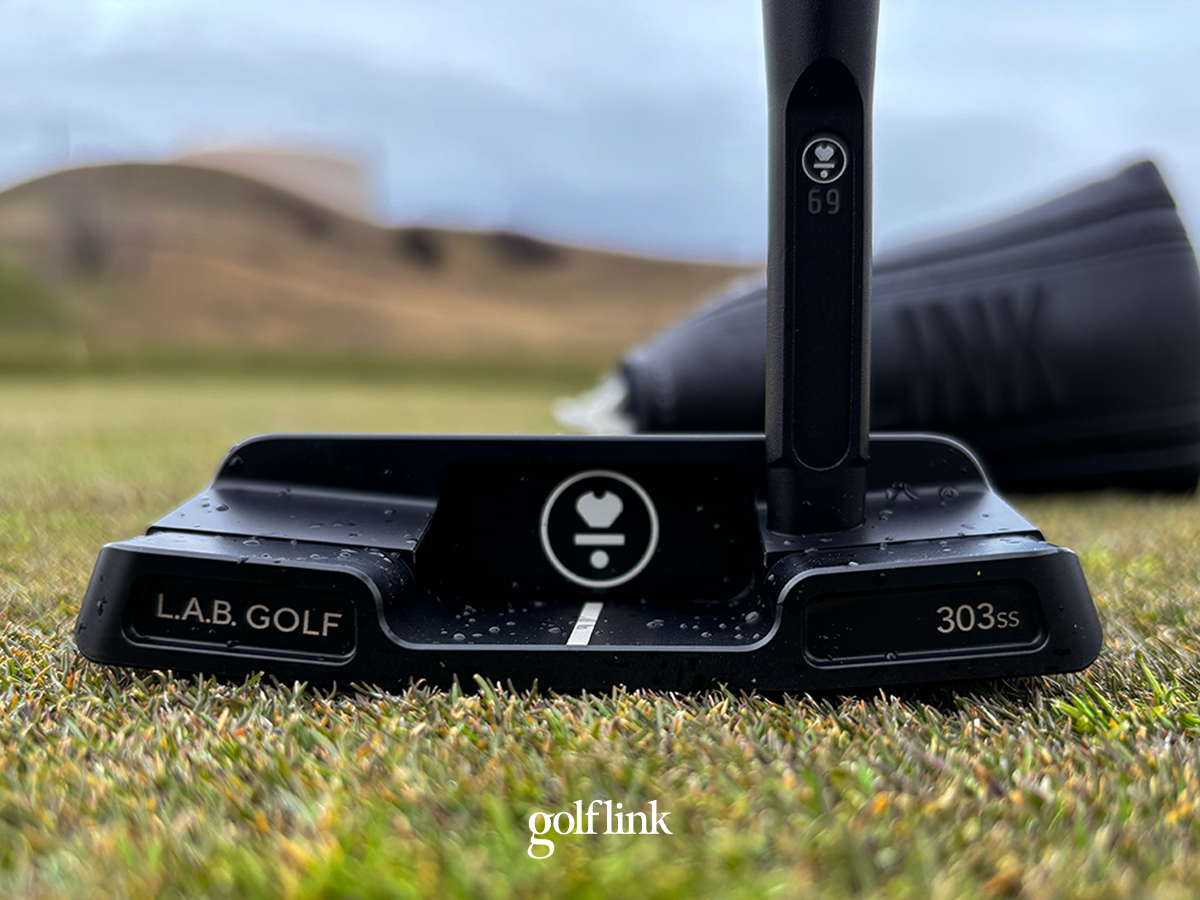
The LINK.2.1 and LINK.2.2 (above) are L.A.B.'s first heel-shafted blade putters
Many L.A.B. putter heads are aluminum, which some people find too soft or too slow on real greens. That’s why L.A.B. created an insert for some of its putters, like the OZ.1i and DF3.i.
That insert is stainless steel.
Well, guess what the LINK.2 (and the LINK.1 before that, we might add) putters are made of? Not aluminum, but stainless steel.
So, if you’re worried that the LINK.2 might feel too soft or too slow outdoors, don’t be.
If you’re wondering if there will be a LINK.2i with a stainless steel insert, forget about it.
5. Is it Worth Switching if You Already Own a L.A.B. Putter?
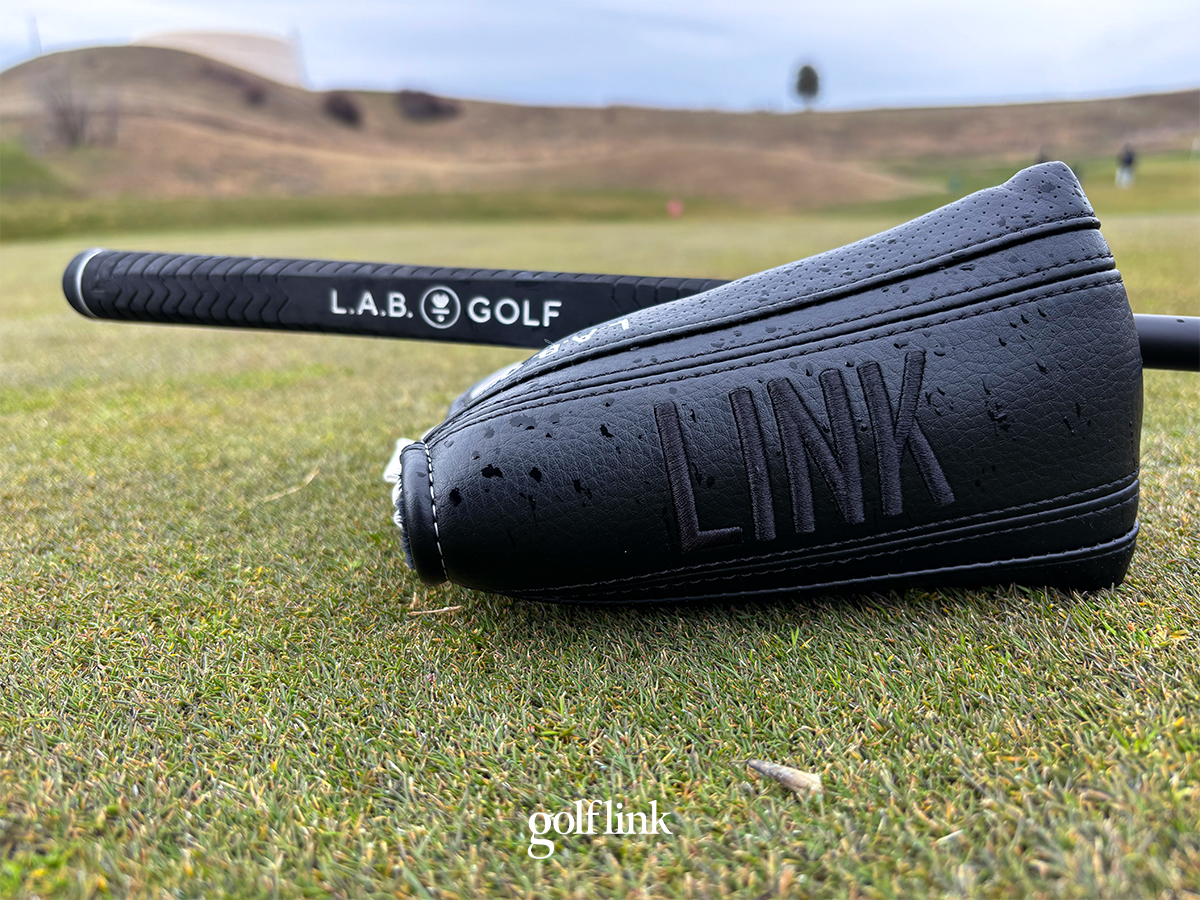
The Lamkin Deep Etched grip and premium head cover are standard with the LINK.2.1 and LINK.2.2 putters
If you already have a L.A.B. putter and you’re considering switching to one of the LINK.2 models, I’m going to assume that you prefer a sleeker-looking putter, but can’t resist the zero-torque performance. Perhaps you feel like you sacrificed your preferred aesthetic in exchange for a performance advantage.
I can’t tell you whether the switch is worth it. That depends on how much you value looks vs performance. I will, however, give you my honest take on the factors that I think weigh the most.
LINK.2’s stunning looks aside, here is what I consider the most valuable information I learned from testing LINK.2.2 alongside DF3.i.
First: LINK.2.2 absolutely delivers the start-line performance you expect from a L.A.B. I proved that with my gate test.
Second: DF3 is undeniably more forgiving on toe and heel strikes. If you call upon that forgiveness routinely, expect to notice a dropoff if you switch from DF3 to the LINK.2 line. If you’re pretty consistently on the center, or slightly on the heel, I doubt you’ll notice.
Lastly: distance control came more naturally to me with DF3.i. But that’s the part of putting that adjusts over a few practice sessions, not a few putts, and varies more from player to player than forgiveness or start-line performance mentioned above.