The Best Drivers of 2025
We tested several of the latest and greatest drivers. Here's our list of the best drivers of 2025.
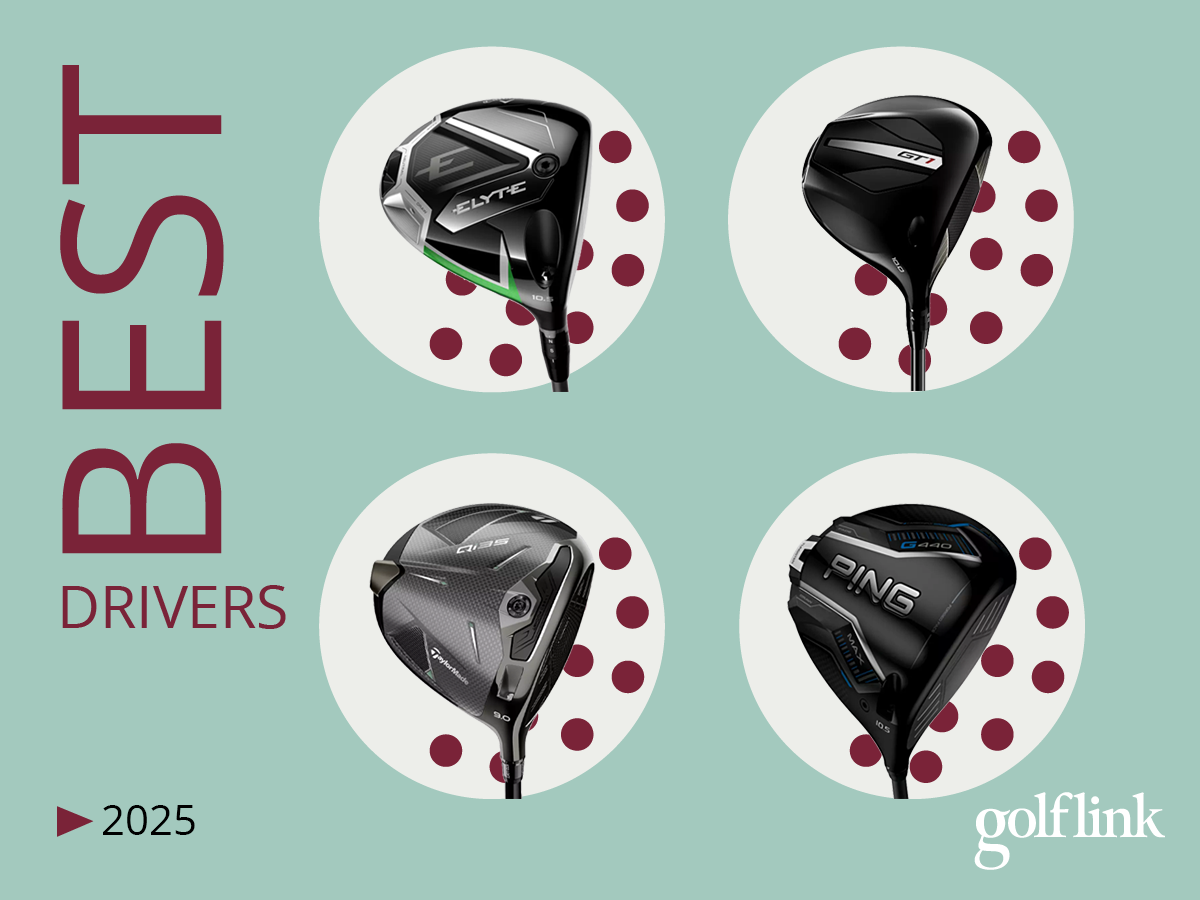
Drivers in golf are like cars. A model that’s two or three years old will certainly get you to where you want to go, and it has plenty of technology. But a brand new car with the latest and greatest? Well, that’s hard to resist, especially if you can afford it.
It’s the same with drivers. Will using the best driver of 2025 immediately improve your scores? Will it really add more accuracy and distance?
Who knows, but it’s always fun to find out if you don’t mind shelling out $600 or more.
In 2025, there are plenty of shiny new drivers from which to choose. Like cars, the latest, for the most part, outperform their predecessors, though it’s important to note that the USGA sets a limit on COR (coefficient of restitution), so they can’t possibly be longer year after year after year.
Even on the professional tours, many players who are paid by these companies are reluctant to immediately switch to the new models. Once you find a favorite, it’s understandable how it might be difficult to move on to a new club. I’ve had favorite drivers that I have played with for years.
If you’re not in love with your driver, the good news is that there’s always a better one around the corner, and this year’s crop of drivers is particularly strong. They’re all adjustable, many have introduced new material or a combination of technologies, they all bump up against the USGA limit for distance, and are very forgiving.
These are the best drivers of 2025 from a crop of the latest and greatest drivers available.
- Callaway Elyte
- Titleist GT1
- Honma TW767
- TaylorMade Qi35
- Cobra DS Adapt MAX-K
- PING G440 Max
- Srixon ZXI
Callaway Elyte Driver
FIND AT CALLAWAYFIND AT AMAZON
Typical Price: $600
Lofts: 9, 10.5, 12
Adjustability: Hosel, weight
Pros:
- Appeals to a wide range of golfers
- Really does go farther than previous Callaway drivers
- Very forgiving
Cons:
- Though the appeal is wide, better players might want to try Elyte Triple Diamond
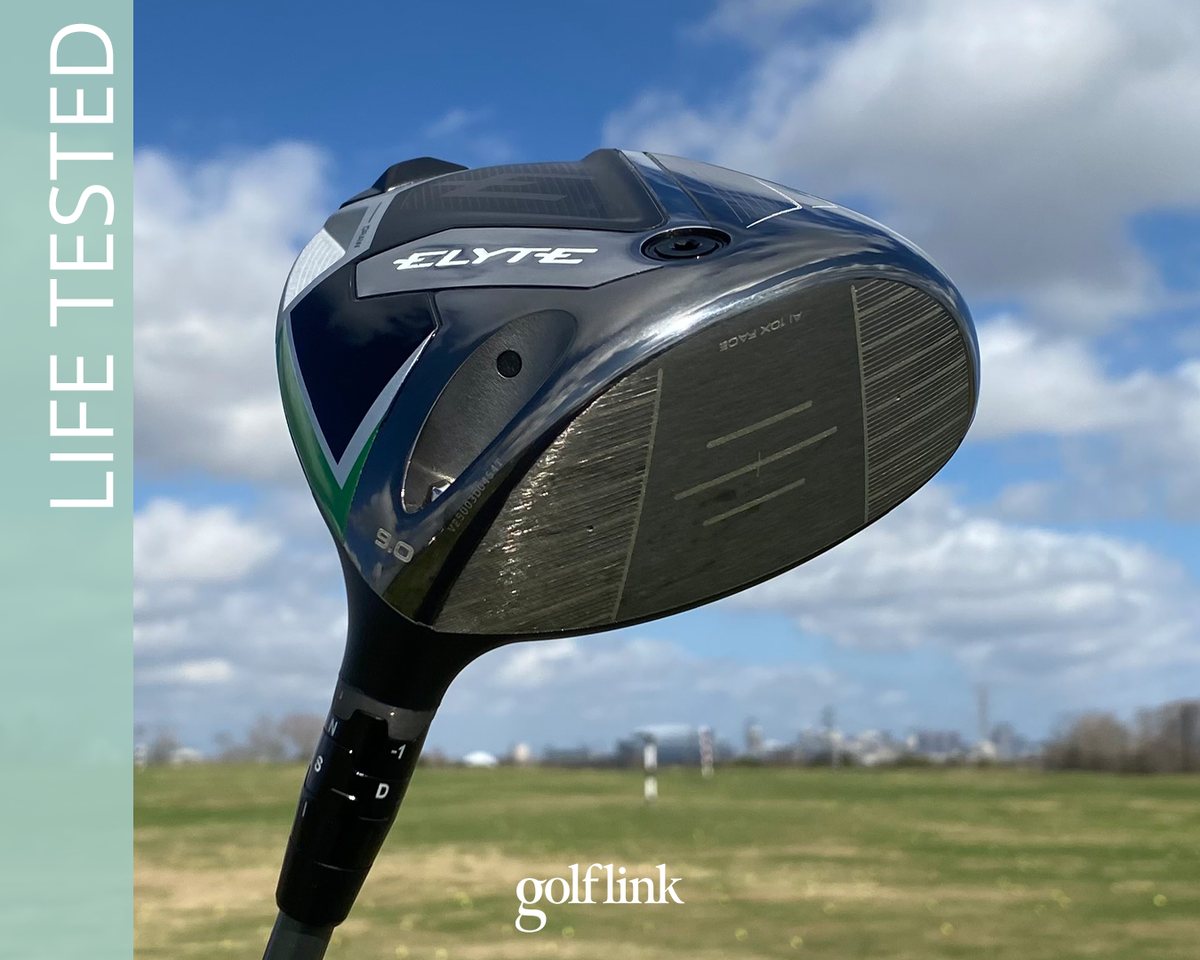
Callaway boasts that its Elyte driver is up to “8 yards longer” than last year’s Callaway Paradym AI Smoke. Quite naturally, when I tested the Elyte (9 degrees with a 50g, 5.5 Danali shaft) on a launch monitor, that was the first thing I looked for.
If it was longer than the AI Smoke, it should be longer than the driver I was playing, right?
Definitely.
On average I gained close to 10 yards of carry and total distance with the Callaway Elyte driver compared to my gamer, a Gen 4 PXG driver that I had been playing for a few years.
That led to three important follow-up questions. Is it accurate it, is it forgiving, and do I like the feel?
The answers to all three were a definite “yes.”
There are a few innovations that make Callaway Elyte such a solid performer. It has a refined shape that is supposed to increase speed. A 13g movable weight in the back and new Ai 10x Face is engineered to optimize spin characteristics and deliver more speed. The new Thermoforged Carbon Crown is also designed to help redistribute weight for more forgiveness and distance.
The bottom line is that the Callaway Elyte driver – which comes in several different models, including a lighter Elyte Fast, and the more tour-inspired Elyte Triple Diamond – is a really solid performer for the majority of players, from scratch to 20 handicap players. I found it very forgiving, long, and I liked how the ball launched off the tee.

The Pros & Cons of a Club Champion Fitting
Titleist GT1
PGA TOUR SUPERSTORE
Typical price: $649
Lofts: 9, 10, 12
Adjustability: Hosel, weight
Pros:
- Super easy to launch
- Lightweight promotes more speed
- Sounds great at impact
Cons:
- Players with faster swing speeds might prefer GT2 or GT3
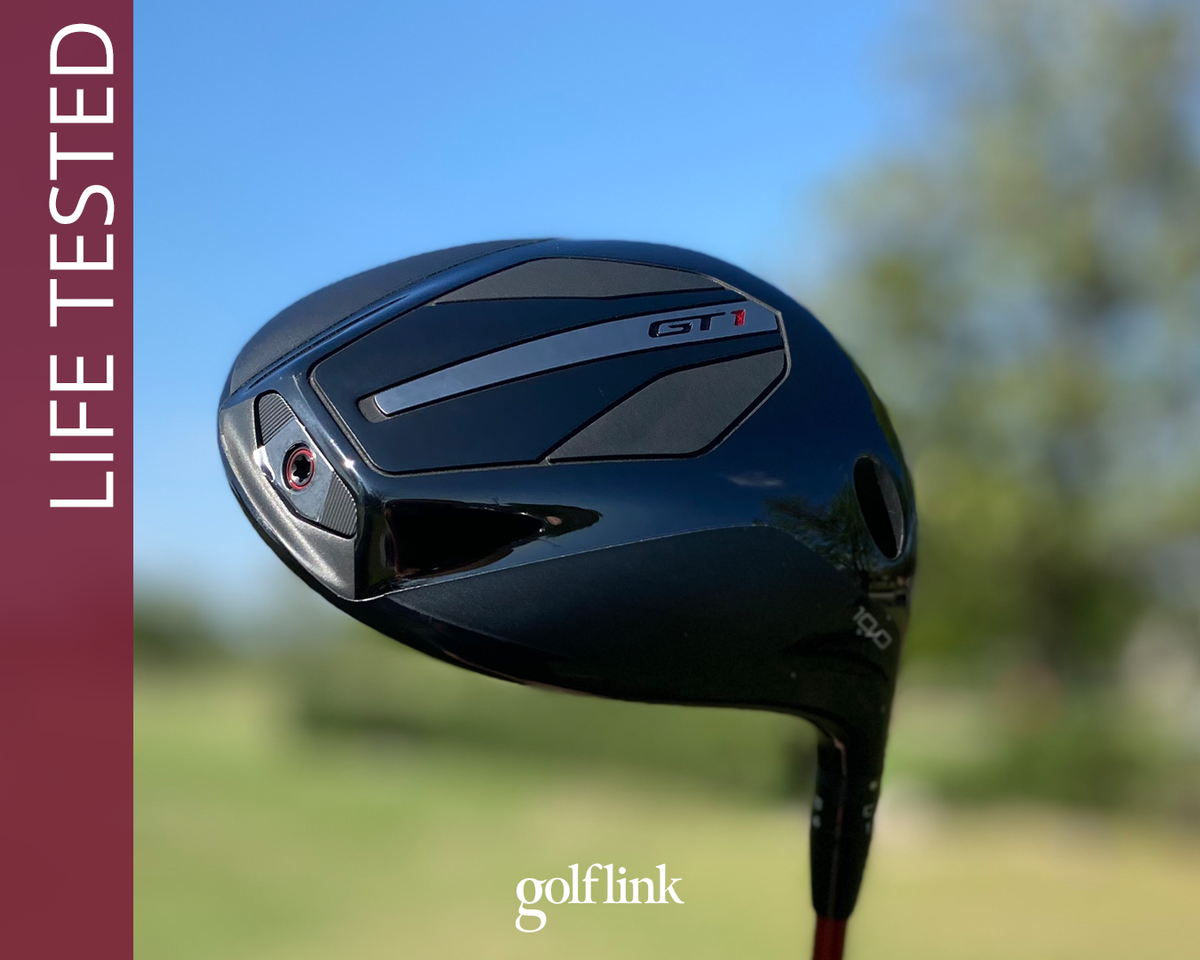
The latest offering in Titleist’s highly successful GT Series, the GT1, should excite a large number of players, especially those with moderate to slow swing speeds.
It features an ultra-lightweight design that seems easy to hit. I put this driver with a 50g 5.5 Denali shaft into play for several rounds, and found it to be super forgiving with a nice high launch, even after adjusting the loft down to 9 ¼ degrees. The high ball flight gave me added carry distance, and I also enjoyed a good roll-out on firm fairways.
I also love the way the GT1 driver sounds and feels at impact. It’s not harsh, and the sound is rather satisfying. That probably has something to do with the new material Titleist uses in its GT family of drivers and woods. When Titleist replaced its popular TSR family, it went from all titanium to a newly developed material they refer to as a “proprietary matrix polymer" in the crown.
The GT1 is the newest of the four GT drivers, which also includes: the GT2 (the most forgiving with a big, stable head); the GT3 (mid-launch, classic pear-shaped head that’s more workable); and the GT4 (less forgiving, designed for high swing speeds).
Besides the new crown material, the GT series also features strategic weight placement at the perimeter of the clubhead and ATI Speed Ring construction with Variable Face Thickness to maximize ball speed across a larger portion of the face. The GT1 has the deepest center of gravity of all the GT models.
The Best Drivers for Senior Golfers in 2024
Honma TW767
FIND AT HONMA
Typical Price: $650
Lofts: 9, 10.5
Adjustability: Hosel, weight
Pros:
- Ball jumps off the face
- Very stable feeling
- Standard shafts are premium
Cons:
- Could use another loft option
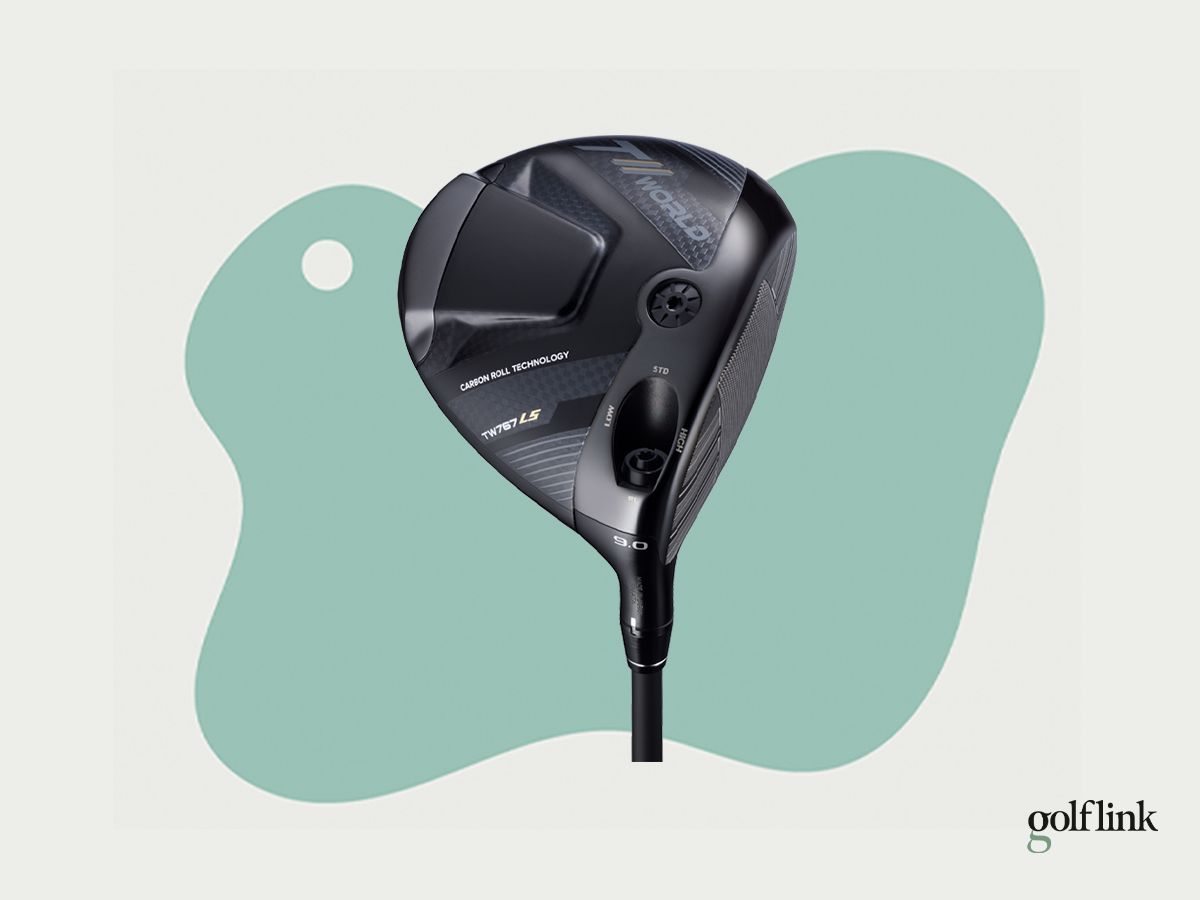
I had a chance to hit the TW767 at the range while collecting data from Toptracer, and the results were as good as any driver I have tried this year.
At one point, I got to 152 mph of ball speed, which is the highest I’ve recorded this year (and a lot for a senior golfer). Simply put, the ball jumped off the face, which in the case of the Honma TW767 is high-speed titanium with variable thickness and a forged face cup that the company says makes it 11.1 percent stronger than previous models.
The design is supposed to boost ball speed and enhance forgiveness, which I confirmed in my testing.
In addition, this driver features a carbon-rolled seamless body that shifts weight to the center and rear for higher launch and more ball speed. It’s paired with hand-rolled premium shafts that are spined with the hosel.
The hosel can be adjusted one degree either way, which can lower the lie angle by 2 degrees but still maintains the shaft orientation. Plus, there’s a rear adjustable weight if you want more draw bias, for example.
TaylorMade Qi35
PGA TOUR SUPERSTOREFIND AT AMAZON
Typical Price: $600
Lofts: 9, 10.5, 12
Adjustability: Hosel, weight
Pros:
- Lots of design technology
- Very forgiving
- Plenty of ball speed
Cons:
- Round shape may not appeal to everyone
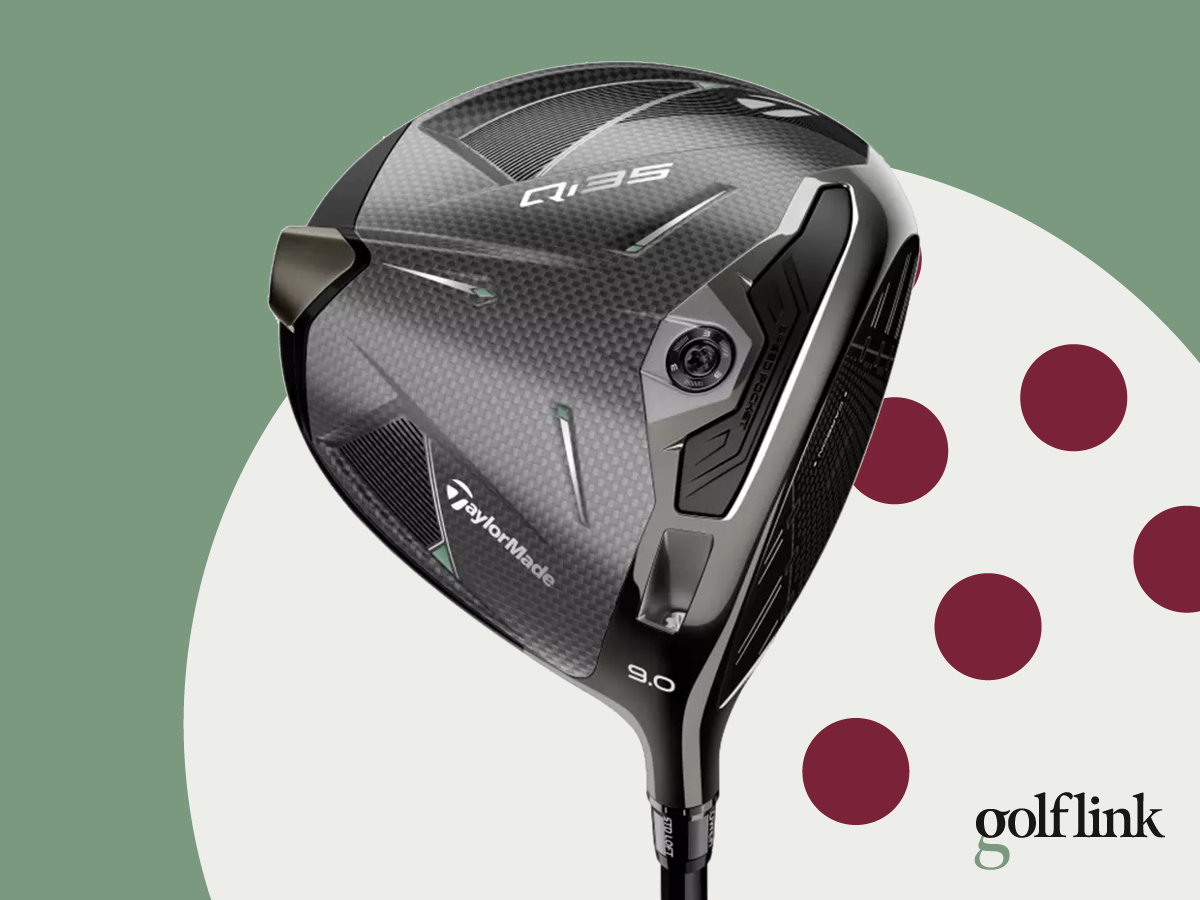
Following the success of last year’s Qi10, TaylorMade’s Qi35 is a step up in terms of looks, forgiveness, and distance.
There are basically three models of the Qi35, which also include the low spin LS driver and Max, which is designed for maximum forgiveness. But the basic Qi35 is the driver that fits the widest profile of players, offering new levels of performance.
If you’re looking for a driver that’s both forgiving and long, there are plenty of options on the market, and the Qi35 is one of the best choices. It begins with the five materials used in the head construction – chromium, carbon, steel, aluminum, and titanium – and how they’re distributed to get the best performance out of the driver.
The Qi35 Trajectory Adjustment System also has two movable weights that let golfers adjust spin and shot shape control. With the weight in the back position, dispersion is 13 percent tighter. Meanwhile, TaylorMade claims that putting the weight in the forward position add five yards of distance.
Finally, the Qi35 has what the company calls High Inertia Shape, which incorporates TaylorMade technologies like Twist Face, Thru-Slot Speed Pocket, a 4-degree loft sleeve, and an Infinity Carbon Crown.
Cobra DS Adapt MAX-K
PGA TOUR SUPERSTOREFIND AT AMAZON
Typical Price: $549
Lofts: 9, 10.5, 12
Adjustability: Hosel, weight
Pros:
- More adjustability than just about any driver on the market
- Very forgiving
- Nice shape and appearance
Cons:
- May not appeal to players with high swing speeds
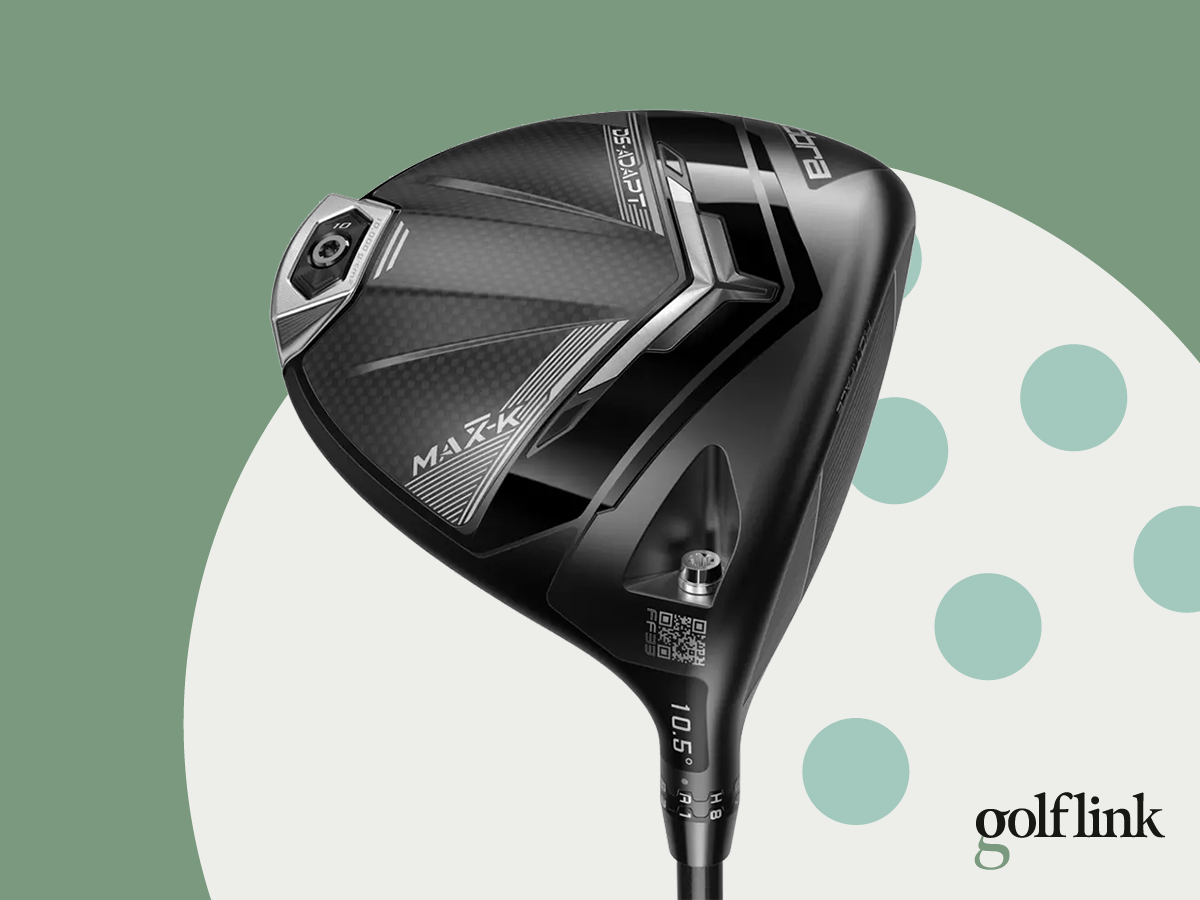
The Cobra DS Adapt MAX-K is a super forgiving driver with up to 10K of MOI, which other manufacturers are purporting in their drivers as well.
What sets the Cobra DS Adapt family of drivers apart, however, is its incredible adjustability and models that fit just about every profile of player.
The DS Adapt Max-K probably fits most players the best. It has the highest MOI of any of the DS Adapt models, which also include the X, LS, and MAX D. (The MAX D has a draw bias, which could also be beneficial for a large number of golfers.)
The coolest part of this line of drivers is something called FutureFit33, which provides 33 unique loft and lie settings to zero in your ball flight. Loft and lie can be adjusted plus or minus 2 degrees in any direction, while the club’s SMARTPAD design enables the face angle to remain square regardless of the setting.
In addition, the MAX-K uses an external fixed back weight and internal back weight pad to position the center of gravity as low and back as possible to drive up the MOI, producing a really stable and forgiving head.
The Best Budget Drivers of 2024 Under $150, $200 & $300
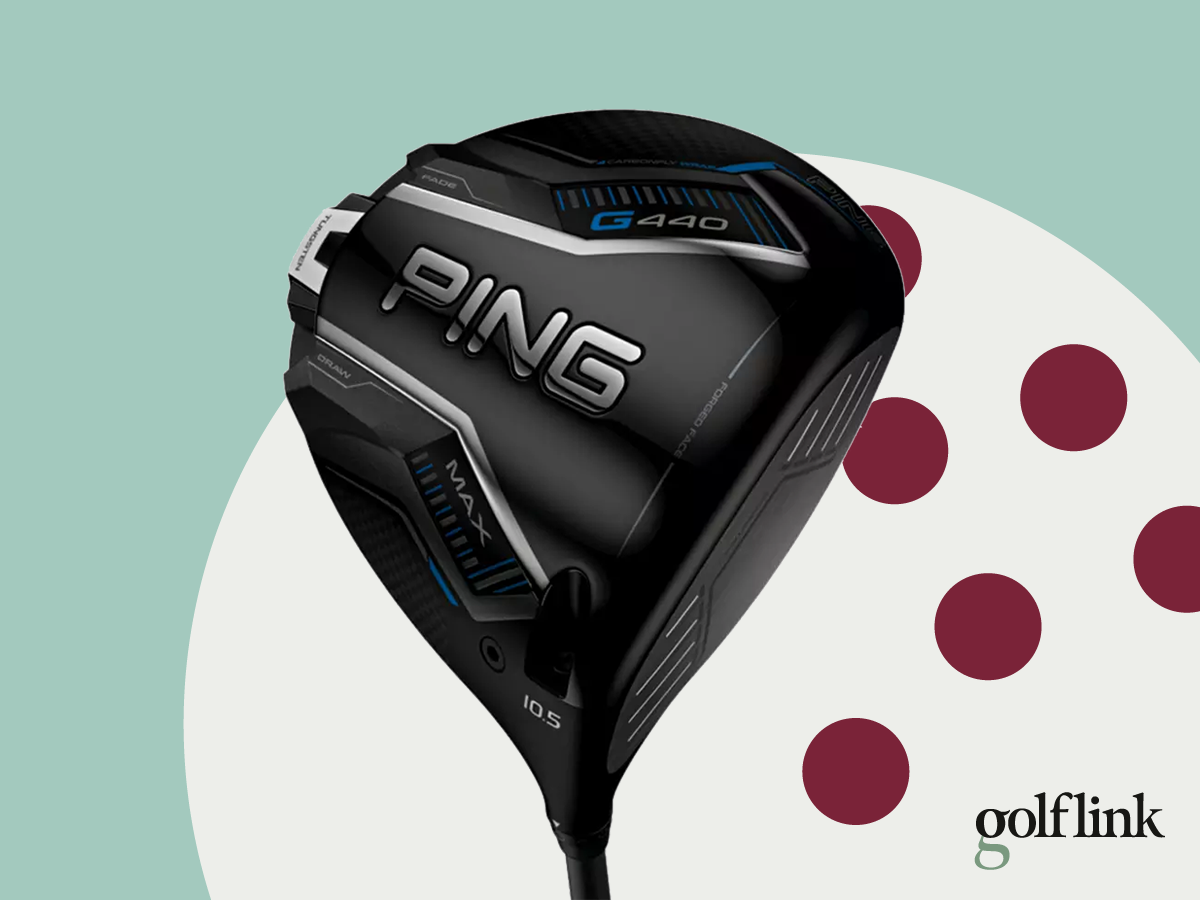
PING G440 MAX
PGA TOUR SUPERSTORE
Typical Price: $600
Lofts: 9, 10.5, 12
Adjustability: Hosel, weight
Pros:
- Very forgiving
- Nice muted sound at impact
- Produces neutral ball flight with plenty of distance
Cons:
- Looks don’t appeal to everyone
The latest from PING’s incredibly popular and well-performing G Series is the most forgiving G440 model, the MAX, which has a hotter face to generate speed and distance, plus an overall lighter system with a longer 46-inch shaft to help increase clubhead speed.
PING engineers removed some weight from a section of the hosel and reallocated it to create the lowest center of gravity to date in a PING driver. The result is more forgiveness. Plus, with its Carbonfly Wrap crown (which also saved weight), the driver makes a muted, pleasant sound upon impact, adding to the confidence many players get with this club.
There are also more options to dial in ball flight and shape preferences, including an eight-position hosel that allows for loft adjustments up to 1.5 degrees, and lie adjustments up to 3 degrees flatter than standard. A 29-gram back weight can be adjusted into three positions – neutral, fade, or draw. In addition to the MAX, the new PING 440 is also available in the SFT (straight flight), LST (low spin), and HL (high launch) models.
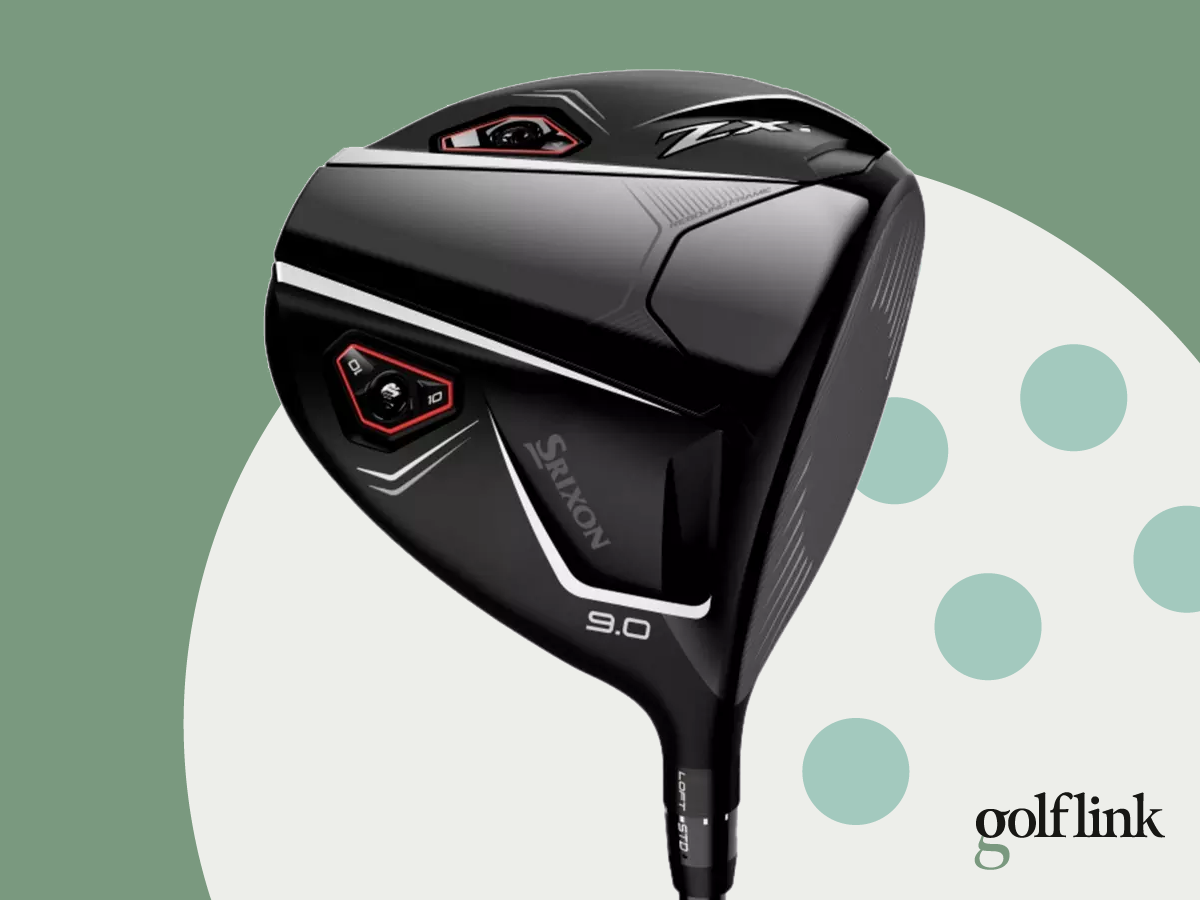
Srixon ZXi
PGA TOUR SUPERSTORE
Typical Price: $550
Lofts: 9, 10.5
Adjustability: Hosel, weight
Pros:
- Better looking than its predecessors
- Performance comparable to best drivers on the market
- Very forgiving
Cons:
- Another loft option would be nice
While Srixon is certainly a respected equipment brand worldwide, it can often be overlooked by recreational golfers, but it shouldn’t be. That holds true for their high-performing ZX irons, and the company’s newest driver, the Srixon ZXi, should warrant consideration as well.
This is an improvement over its predecessor, the ZX7 MK II, both in terms of performance and aesthetics. The ZXI features an all-new i-Flex face, which has a unique shaping and internal structure to allow unobstructed flex across the clubface, which is also thinner. The combination translates into more ball speed.
There are also two adjustable weights in the sole that allow you to change the swing weight and perhaps your ball flight. And the overall cleaner appearance of the clubhead is just visually more appealing. For players who might need a lower spin version of the ZXi or one with draw bias, Srixon also offers the ZXi LS and ZXi MAX models.
The Bottom Line
If you’re considering a brand new driver, you’re talking about a rather large investment. Our best advice is not to buy one off the rack unless you are very sure of your specs.
Even then, it’s best to get a professional fitting. In my case, I went through a Titleist fitting, and my fitter wasn’t sure if the lighter GT1 (for moderate to slower swing speeds) or the GT2 (designed for maximum forgiveness) was the better choice for me. In the end, he thought the GT1 was a better fit for me because of how well I launched it, and the increased carry distance I had with it would be better in most situations.
Also, a fitter can help you dial in a shaft, which isn’t just about flex. It’s also about the kick point and how and when it helps launch the face into the ball. While the standard shafts offered with most of these drivers are pretty good, if you’re willing to upgrade, you can put together a combination that will serve you well for a few years, and you don’t have to go looking for another new driver next season.