The 7 Best Golf Drivers for High Handicappers in 2025
Need slice-fighting driver? These 7 drivers can help high-handicappers hit more fairways.
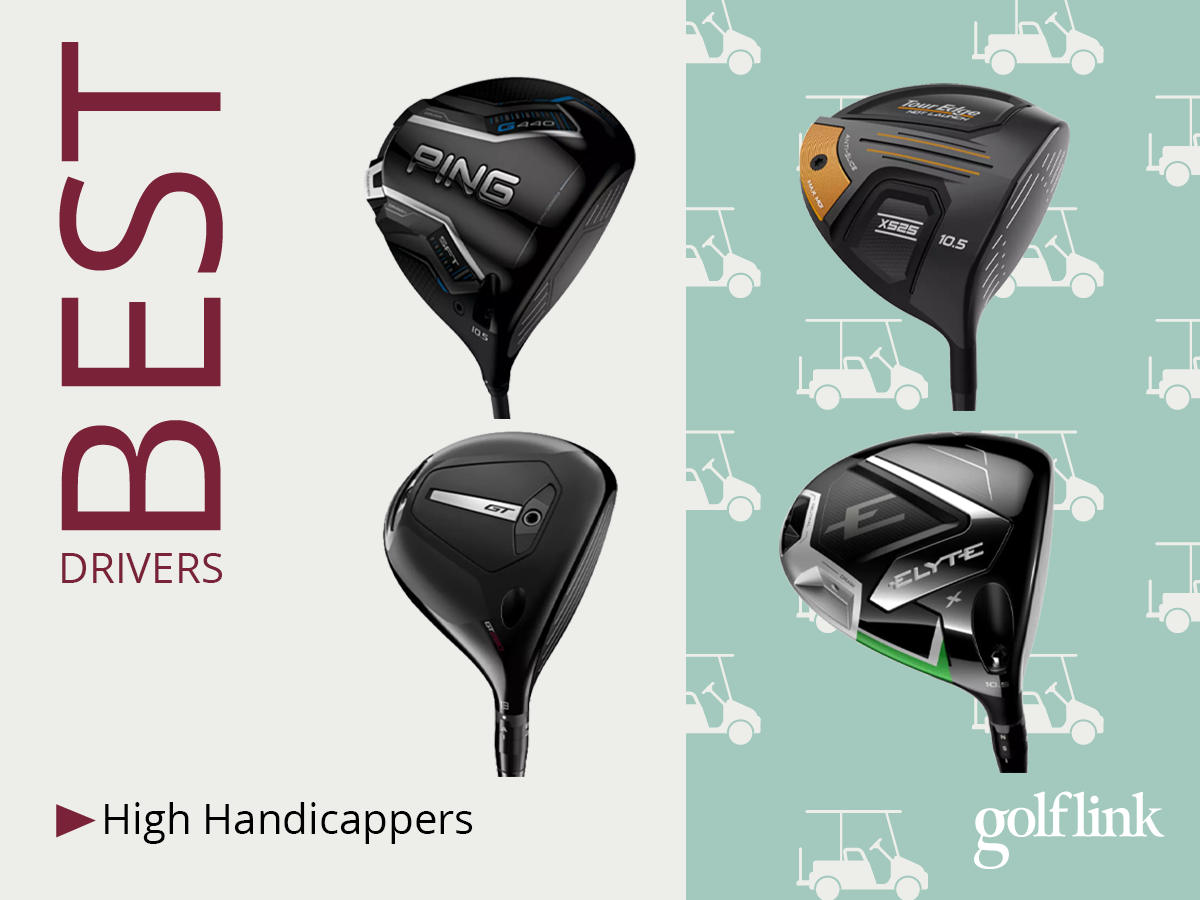
Let’s face it. If you’re a high-handicapper, the driver might be one of the most challenging clubs in your bag.
After all, it has the straightest face, the longest shaft, and the most potential for curving off the golf course.
That's why we've rounded up the best drivers for high handicappers.
Not all high handicappers have the same tendencies, but in general, players who can’t break 100 regularly probably slice the driver and don’t hit it that far. Which means the standard driver – whatever it is – even with the latest technologies, is probably not the best option.
Fortunately, nearly all major manufacturers offer a version of their latest drivers with design characteristics that are best suited for players who struggle off the tee. In a nutshell, it’s usually some sort of draw bias or slice correction built into the club. If you slice the ball, you should check into that.
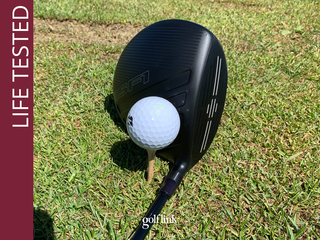
There are other options as well. For many players, traditional drivers, even ones with slice correction, might not be the best option. That’s why you see alternative drivers on different websites like the “SF1” from Performance Golf. While I didn’t include the SF1 on this list, there are a couple of nontraditional drivers covered here that certainly warrant consideration.
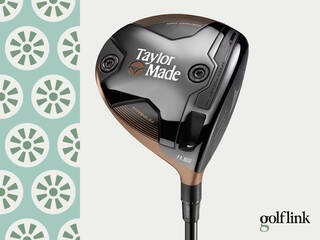
One of them is a mini-driver, and several manufacturers offer them. On the surface, you might think a mini driver is only good for the tour pros, but they are easier to square up with their smaller head sizes and shorter shafts.
Truthfully, many high handicappers would be better off hitting a fairway wood off the tee than most drivers, because a driver can be tough to square up because of its size. If you come in with a wide-open clubface, it doesn’t matter how much draw bias is built in; you’re going to slice it. Also, there’s an argument that a mini-driver is easier to hit off the tee than a 3-wood.
With that said, these are, in our opinion, the seven best golf drivers for high handicappers. If you need help finding the fairway off the tee, these are worth considering.
- PXG Wildcat
- PING G440 SFT
- Titleist GT 280
- Callaway Elyte X
- TaylorMade Qi35 Max D
- Cobra DS Adapt MAX
- Tour Edge Hot Launch X525
PXG Wildcat
SHOP PXG
Typical Price: $300
Loft: 16 degrees
Adjustability: None
Pros:
- Easy to launch
- Goes straighter than most
- Distance is impressive
Cons:
- May be too much loft for players with high swing speeds
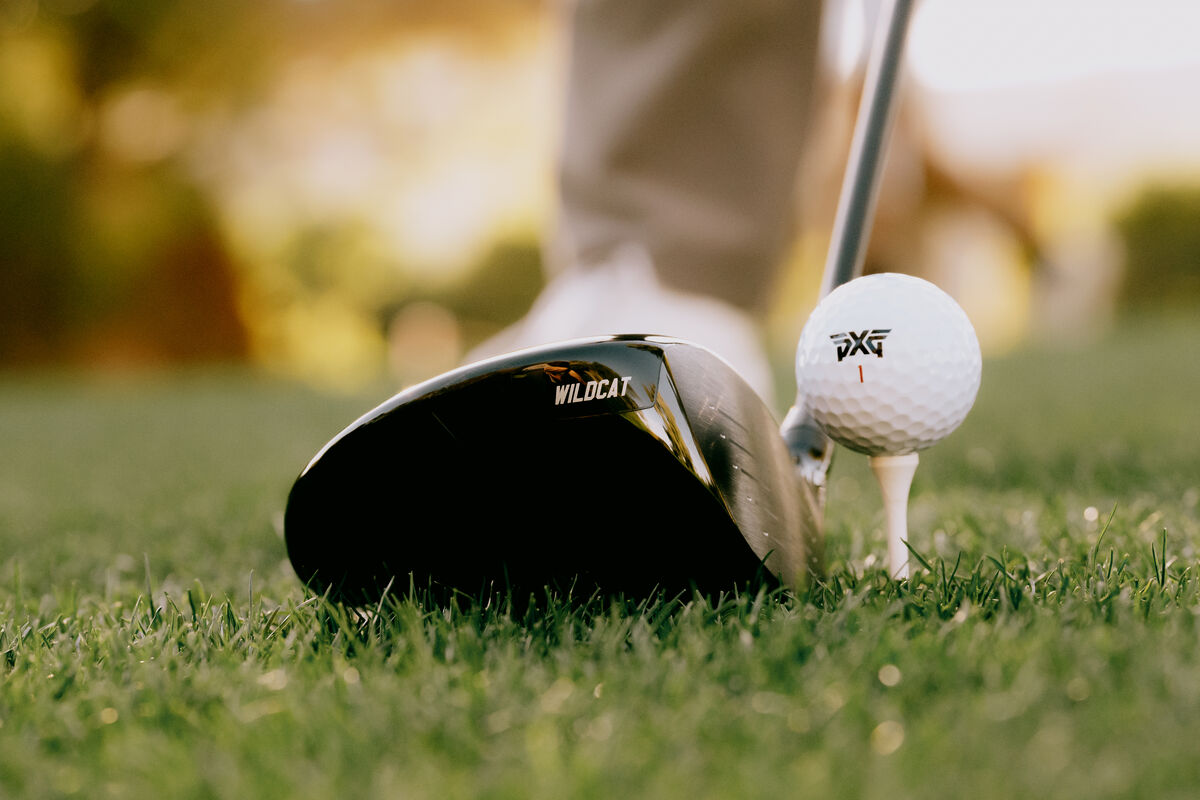
The PXG Wildcat has cracked the formula for forgiveness. More loft, a wide, forgiving face, and a slightly shorter shaft length make this club fairly easy to hit for players of all levels, especially if you don’t have a lot of swing speed.
The Wildcat driver (you can purchase an entire set of Wildcat clubs for maximum forgiveness through the bag) has 16 degrees of loft, which not only makes it easy to get up in the air, but it also cuts down on sidespin, which is the no. 1 enemy of most high handicappers who tend to slice.
A wide titanium face is not only forgiving but also produces plenty of ball speed, so despite the loft, these drivers are fairly long. Though most high handicappers probably never considered hitting a driver “off the deck,” the Wildcat is easier than most other drivers to hit off the turf.
Again, the shaft is a little shorter than most at 44 inches, which makes it easier to square. A lot of golfers could probably benefit from a shorter shaft in their drivers for more control and precise contact.
Best of all, the folks at PXG are superb clubfitters. If you’re considering this driver, it’s a good idea to visit one of their facilities to dial in the right shaft
Finally, when it comes to beginners and high handicappers, I’m a big advocate for not spending a lot of money. At $300 MSRP, this is a budget driver by today’s standards.
The Benefits of a Shorter Driver Shaft & How to Shorten Yours
PING G440 SFT
SHOP PGA TOUR SUPERSTOREFIND ON AMAZON
Typical Price: $600
Lofts: 9, 10.5 degrees
Adjustability: Hosel, weight
Pros:
- Produces exceptional distance
- Easy to draw
- Great for faster swing speeds
Cons:
- Appearance doesn’t appeal to everyone
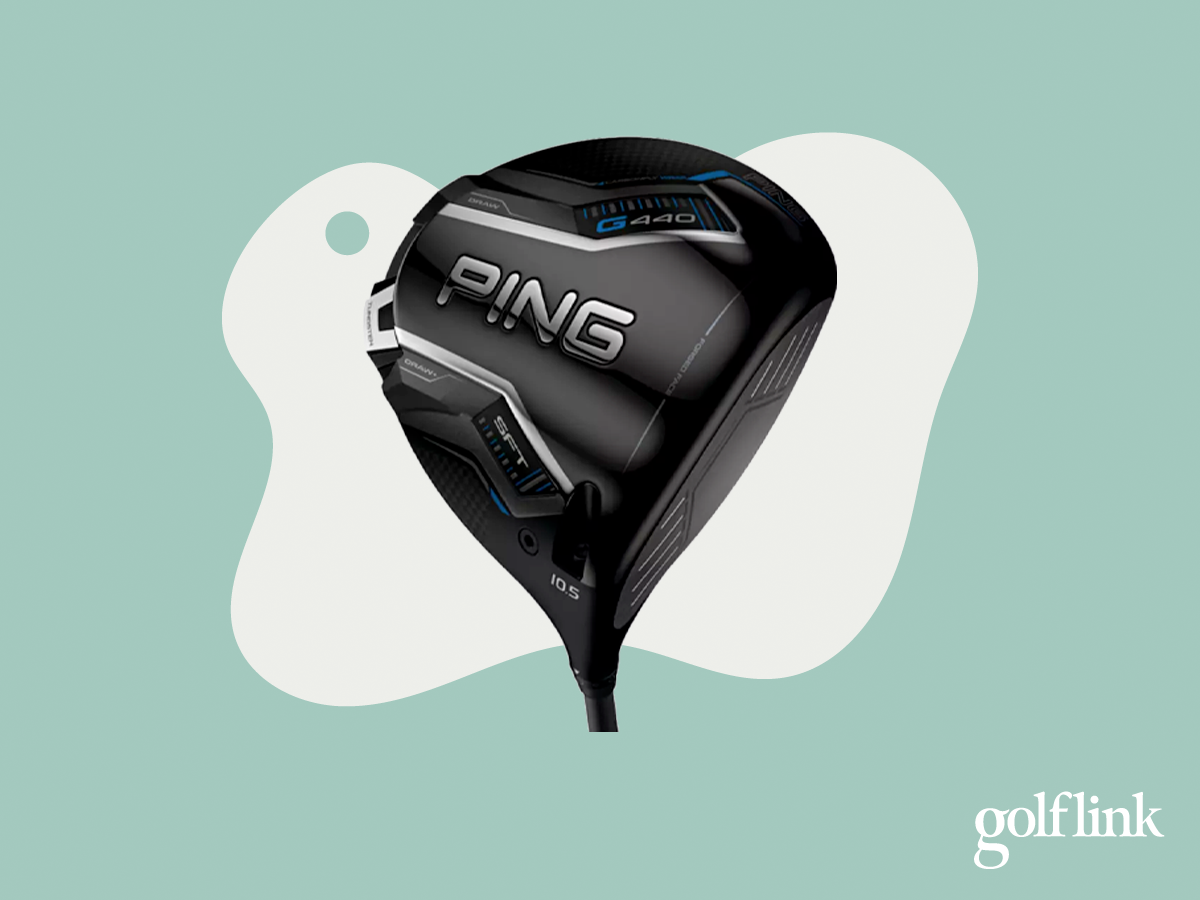
If you’re looking for distance and plenty of forgiveness, especially if you slice the ball, the PING G440 SFT (straight flight) might be the ticket.
It has a hotter face, lighter weight, and a longer shaft than its predecessors, so it produces plenty of distance.
For slicers, the most appealing aspect has to be the draw and draw-plus settings. The head itself has a draw bias built into it, and the back weights of this club promote plenty of draw, and can be set for maximum draw. The club’s new Free Hosel and Carbonfly Wrap save weight to create the lowest CG ever in this club to increase forgiveness and improve launch conditions.
The G440 SFT, however, doesn’t necessarily greatly benefit slow swing speeds, although the 10.5-degree version does launch pretty high because of the center of gravity location. The good news is that if you’re a high handicapper with a lot of clubhead speed, the G440 SFT is now offered in 9 degrees, which will keep the trajectory down a bit.
The bottom line is that with this driver, it’s easy to keep your drives on course.
SF1 Driver Life-Tested Review
Titleist GT280 Mini
PGA TOUR SUPERSTORE
Typical Price: $500
Lofts: 13 degrees
Adjustability: Hosel, weight
Pros:
- Easier to square up compared to 460cc drivers
- Generous loft makes it easy to launch
- Easy to hit off the fairway, too
Cons:
- Lower distance potential than most full-size and lower lofted drivers
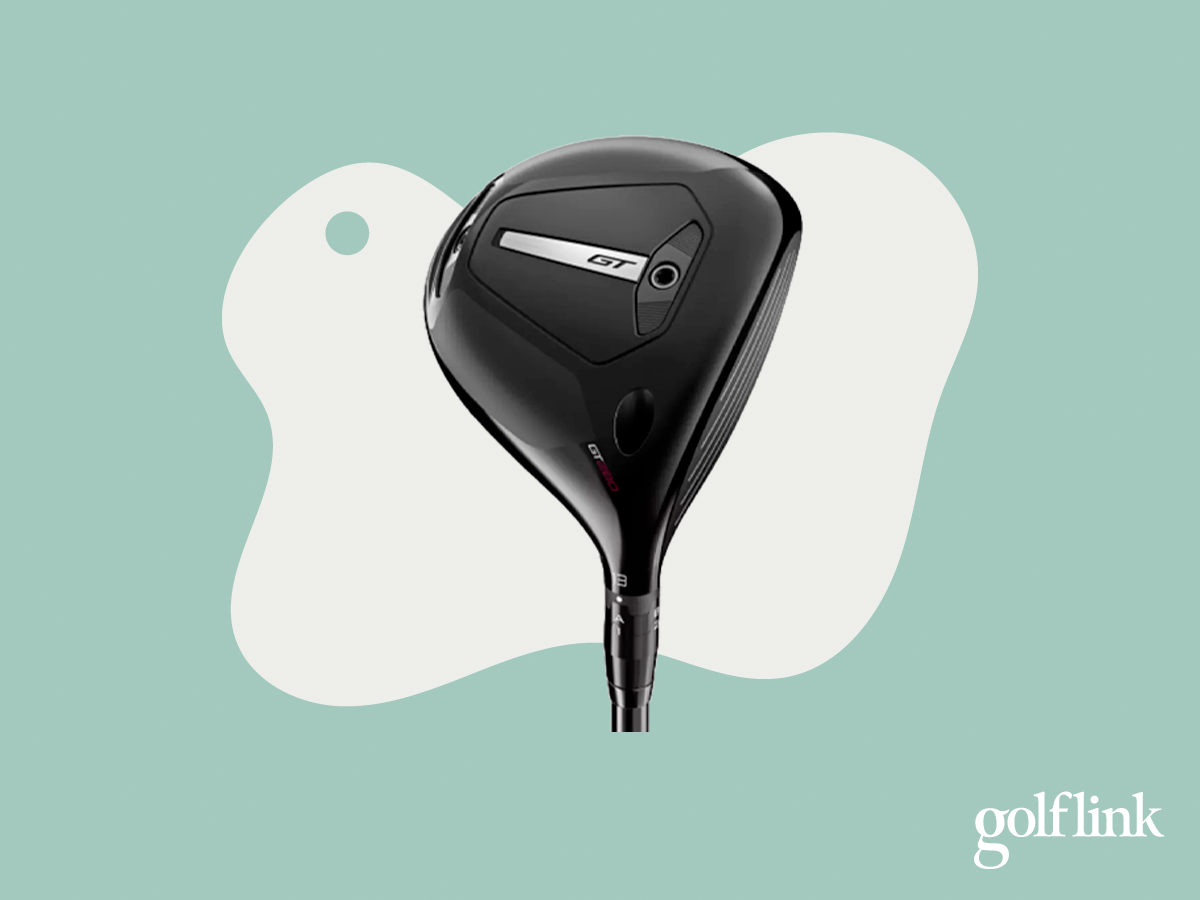
Is the Titleist GT280 Mini Driver a driver? Well, it would have been 20 years or so ago when driver sizes were a little over 300cc, not 460cc. I was much younger then, but I’ve never hit a driver as far as I did my Titleist 975 JVS, which was pear-shaped and 312cc. I found it very easy to square up and manipulate, unlike many of the modern drivers.
Was it as forgiving as today’s drivers? Probably not, at least in terms of off-center hits, but I found it pretty easy to hit.
These mini drivers, like the Titleist GT280, harken back to those days a bit, though admittedly, at 13 degrees, it’s really a 2-wood. But so what? Most high handicappers would be better off hitting a fairway wood off the tee anyway, and the GT280 is easier to hit off the tee than many 3-woods. Plus, it has plenty of technology, including a Seamless Thermoform Crown and an L-Cup Face, which are pretty hot.
It’s also adjustable with two movable weights and Titleist’s SureFit Adjustability, which allows you to adjust the loft and clubface (perhaps for draw bias). The shaft is only 43.5 inches long, so it’s easier to swing. The bonus is that if you ever thought about hitting the driver off the deck, the GT280 has a flatter sole than most drivers, making it pretty easy to play off the fairway.
Mini Drivers: Inside the Niche History & Surging Future
Callaway Elyte X
PGA TOUR SUPERSTOREFIND ON AMAZON
Typical Price: $600
Lofts: 8, 10.5, 12 (for RH) degrees
Adjustability: Hosel, weight
Pros:
- Helps encourage a draw
- Produces plenty of distance
- Very forgiving
Cons:
- Too spinny for faster swing speeds
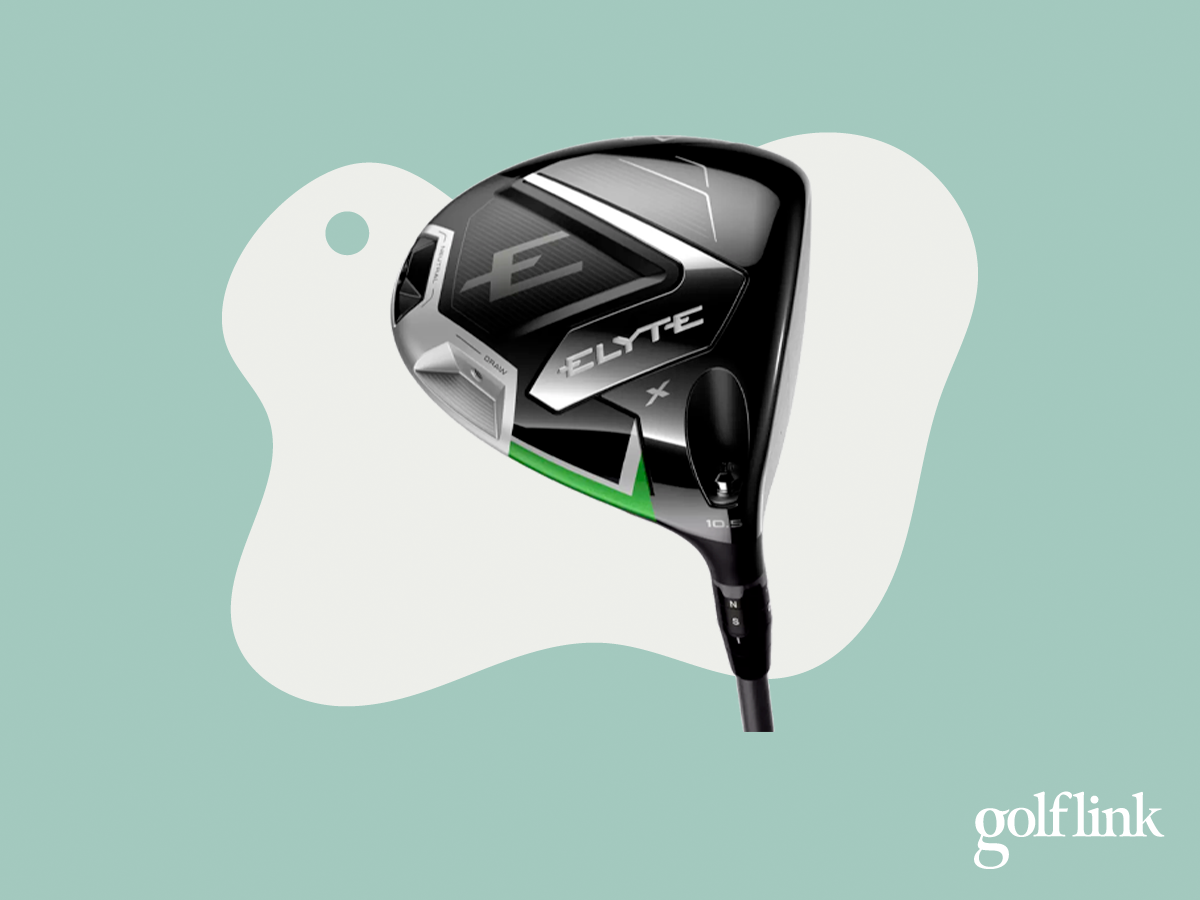
The Callaway Elyte drivers, in general, have a great feel, produce plenty of distance, and look pretty darn good at address. For players seeking forgiveness and slice correction, the Callaway Elyte X is a good solution.
The key is the 13-gram weight that sits in one of two ports in the back of the clubhead. By moving that weight, you can set it on a neutral or draw setting, the latter of which generally benefits high handicap players.
The Elyte X produces the most spin of any of the Elyte models, which helps it stay in the air longer. That’s not necessarily a trait that would benefit a player with a lot of clubhead speed, but many high handicappers are not in that category and could use the extra carry, even if it doesn’t cut down on curvature.
All the Elyte drivers feature a new “Thermoforged” carbon crown that produces high ball speeds and optimal launch conditions. The X just helps players who need a little bit more directional help.
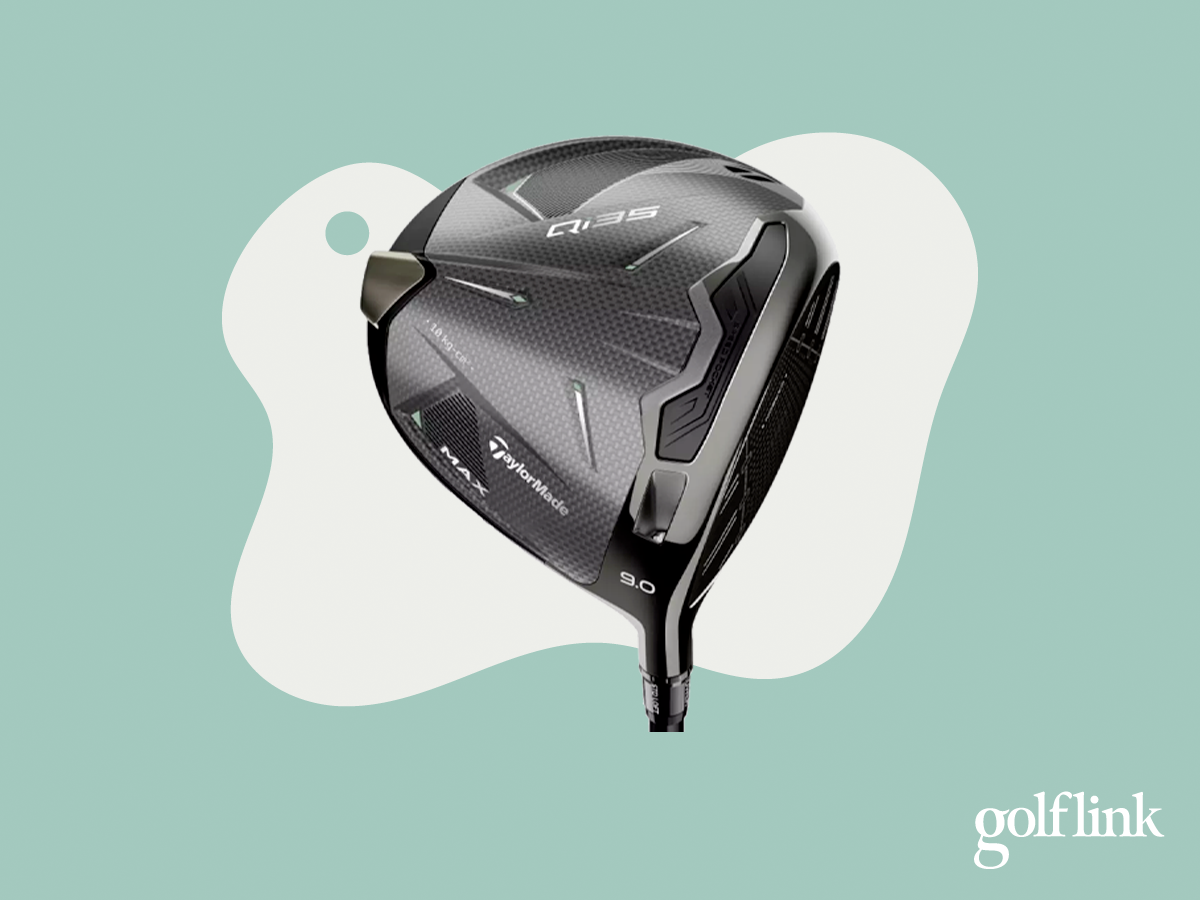
TaylorMade Qi35 Max
PGA TOUR SUPERSTOREFIND ON AMAZON
Typical Price: $600
Lofts: 9, 10.5, 12
Adjustability: None
Pros:
- Very forgiving
- Hot face produces plenty of distance
- Visually appealing
Cons:
- Not adjustable
While the TaylorMade Qi35 core drivers are very forgiving (and adjustable), the Qi35 Max, as you might imagine, is the most forgiving and suited for higher-handicap players.
It achieves this in part by locating a 34g weight lower and further back in the clubhead to optimize MOI and ultimately forgiveness. It also reduces spin (but not too much), which isn’t a characteristic many of the most forgiving drivers have. That reduction of spin can mean a reduction of curvature, which should produce straighter shots.
And while it doesn’t have the draw bias of some of the other models on this list, straighter is something all of us can appreciate.
As for the head itself, we’re talking 10K of MOI, which is a lot. Translation: You can strike it all over the face and still get pretty good results. There’s also a Qi35 Max Lite, which is ideal for golfers with slower swing speeds.
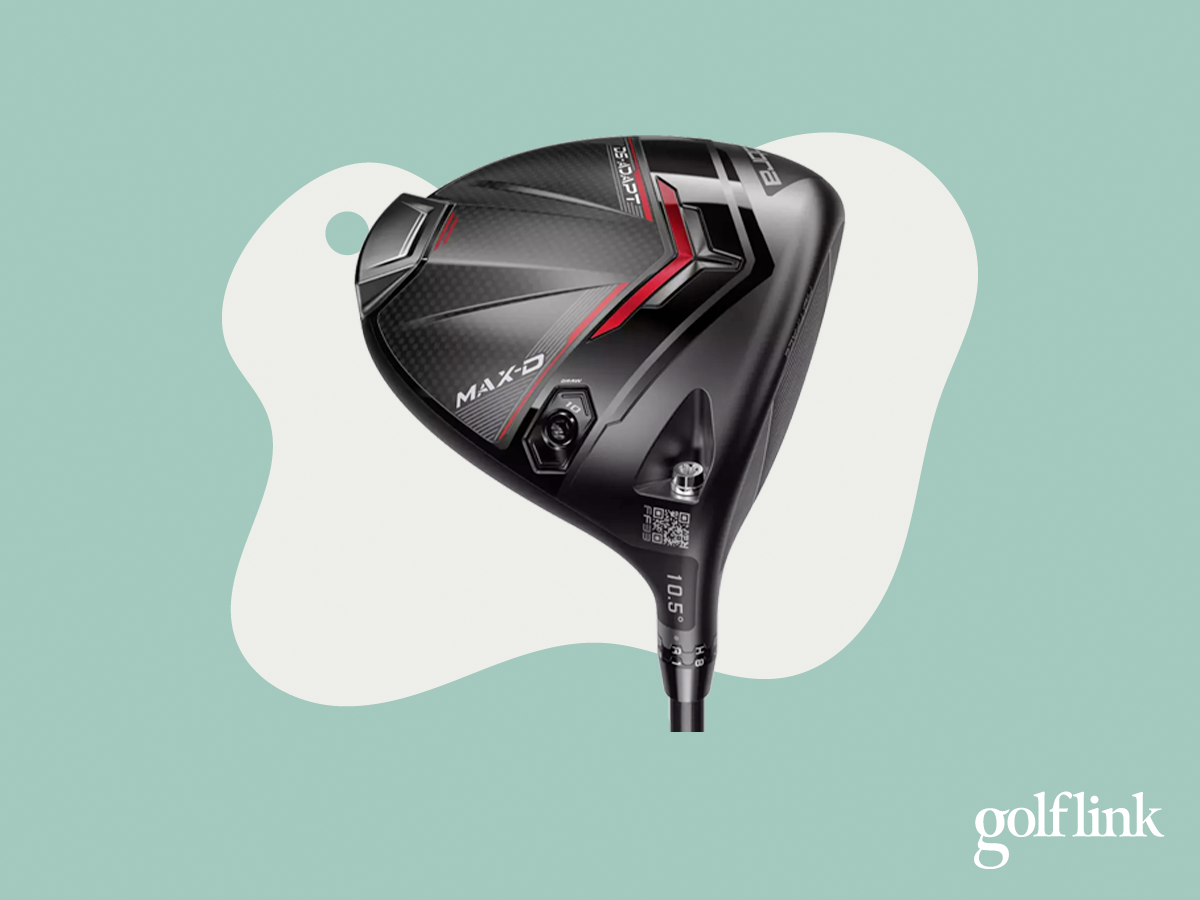
Cobra DS Adapt MAX-D
PGA TOUR SUPERSTOREFIND ON AMAZON
Typical Price: $550
Lofts: 10.5, 12
Adjustability: Hosel, weight
Pros:
- More adjustability than just about any driver on the market
- Very forgiving
- Nice shape and appearance
Cons:
- It may not appeal to players with high swing speeds
While the Cobra DS Adapt MAX drivers are the most adjustable drivers on the market, what sets the Cobra DS Adapt MAX-D from the rest of the line is a fixed heel weight (not adjustable) that produces maximum draw bias. And again, most high handicappers slice, so draw bias tends to be a great trait for them.
As for the rest of this club, it shares the same 10K MOI of the rest of the family, so it’s super forgiving when you hit it all over the face.
The big story, perhaps, with the Adapt MAX drivers in general is something called FutureFit33, which provides 33 unique loft and lie settings to zero in your ball flight.
Loft and lie can be adjusted plus or minus 2 degrees in any direction, while the club’s SMARTPAD design enables the face angle to remain square regardless of the setting. So if you need more slice correction or need to adjust trajectory, there are many adjustment options.
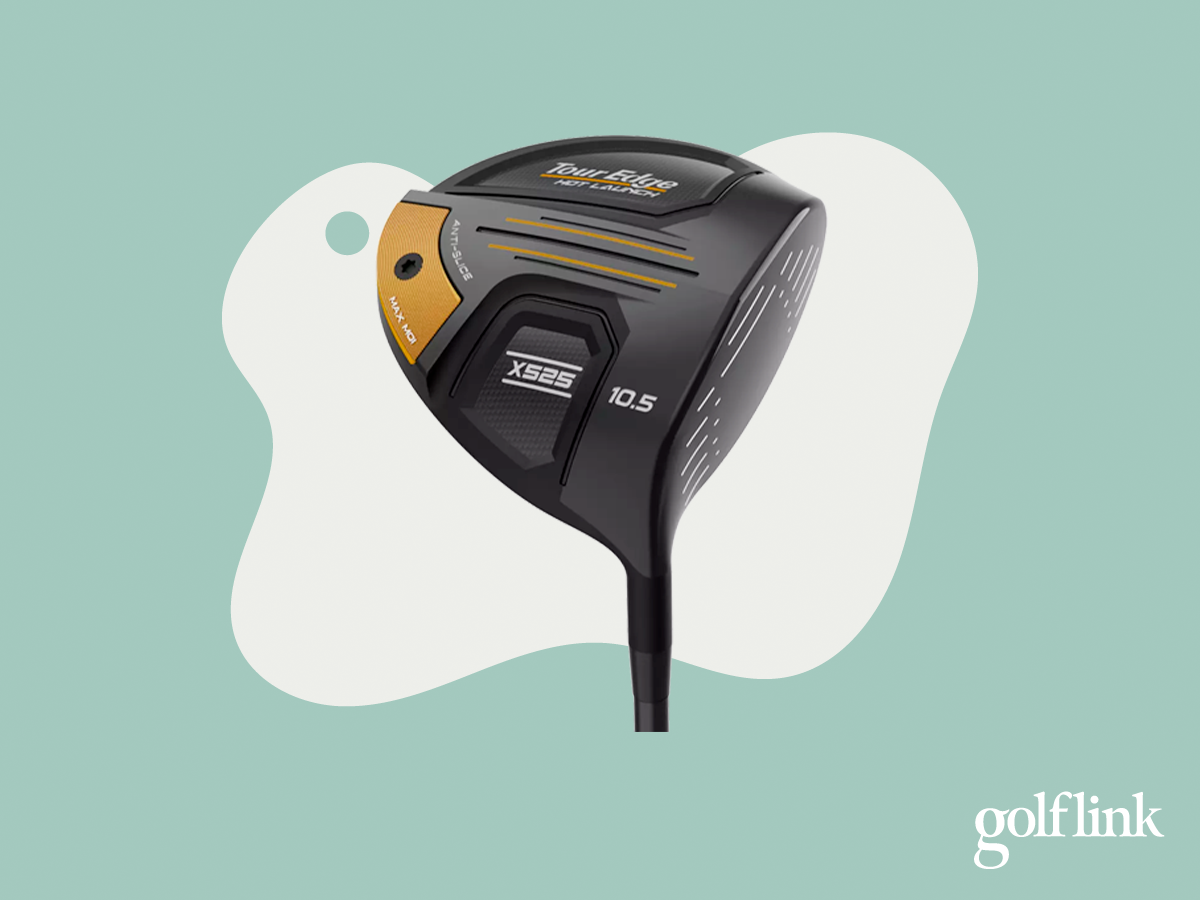
Tour Edge Hot Launch X525
PGA TOUR SUPERSTOREFIND ON AMAZON
Typical Price: $250
Lofts: 10.5, 12 degrees
Adjustability: Hosel
Pros:
- Terrific value
- Lots of anti-slice features
- Produces plenty of ball speed
Cons:
- Offset can be off-putting for some golfers
If you’re looking for a lot of value and some serious slice correction, the Tour Edge Hot Launch X525 should be high on your list. It’s about half the price of most other new drivers at $250, and it says “Anti-Slice” on the bottom of the club. They couldn’t say that if it wasn’t true, right?
Well, it is an anti-slice club. First, it has a weight positioned near the heel, which, of course, encourages the clubface to close more quickly. But more importantly, it features quite a bit of offset, which is unusual in a driver, but commonplace in game-improvement irons. That offset provides a bit more time to square the face, helping to eliminate or at least lessen a slice and potentially turn it into a draw.
In addition to the draw bias, however, this model features the same technology found in the other Hot Launch drivers. That includes Diamond Face VFT technology, a face technology that features 37 different thick and thin diamond shapes or “mini-trampolines” behind the face. Diamond Face VFT is designed to produce a hotter face with faster ball speeds and better performance on off-center hits, as well as reduced spin.
Additionally, the Hot Launch X525 features Tour Edge’s Ridgeback technology, which was originally only offered on its Exotics line. The ridgeback rail provides increased structural properties designed to help produce more power across the entire face, and it also acts as a unique alignment aid at address.
Forgiving Drivers for High Handicappers
If you are in the market for a new driver, we can’t emphasize enough that you should try as many of these drivers as you can before you buy one. After all, most of them are around $600, so if you have a chance to demo a few of them, by all means, check them out.
A fitting can also be very beneficial for finding your ideal settings (the majority of these drivers are adjustable) and pinpointing the best shaft flex and characteristics for you.
Finally, what might be forgiving for another player might not be forgiving for you. As we suggested above, perhaps a mini driver is your best bet, or at least one that’s configured more like a 2-wood than a driver. Remember, loft can be your friend, especially if you tend to slice.