Ben Hogan M50-01 Review: Fully Forged, No Legacy Tax
Some players distance irons only have a forged face. Not These.
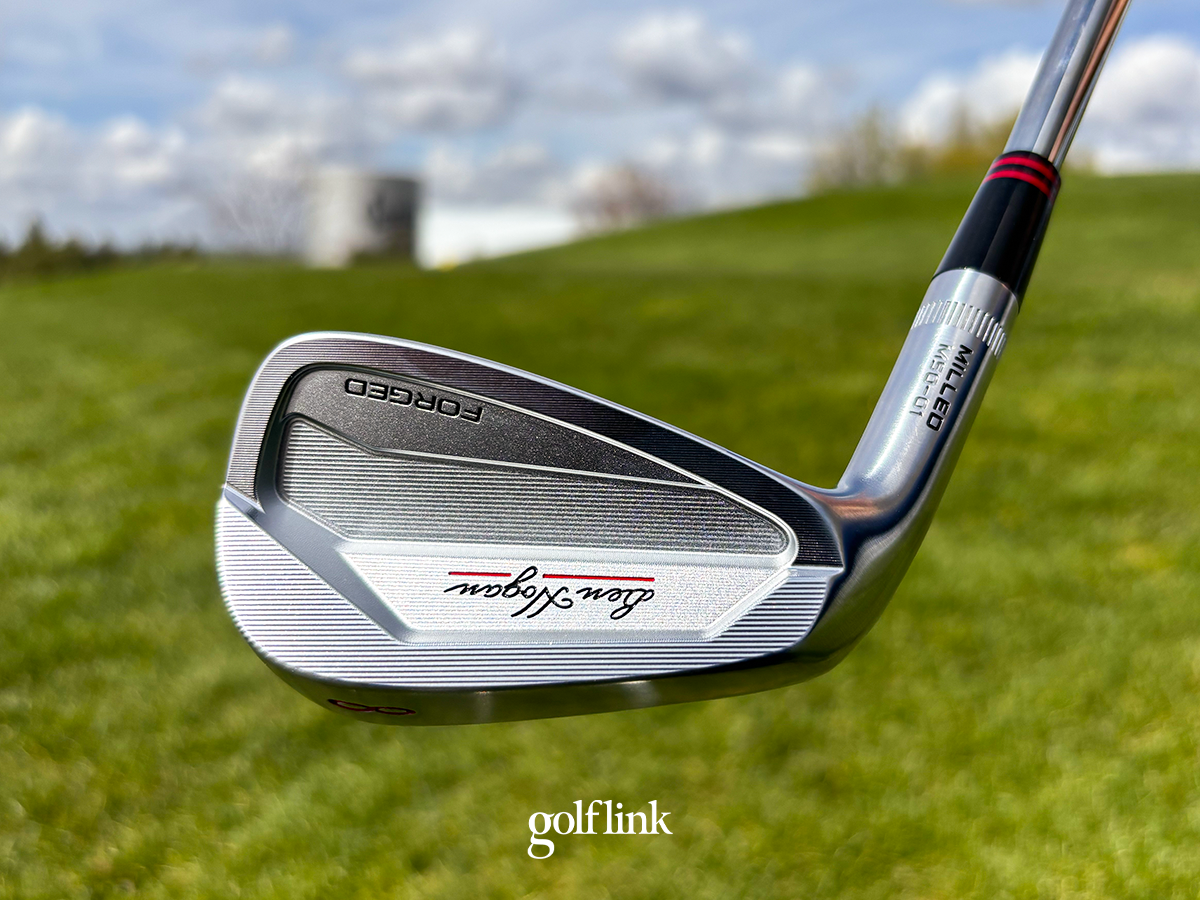
If you’ve played your way into the players distance category of irons, you’ve earned the right to put a fully forged iron in your bag. The problem is, most players distance irons force you to compromise. A cast body here, a two-piece forged construction there.
The Ben Hogan M50-01 irons don’t do that. They’re one-piece, fully forged, players distance irons, and they don't come with the tax that the legacy brands charge.
How We Tested the Ben Hogan M50-01 Irons
I tested the Ben Hogan M50-01 irons three ways: on the driving range, on the SkyTrak ST MAX launch monitor, and of course, on the golf course over multiple rounds.
I tested the 5 iron through gap wedge set with Dynamic Gold 105 R300 shafts.
The irons are available from 4 iron through gap wedge in right or left hand with a variety of KBS Tour, Dynamic Golf, and UST Recoil shafts to choose from. Ben Hogan also offers standard or midsize grips.
Ben Hogan M50-01 Iron Specs
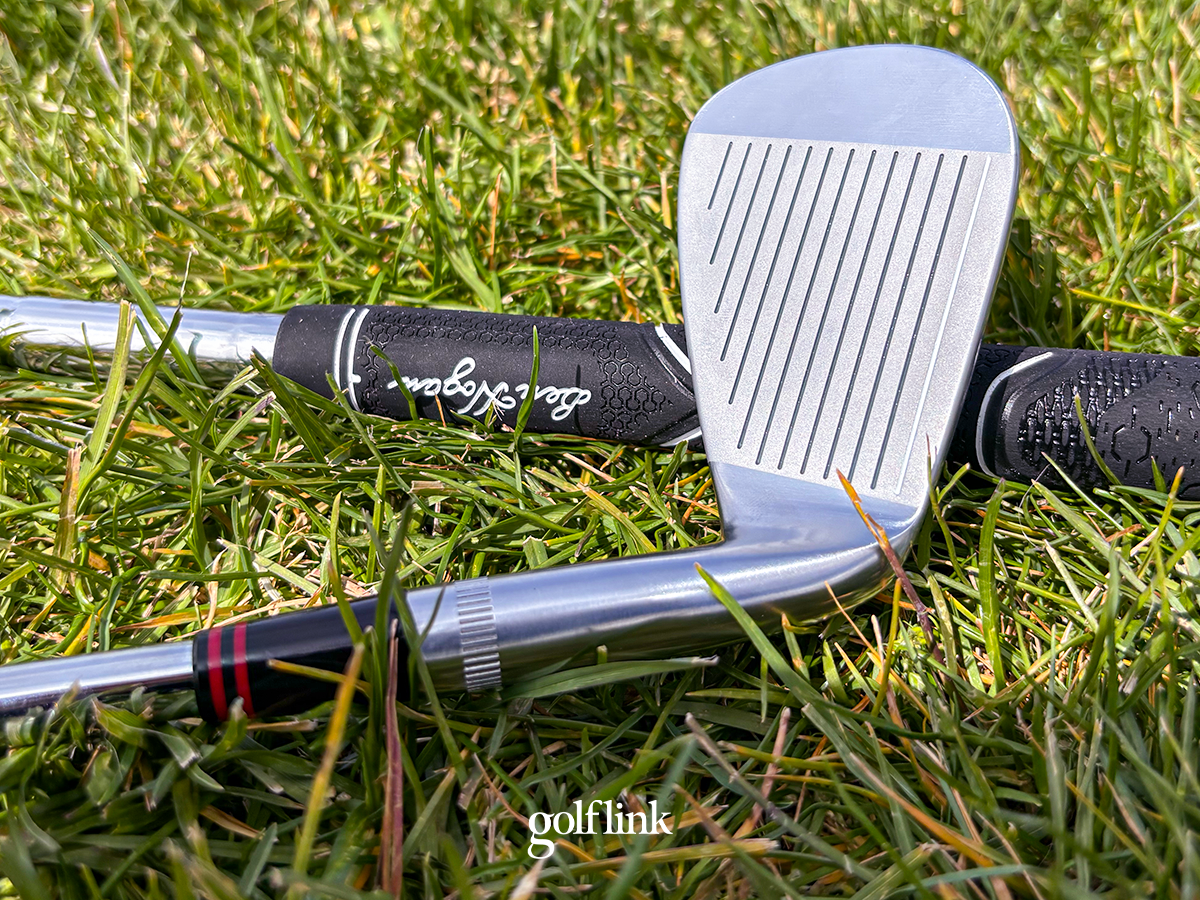
SHOP BEN HOGAN
Category: Forged Players Distance
Construction: One-piece (1020C) Forged
Hand: Right & Left
Price: $799 - $1,049
Pros:
- Sleek looks with distinct yet minimal trim
- Satisfying feel of a forged iron
- More distance than expected
- Impressive stopping power in my testing
- Several options to tailor the irons to specific needs, including set makeup, plus various shaft and grip options
Cons:
- Distance gapping in my launch monitor test was inconsistent
|
Iron |
Loft |
Lie |
Offset (MM) |
|
4 Iron |
21° |
60.5° |
4 |
|
5 Iron |
24° |
61° |
4 |
|
6 Iron |
27° |
61.5° |
3.5 |
|
7 Iron |
31° |
62° |
3 |
|
8 Iron |
35° |
62.5° |
3 |
|
9 Iron |
40° |
63° |
3 |
|
PW |
44° |
63.75° |
3 |
|
GW |
48° |
63.75° |
3 |
Who is a Forged Player’s Distance Iron For?
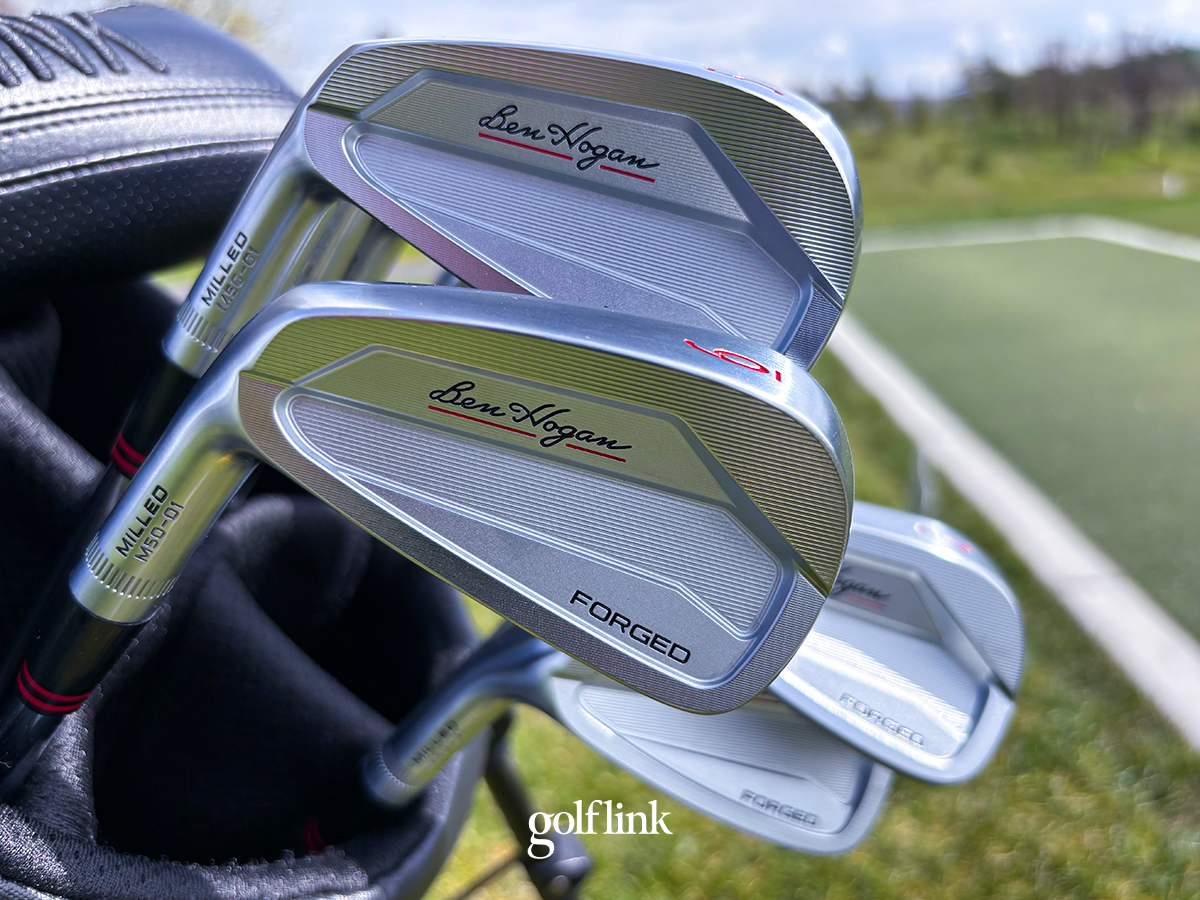
Ben Hogan touts the M50-01 as a forged player’s distance iron. That’s an interesting middle ground. More forgiving than a blade, more control than a game improvement iron.
The lofts reflect that balance. A 31-degree 7-iron and 44-degree pitching wedge are two to three degrees from both the strongest and weakest lofts you’ll find across the iron market. Neutral enough to deliver honest ball flight without sacrificing distance.
The M50-01’s forgiveness is a similar story. The perimeter weight assists with off-center strikes, but the compact footprint, thin topline, and little offset keep the look firmly in players iron territory.
Distance
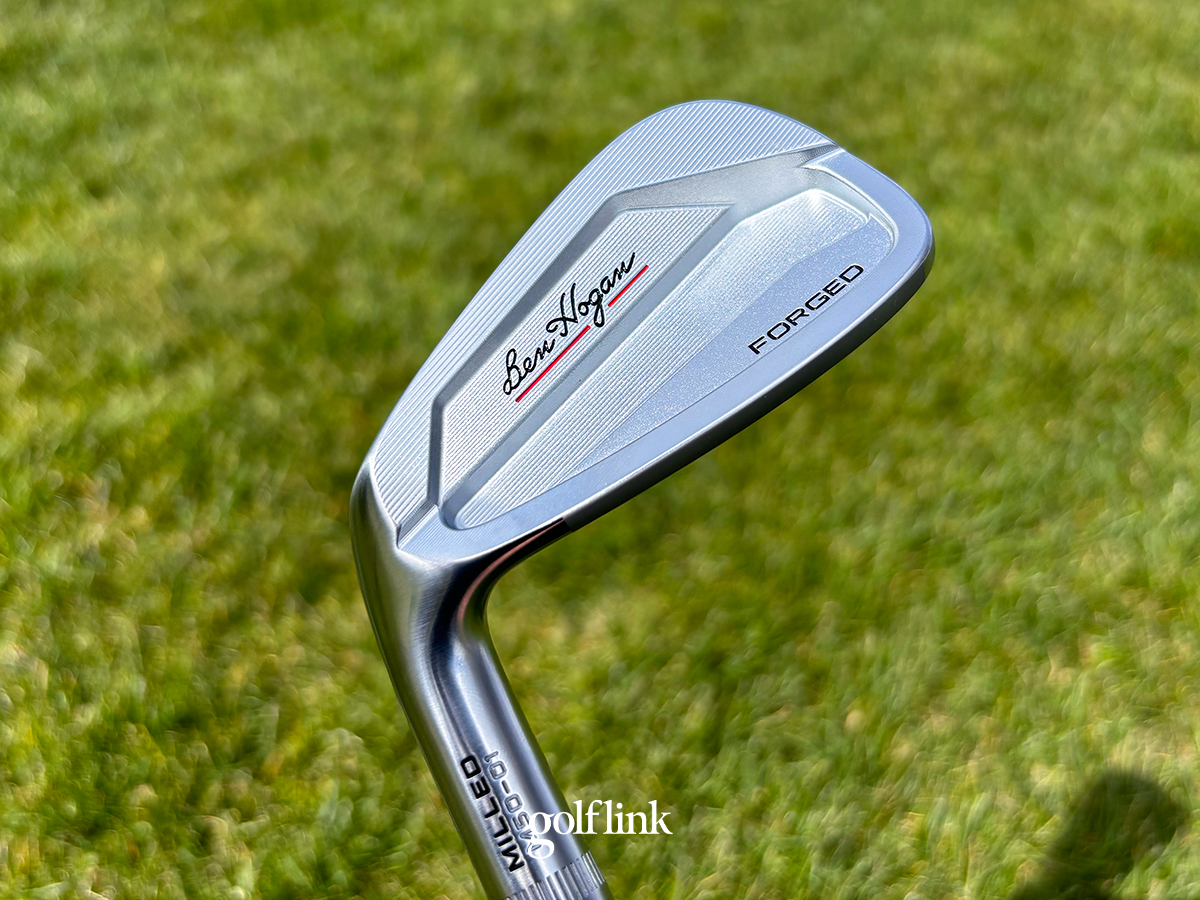
When I first tested the M50-01 irons on the course, I noticed that the distances seemed to be a little longer than I expected. I even flew a couple greens with the gap wedge my first time out.
When I compared them to my gamers on the SkyTrak ST MAX launch monitor, they proved to be about a half-club longer through the set.
While most of the lofts on the M50-01 irons are identical to my gamers, the gap wedge is actually two degrees stronger, which explains some of that unexpected distance. Still, I can attribute most of that extra distance through the set to a slightly lower spin profile. But the M50-01 still packed plenty of spin, and I saw strong descent angles and ample stopping power.
The only distance issue I noticed with the M50-01 irons was the gapping between irons. When I put them through a bag-mapping session on the launch monitor, the gaps were all over the place. Only two of the six gaps were between 7-15 yards, which is where I’d like to see them. I had two 21-yard distance gaps and one at just three yards. When I put my gamers through the same test during the same session, I saw five of my six gaps check in between 7-15 yards, and four of those were between 12-14 yards.
Yes, distance gapping is as much on the player as the iron, and typically anyone’s gamers are going to have a head-to-head advantage, but I actually only added mine to the bag at the same time I began testing the M50-01 irons, so I can’t point to a massive experience advantage to explain that discrepancy. Still, I’m confident that with more time in the bag, I could sort out those gaps.
Launch & Spin
Today’s loft-jacked game-improvement irons force players into a lower ball flight with less spin. That’s nice for distance, but not for holding greens. Meanwhile, traditional lofts make it hard to generate penetrating trajectory and distance for average players.
The neutral lofts on the M50-01 irons sidestep both problems. You simply get out what you put in.
The responsiveness showed up in the data. Spin numbers ran a few hundred RPMs lower than my gamers, but still generated plenty of bite. Plus, with descent angles strong through the set, the stopping power was real.
If you’re moving into the M50-01 irons from a game improvement set, you’ll notice an immediate difference in green-holding power when you make the switch.
Forgiveness & Accuracy
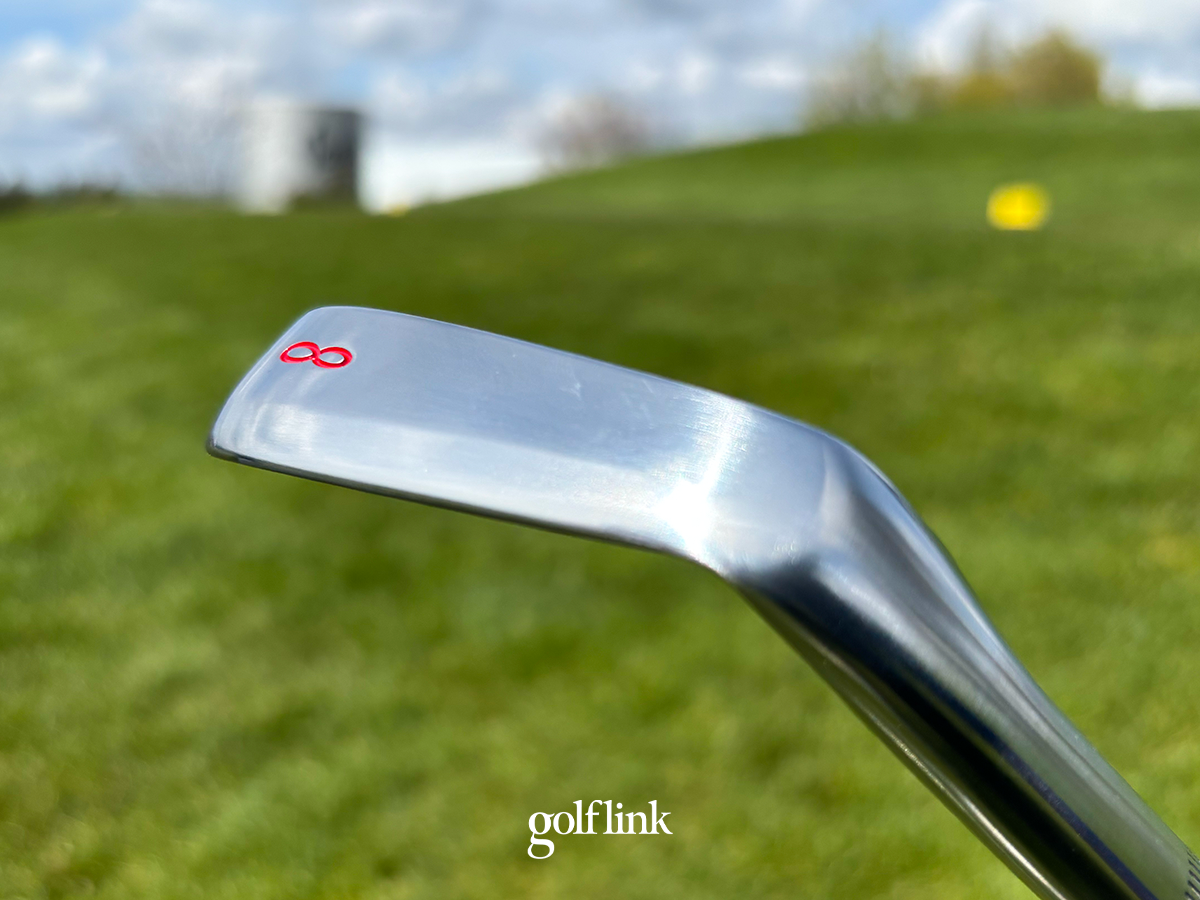
Remember that extra dose of distance I noticed in launch monitor testing? I think it came at the expense of a dose of consistency.
Again, gamers always have an advantage, but dispersion was a little wider – both left to right and long to short – with the M50-01 than my own irons. Of the seven clubs in each 5-GW set, six of the seven dispersions with my gamers fell between 12-15 yards, but with the M50-01 irons, five were between 15-25 yards.
From a forgiveness standpoint, the perimeter weighting on the M50-01 irons does its job. I tend to miss on the toe side, yet distance and spin numbers held up – both on the launch monitor and on the golf course – despite those mishits.
Feel & Feedback
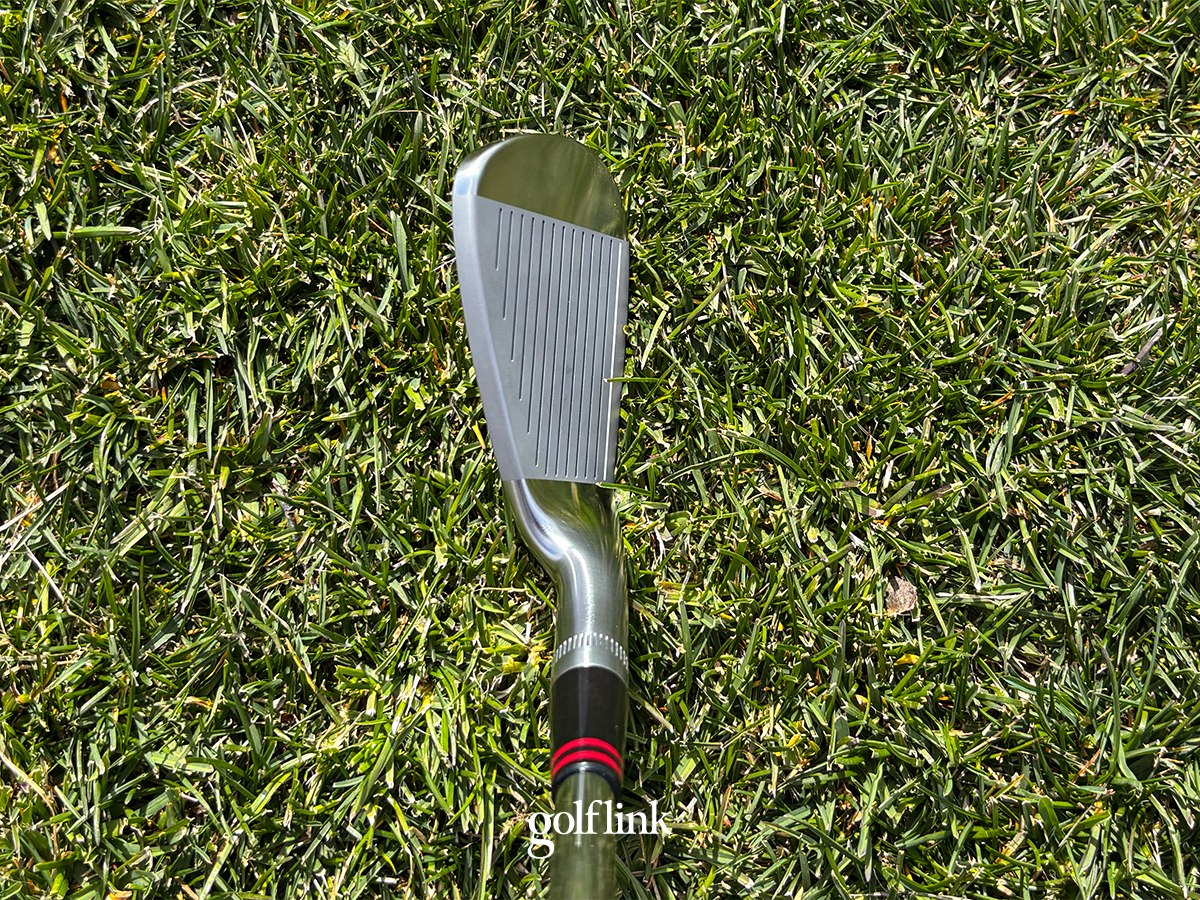
There’s no feeling like flushing a fully forged iron. It’s one of the biggest reasons golfers prefer them. The M50-01s deliver it in full.
For better or worse, you know exactly where you made contact, even if the perimeter weighting masks some of the evidence from your playing partners.
Who Are the Ben Hogan M50-01 Irons For?
I think any player with a handicap in the teens or lower could realistically game the Ben Hogan M50-01 irons.
The profile leans players at address with little offset, a moderate topline and a footprint that’s on the compact side. Yet the performance is well rounded, blending distance and forgiveness with control into greens. After all, that’s exactly what a players distance iron should do.
Specifically, I think players coming from game improvement irons will see the most benefits. If you’re a bogey player or better using GI irons, improved control into greens can make an immediate impact on your game, and the M50-01 delivers.
If you’ve played your way into the players distance category, you deserve a fully forged iron. The M50-01 delivers the performance and construction without hitting you with a legacy tax.