Forged vs. Cast Irons: Compare the Differences to Get an Edge
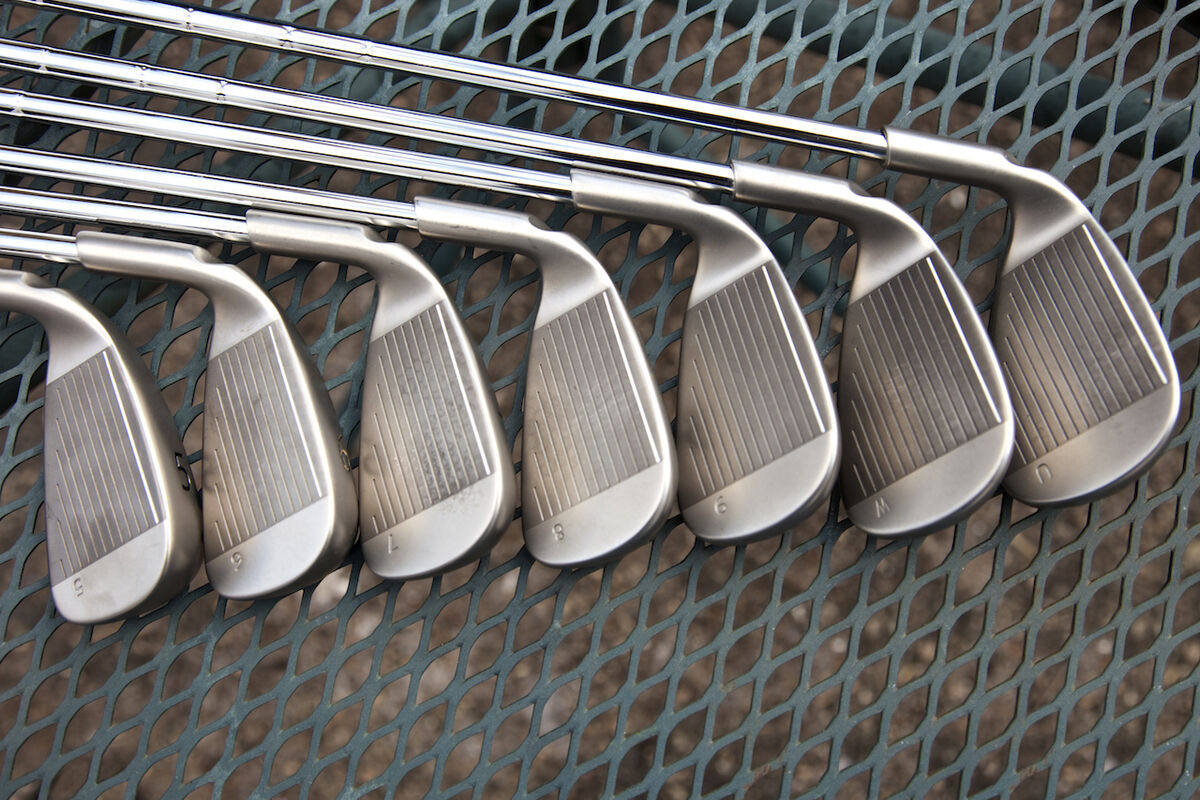
If you’re in “shopping mode” for a new set of irons, or you’re just looking to tinker, it’s an understatement to say you have a lot of options. One main division among different types of irons is if they are forged or cast. The differences are fairly significant and should be part of your decision before investing your money in your new sticks. Here’s an overview of both cast and forged irons to help you get an edge.
How They’re Made
The terms "forged irons" and "cast irons" refer to the process by which the irons are made.
Cast Irons
The process of making cast golf irons is actually quite fascinating. To begin, an exact wax mold of the iron is made. The mold is dipped over and over in a ceramic and sand mixture before they’re steamed to the point where the wax melts off. From there, hot liquid metal is poured into the ceramic and sand mold, that mold is then cracked away, and you have your golf club. The polishing and fine details are completed after the head cools.
Forged Irons
The process of making forged irons is a bit more intricate. Instead of having large rows of molds like cast irons, forged irons are individually carved from single pieces of metal. The metal is heated to the point where industrial machinery can mallet each head to form. They are hand polished and detailed after cooling.
Characteristics of Forged and Cast Irons
Cast irons are typically cavity back irons that are mid to oversized in shape. They launch higher, are more forgiving, and have a larger sweet spot. Cast irons are much more difficult to bend, so adjusting loft and lie can be tricky. They are usually very durable and don’t wear easily.
Forged irons are smaller in head size, they are commonly blades or muscle-back irons. Forged irons launch lower, have less forgiveness and have a smaller sweet spot than cast irons.
Forged irons are typically made from a much softer metal so they are easier to adjust for loft and lie post-purchase. However, forged irons will show significant wear if not well-cared for. You’ll see a lot of pre-owned forged irons with dings or “bag chatter” on them. In addition, the sweet spot on forged irons will typically discolor after a lot of use.
Cost
The labor cost is the main differentiator when it comes to comparing the cost of cast and forged golf clubs.
In short, forged irons always cost more than cast, because the process is more complex. Main club manufacturers such as TaylorMade, Callaway, and PING have an average of $600 in price difference between their leading cast sets compared to their leading forged sets.
Which is Right for You?
Cast irons are good for you if:
- You are a mid to high handicap player (15 and up)
- You struggle to get the ball in the air
- You require the most forgiveness
- Your budget is less than $1,000
Forged irons are good for you if:
- You are a lower handicap player (less than 15)
- You are able to shape your shots
- You want more spin
- You consistently find the middle of the club face
Conclusion
Whether you end up purchasing cast or forged irons, make sure you’re buying irons that suit your game. It is always recommended that you get fit for irons by a certified club fitter.