If you’ve ever watched your ball slice weakly to the right or dribble along the ground when you know you made solid contact, you might be dealing with one of golf’s most frustrating swing faults: casting.
I’ve seen countless golfers struggle with casting. The good news is that once you understand what’s happening, you can fix it. Let’s break down what casting really is and how you can eliminate it from your game.
What Is Casting In Golf?
Think of casting like you’re throwing a fishing line. In your golf swing, casting happens when you release your wrist angle too early in the downswing.
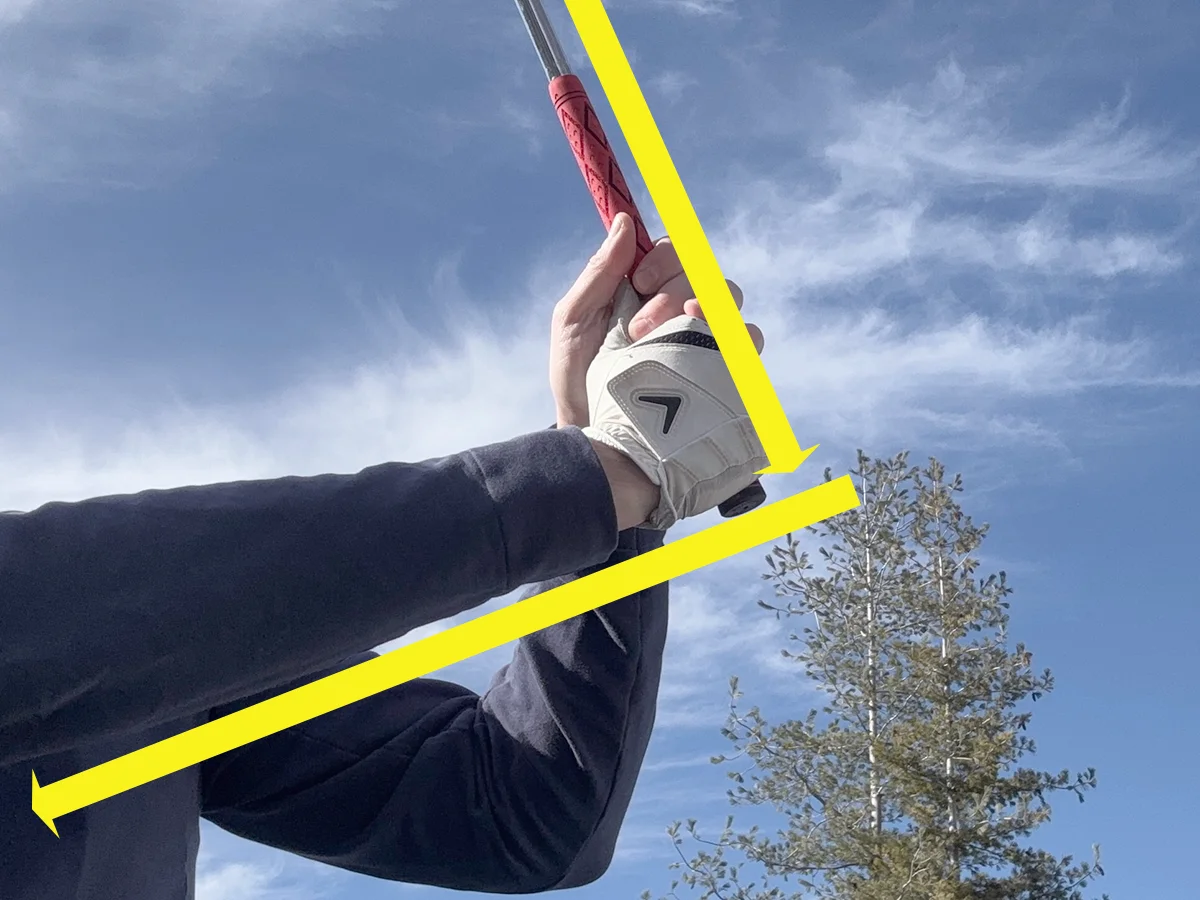
Instead of maintaining that powerful angle between your lead arm and the club shaft as you come down, you’re essentially throwing the clubhead at the ball from the top of your swing.
When you look at a proper golf swing, there should be a distinct angle formed by your lead wrist and the club shaft at the top of your backswing. Good players maintain this angle well into the downswing, releasing it at just the right moment through impact. When you cast, you lose that angle way too early, usually right as you start your downswing.
What Causes This Frustrating Fault?
The root causes of casting are usually pretty straightforward, and include:
- Helping the ball into the air
- Grip pressure
- Poor sequencing
Most golfers cast because they’re trying to help the ball into the air. There’s this natural instinct to scoop or lift the ball, especially with irons. Your brain sees the ball sitting on the ground and thinks you need to get under it.
Another common culprit is grip pressure. When you squeeze the club too tightly, especially at the top of your swing, your wrists can’t maintain their hinge. The tension forces an early release.
Poor sequencing also plays a huge role. If your upper body fires before your lower body starts the downswing, you’ll almost always cast. Your hands and arms take over, and that early release becomes inevitable.
How Casting in Golf Ruins Shots
The effects of casting are devastating to your ball flight.
First, you lose massive amounts of distance. That early release means you’re losing clubhead speed right when you need it most. The power that you should deliver at impact is long gone.
When you cast in your golf swing, you likely also struggle with consistency.
Casting makes it nearly impossible to compress the ball properly. Instead of that crisp, descending blow with divots starting after the ball that tour players achieve, you either hit it thin or catch it heavy. Your contact becomes unpredictable.
Then there are accuracy issues.
When you cast, it’s much harder to control the clubface through impact. You’ll see more slices, pulls and unpredictable shot patterns that make course management a nightmare.
How to Stop Casting in Golf
The first step is awareness. You need to feel what you’re doing wrong before you can fix it. This is where technology has become a game-changer for amateur golfers.
You can use simple drills or advanced technology to stop casting in golf.
5% OFF: golflink
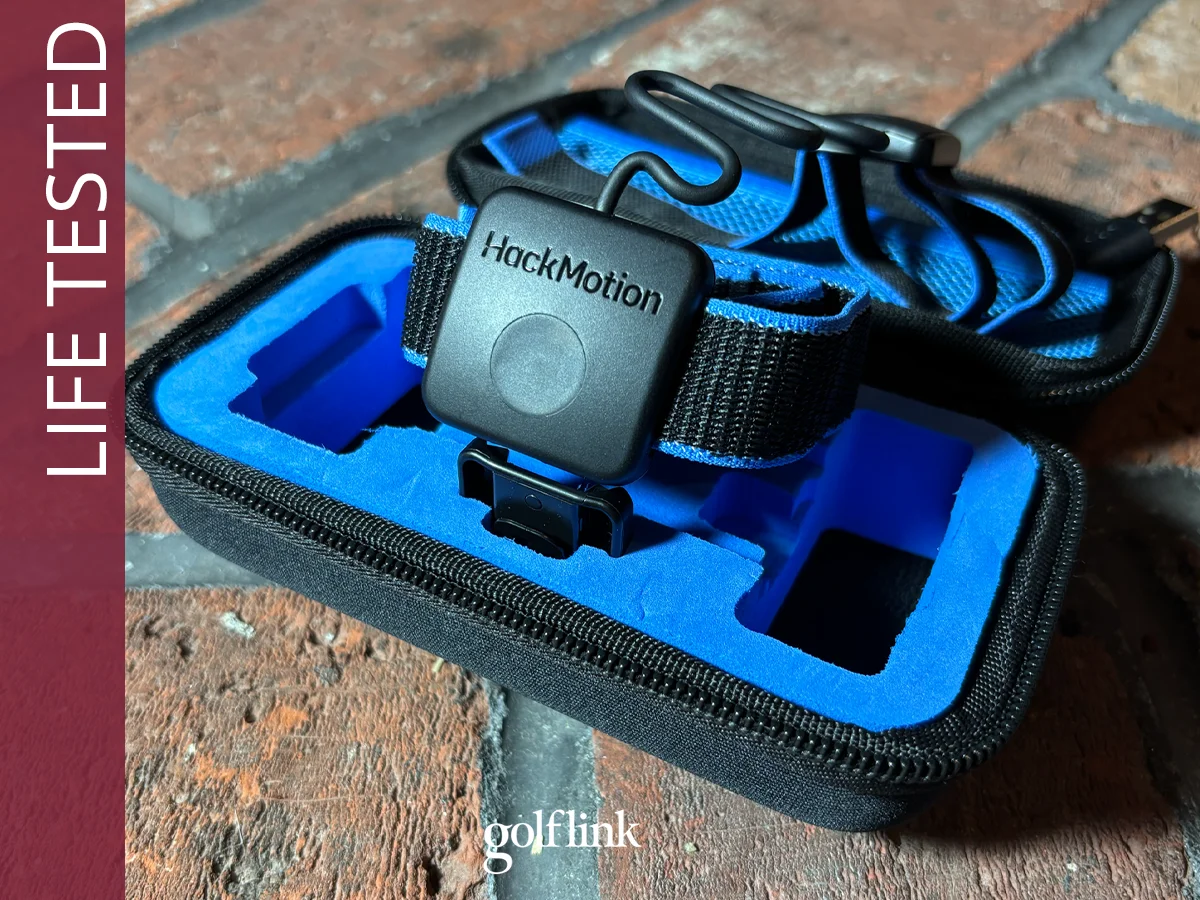
While drills are essential, one of the biggest challenges with fixing casting is that you can’t see what your wrists are doing during the swing. This is where something like HackMotion can really accelerate your progress.
This wrist-mounted sensor gives you real-time feedback on exactly what your wrists are doing throughout your swing. It measures your wrist angles 800 times per second, so you get incredibly precise data on when and how you release the club.
What makes HackMotion particularly useful for fixing casting is its instant feedback. You can practice the correct wrist positions and immediately know if you’re maintaining that angle or releasing it too early. The device offers personalized drills based on your specific swing faults, turning what used to be guesswork into measurable improvement.
Pump Drill
The pump drill is one of my favorites.
Take your normal backswing, then pump the club down about halfway until your lead arm is roughly parallel to the ground while maintaining your wrist angle. Feel that lag, that stored energy in your wrists.
The key is keeping those wrists hinged as if you’re still at the top of your backswing, even though your arms are lowering.
Do this several times before actually hitting a ball.
Towel Drill
Another great drill to stop casting is the towel drill.
Tuck a towel under your lead armpit and keep it there throughout your swing. This promotes better connection and sequencing, which naturally helps prevent casting.
Focus on starting your downswing with your lower body.
Your hips should begin rotating toward the target before your hands start down. This proper sequence makes it much easier to maintain your wrist angle.
Cast Away
The bottom line is this: casting might feel natural, but it’s costing you distance, accuracy and consistency. With the right awareness, some focused practice and maybe a little help from modern technology, you can break this habit and start hitting the powerful, compressed shots you’ve always wanted.