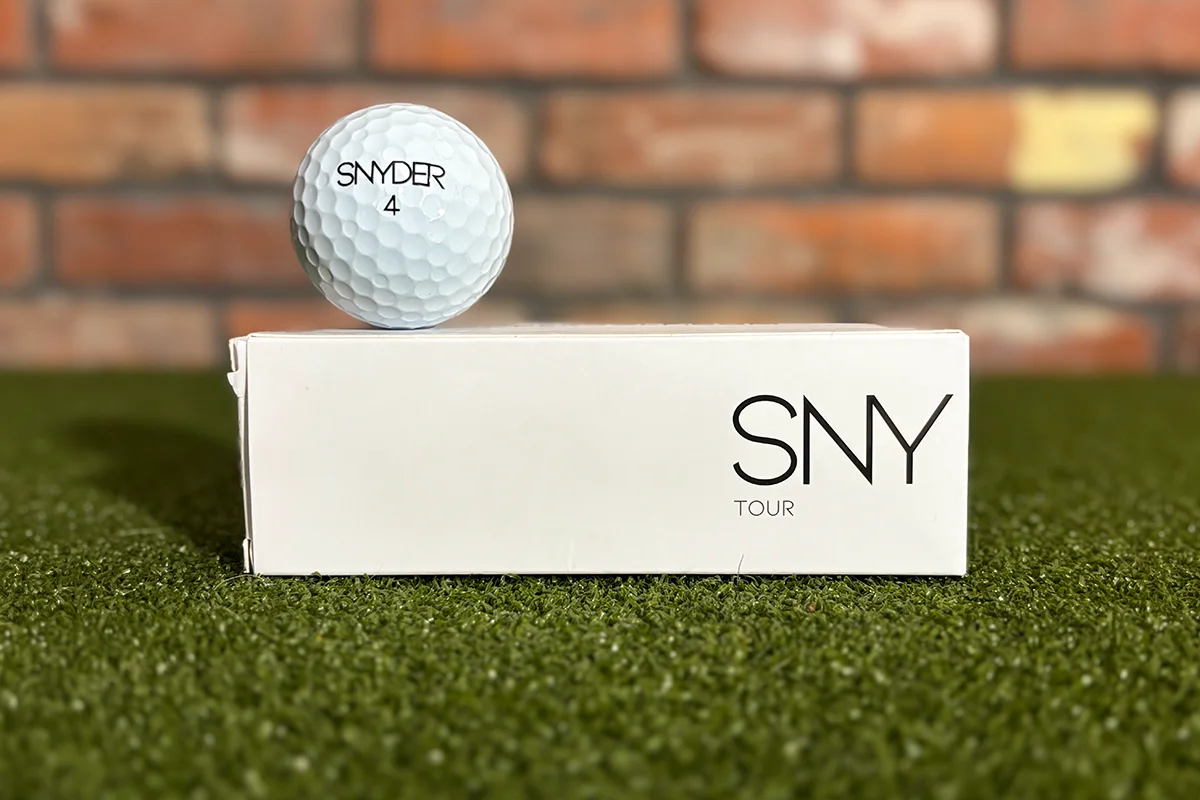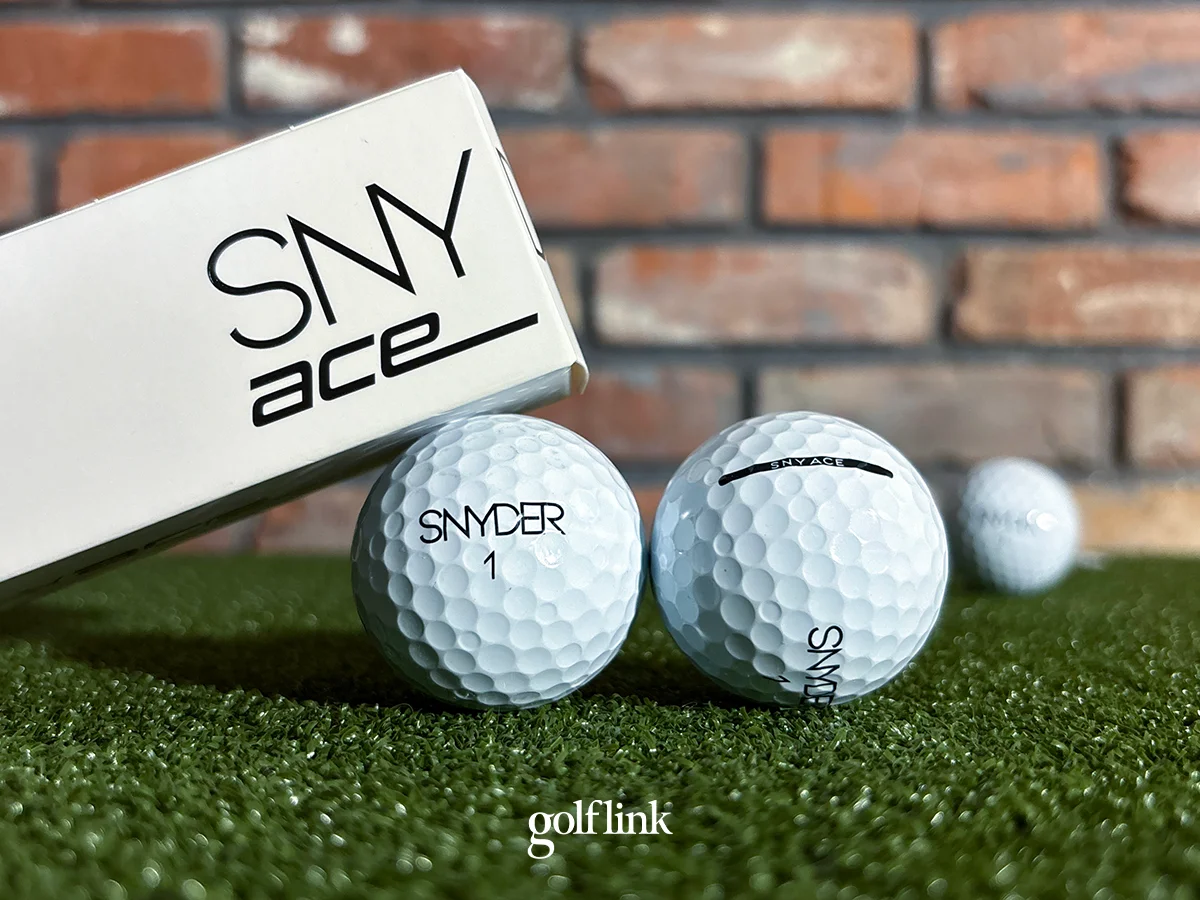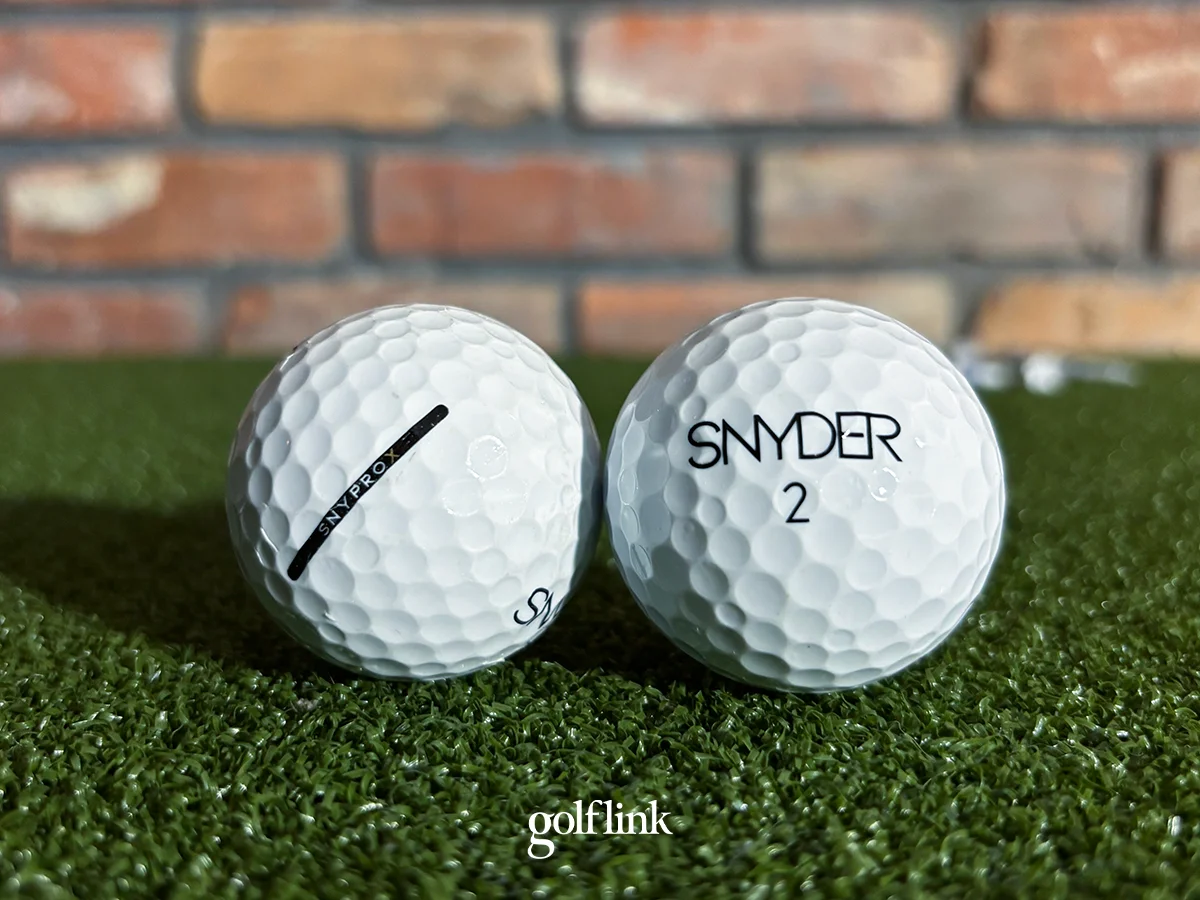

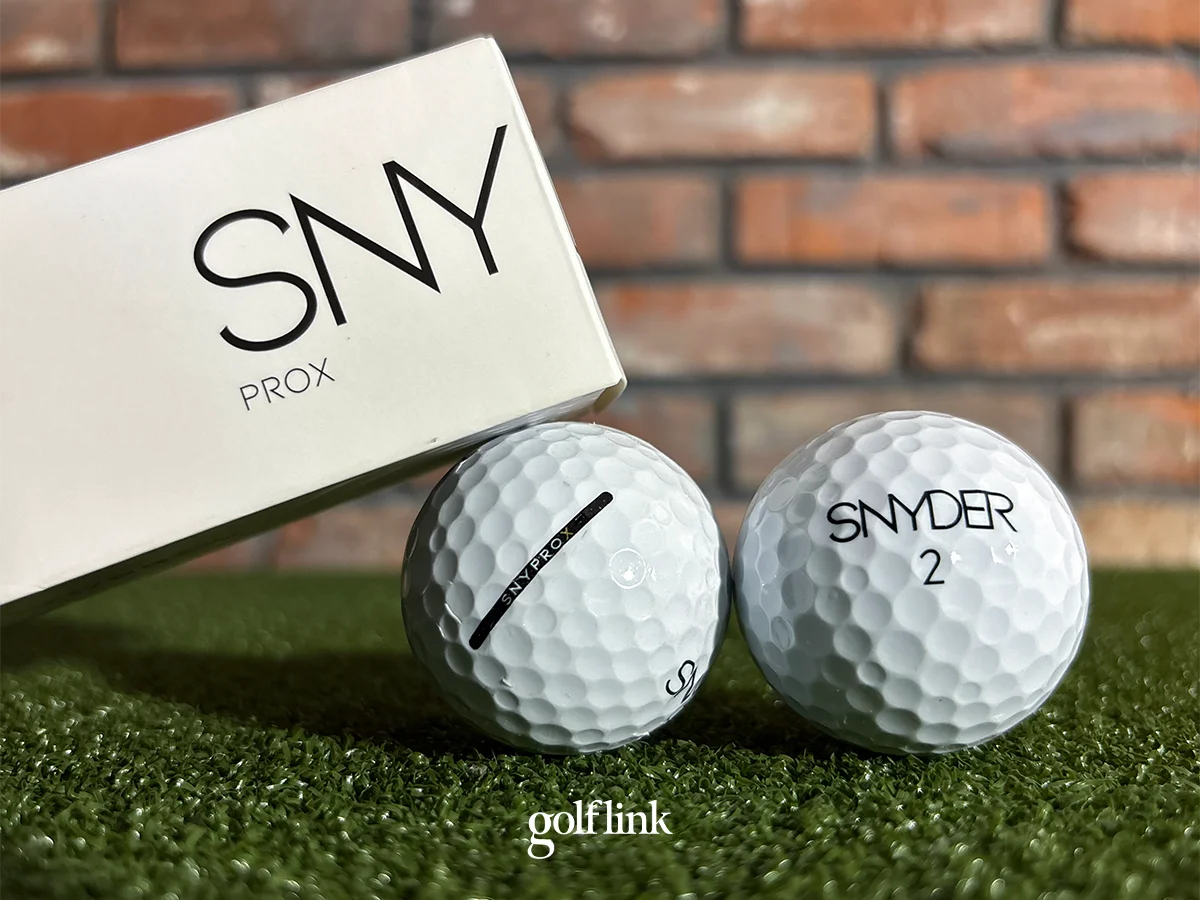
Every couple of years a new golf ball company shows up promising tour-level performance at half the price, and every couple of years a lot of us find out why the expensive ones cost what they cost. So I went in skeptical before testing the Snyder Pro X, a five-layer urethane ball that recently dropped to $28 per dozen with no bulk commitment required.
Snyder's pitch is specific: spending an extra $29 per dozen for golf balls doesn’t buy you that much more performance.
We put Pro X through our full golf ball testing protocol to see if that holds up. Here's exactly what the data showed.
How We Tested the Snyder Pro X
We put the Snyder Pro X through our published golf ball testing protocols using the [SkyTrak ST Max](https://www.skytrakgolf.com/products/launch-monitor) launch monitor. That means human swings under strict bands for swing speed, impact quality, and delivery dynamics.
Because we use human swings, not robots, our data reflects the performance differences you can actually expect to see on the course, not microscopic variances under perfect conditions. We use strict benchmarks for swing speed, shot quality, and delivery dynamics to keep results as consistent as possible.
Individual results will vary, but the patterns we see across dozens of shots — and across all 43 balls in our test — are meaningful.
Learn more about [how we test golf balls](https://www.golflink.com/equipment/how-we-test-golf-balls) and see the complete list of [every golf ball we've tested](https://www.golflink.com/equipment/golf-ball-test-data). You can also check out our complete Snyder Pro X test data here.
Snyder Pro X Specs, Pricing & Performance
Cover: Urethane
Layers: 5-Piece
Price: $28 per dozen
One pricing note: Snyder's site listed Pro X at $52.99 a dozen but recently marked it down to $28 a dozen with no bulk commitment required. Our test — and the value score below — is built around the $38 bulk price from the time we concluded our testing and scoring. Given the current (and according to Snyder, permanent) $28 price, the value math improves.
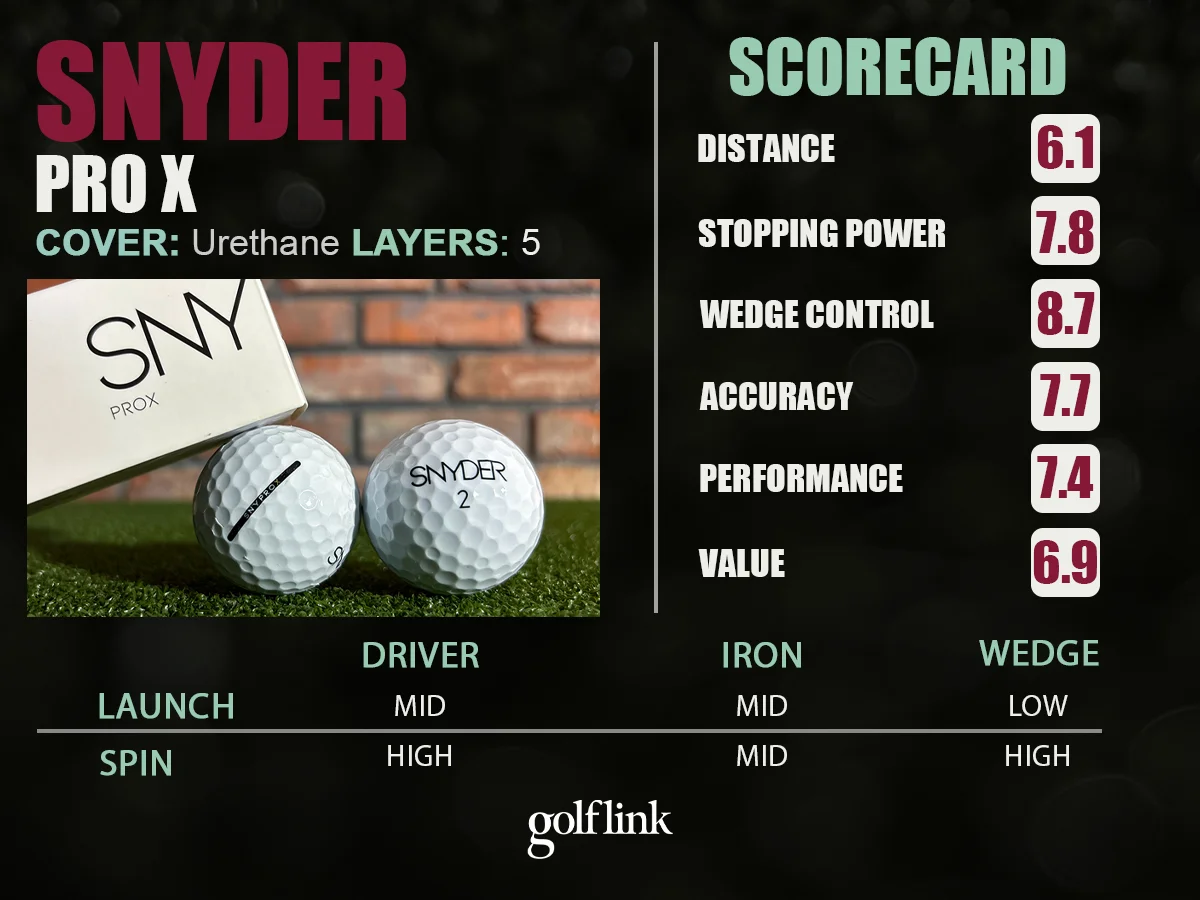
Pro X ran a high-spin, mid-launch profile off the driver in our test, settling into mid-spin, mid-launch with the 7-iron and high-spin, low-launch from 50 yards.
That's not the spin profile of a ball built to maximize carry. High driver spin and a five-piece build favor control, not distance, which is what we saw in our test.
Distance: 6.1/10
Pro X finished near the very bottom of our entire field in distance, not just behind other balls in its price range.
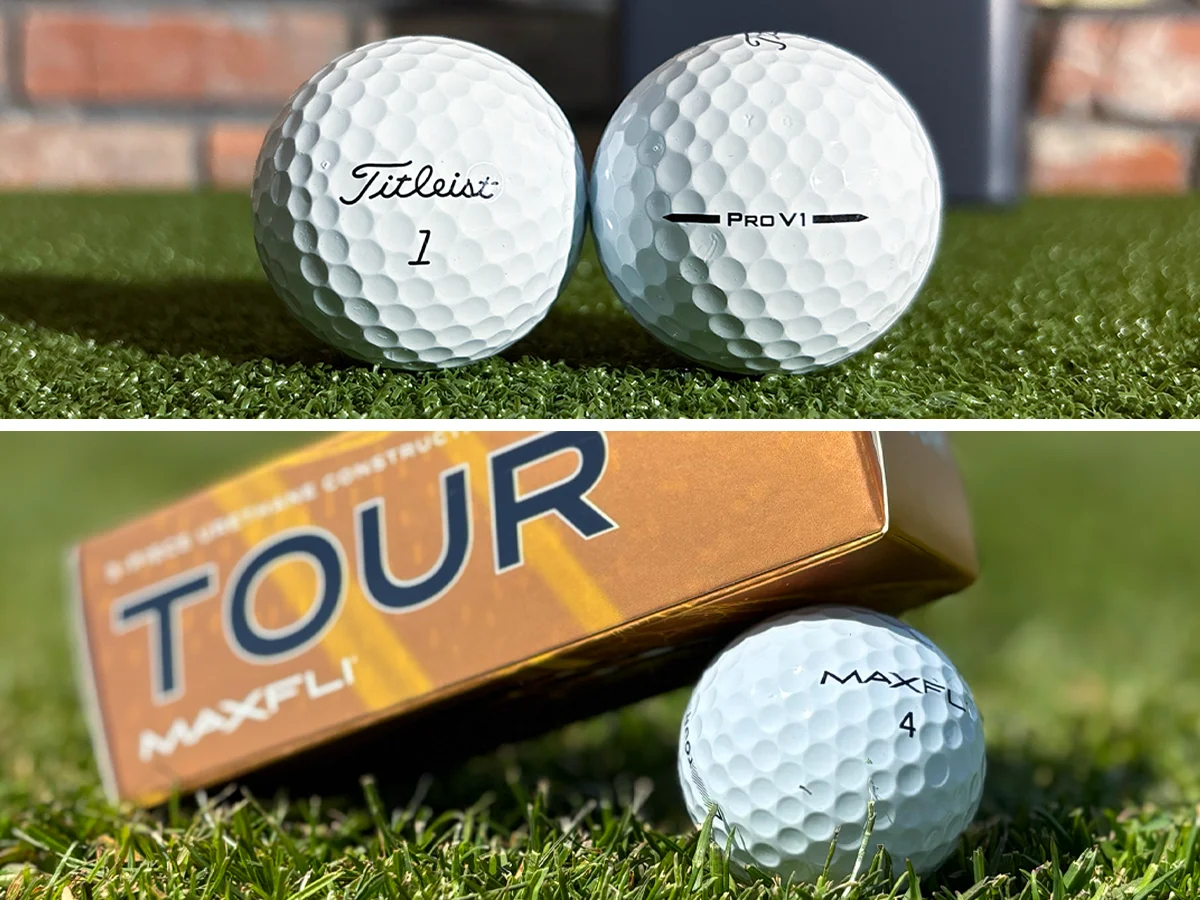
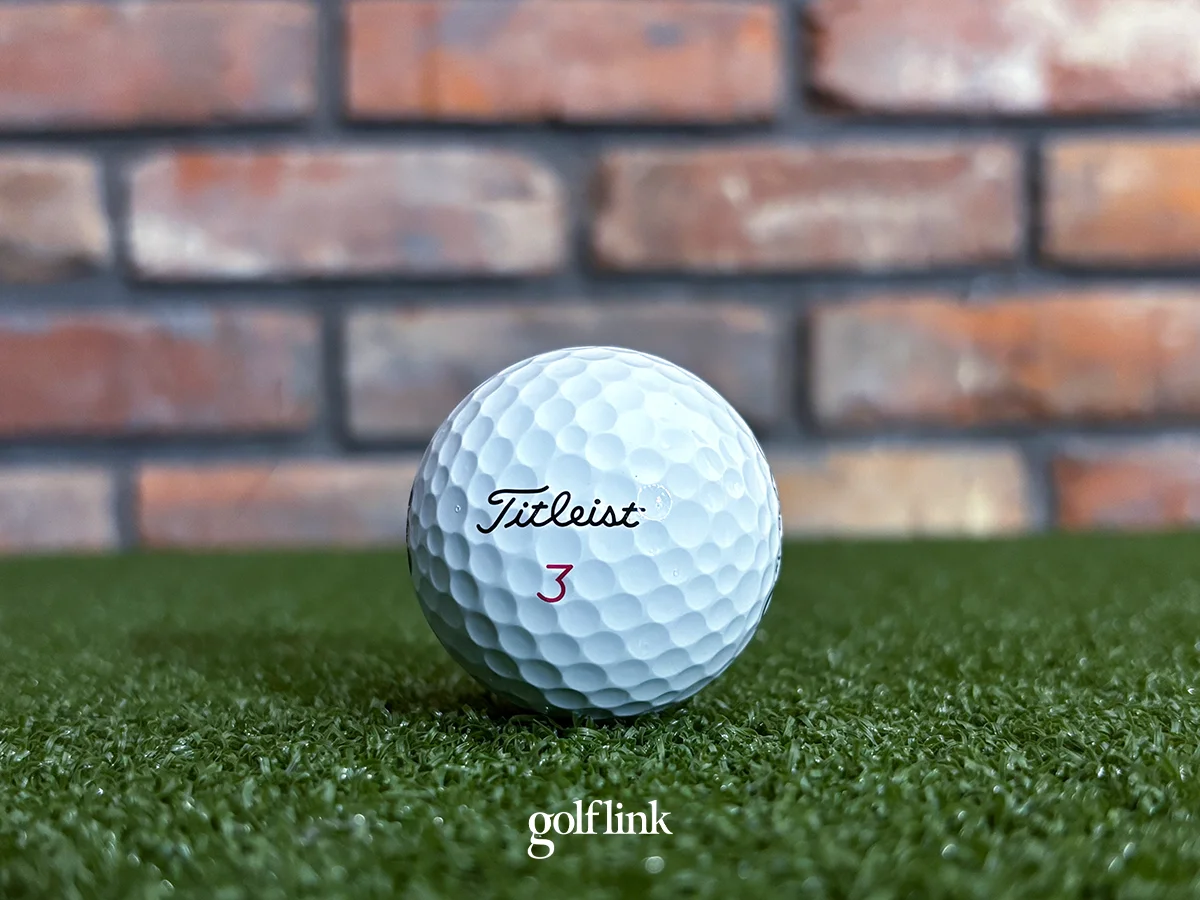
Its 135.6 mph of ball speed and 236.8 total yards with driver both landed below our 43-ball averages (137.0 mph and 241.6 yards). For a ball marketed on "maximum distance performance," the data doesn't back up that claim. Pro X was even a little shorter than the Titleist Pro V1 it's positioned to undercut — Pro V1 carried to 237.6 total yards in our test, half a yard-plus ahead of Pro X.
High driver spin (2,650 RPM) crippled Pro X's distance. That's more spin than you want if you're trying to optimize distance, but if you currently struggle to produce enough spin with driver, Pro X could actually improve your distance off the tee.
Stopping Power: 7.8/10
Stopping Power is where Pro X starts to make its case. A 7.8 stopping power score is good for 18th out of 43 balls that we tested, comfortably above average.
A 41.9-degree descent angle and 4,539 RPM of 7-iron spin (both a step ahead of our field averages) held the roll to just 9.6 yards in our 7-iron test. That's a real advantage on shots into greens, and impressive performance for a $28/dozen golf ball.
Wedge Control: 8.7/10
Pro X's 8.7 out of 10 score in our Wedge Control test makes this its best category, tied for 18th of 43 and solidly above the middle of our field. From 50 yards, it produced 7,072 RPM of spin with just 2.8 yards of rollout, numbers that hold up next to balls that cost $10-15 more per dozen.
If Snyder had built its entire marketing pitch around this instead of distance, I'd have an easier time recommending Pro X without a caveat.
Accuracy: 7.7/10
Snyder Pro X finished right around the middle of the field in our accuracy test. Off the tee, Pro X's accuracy (10.75 yards offline, 158.5 RPM of sidespin) was below average.
With the irons, it tightened up considerably: 5.0 yards offline and 185 RPM of sidespin.
The takeaway is that Snyder Pro X won't straighten out your worst shots, but it won't spit your best ones into the woods, either.
Value: 6.9/10
Despite the attractive price, Pro X's value score comes in at 6.9, which is below average and lower than you'd expect from a ball pitched as the budget alternative to a $57 tour ball.
The math looks a lot better at the $28 markdown Snyder is currently running.
Who Should Buy the Snyder Pro X
Consider Snyder Pro X If:
- You prioritize stopping power and wedge control over raw distance;
- You're comfortable giving up some driver distance in exchange for an affordable ball that checks up well on approach and around the green.
Skip it if:
- Distance off the tee is a top priority;
- You already play a ball you trust at a similar price and see no reason to switch.
My honest take is that Snyder built a strong short-game ball at an accessible price, and marketed it as a distance ball. Judge Pro X on what it actually does — stop quickly on firm greens for less than tour-ball money. If that's what you want, it's money well spent. If you're expecting Snyder's own pitch of "maximum distance performance" to change your game, you might be underwhelmed with the results.
Buy it for the wedge and iron performance, not the distance claim.