Scott Golf SG-04 Review: A GI Iron Built For GIRs, Not Distance
This forged game-improvement iron performs just like a player’s iron, but with forgiveness.
Here are three facts that you probably already know, but OEMs don’t want you to see in the same room.
- Of all the stats in golf, greens in regulation has the highest correlation to lower scores. Not distance.
- The primary job of your irons is on approach shots into greens.
- Yet, game improvement irons – the category where most golfers live and that’s literally named for improving your game – are designed for distance, with merely an afterthought given to green-holding power.
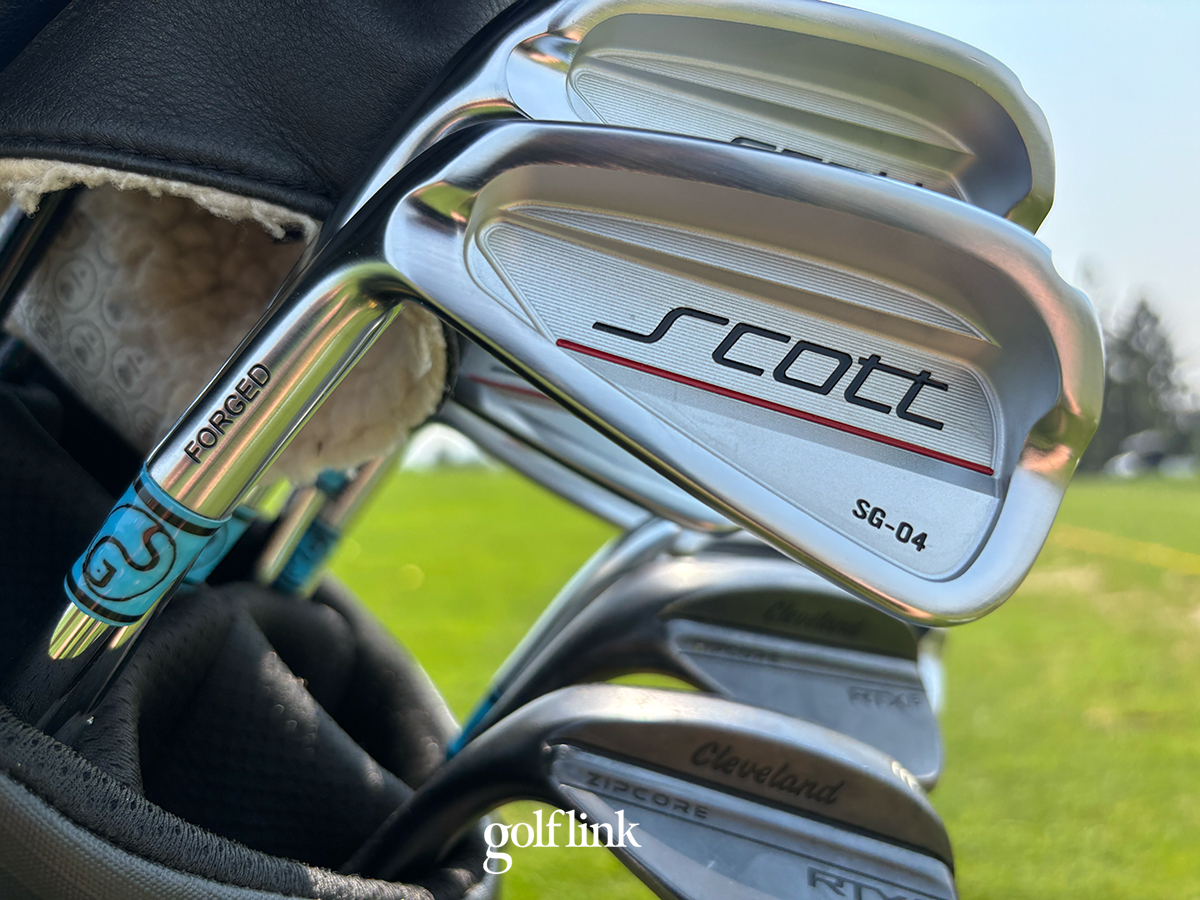
The Scott Golf SG-04 irons are the first that I’ve tested – and the only modern iron I can even find – that addresses this problem. Forged, game improvement irons with traditional lofts that you can actually get in the air and stop on a green, without giving up the forgiveness that puts them into the GI category in the first place. You don’t see that sentence very often.
There is, of course, one huge catch.
How I Tested the Scott Golf SG-04 Irons
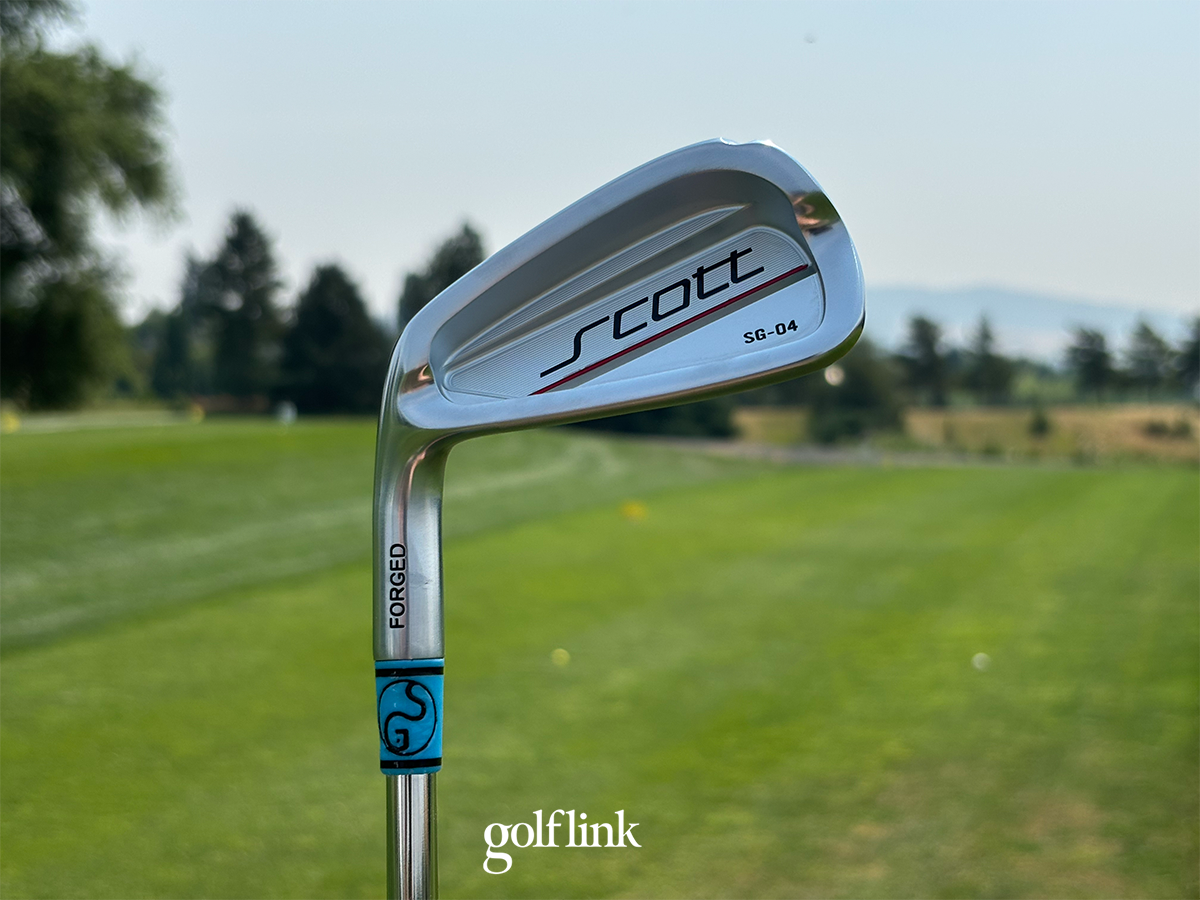
I tested the Scott Golf SG-04 irons, 4-iron through pitching wedge, three ways. First, I took them to the driving range to get a feel for them without any data or head-to-head comparison to influence my first impressions.
Then I tested them for two rounds on the golf course, with range sessions and launch monitor sessions in between.
Finally, I used the SkyTrak ST MAX launch monitor to compare the pitching wedge, 7-iron and 5-iron head-to-head to my current gamers, the Sub 70 659 TC irons, to see how the launch, spin, height, distance, and roll compare to that of a player’s iron.
I chose those three clubs because the PW and 5-iron are the top and bottom ends of the overlap between this set and my gamers, and the 7-iron is in the middle.
The Concept: Performance + Forgiveness
SCOTT GOLF
Price: $1,899
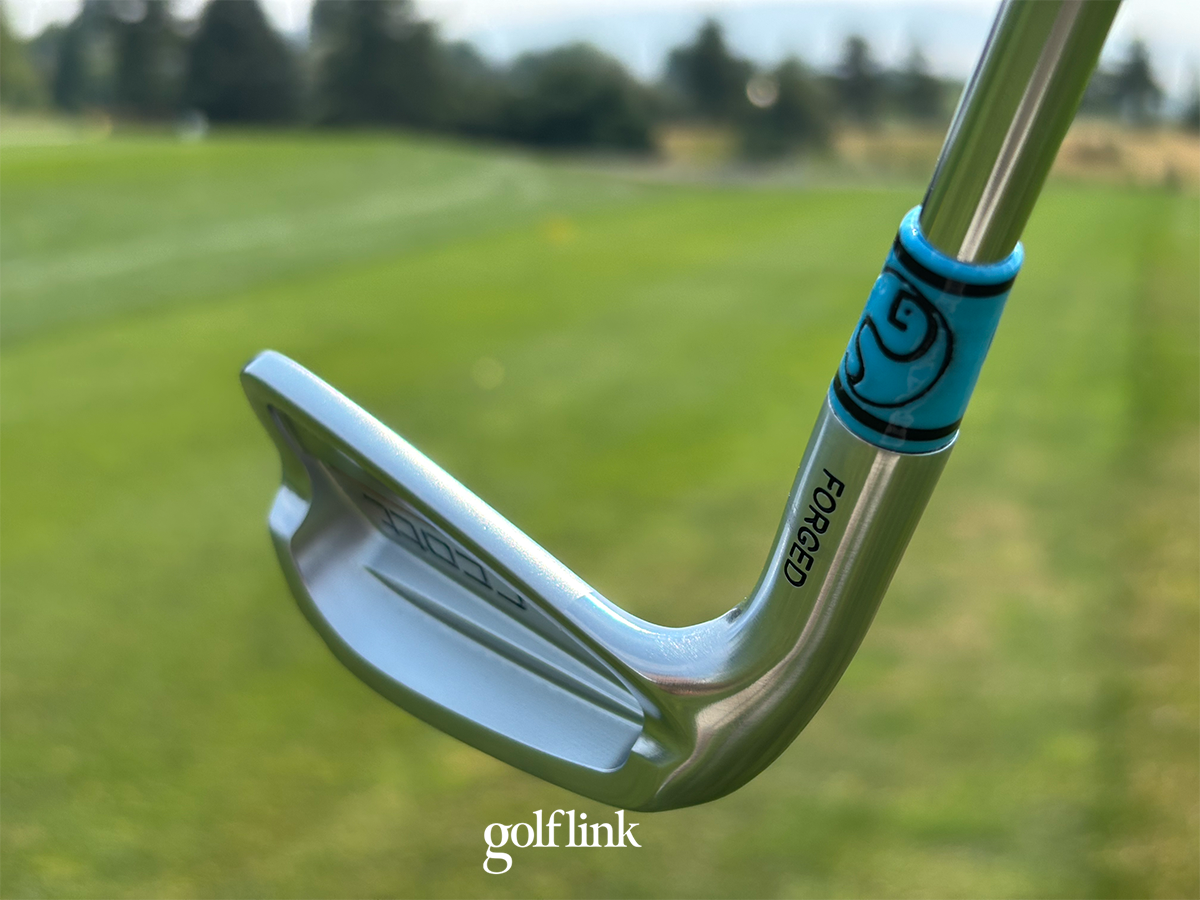
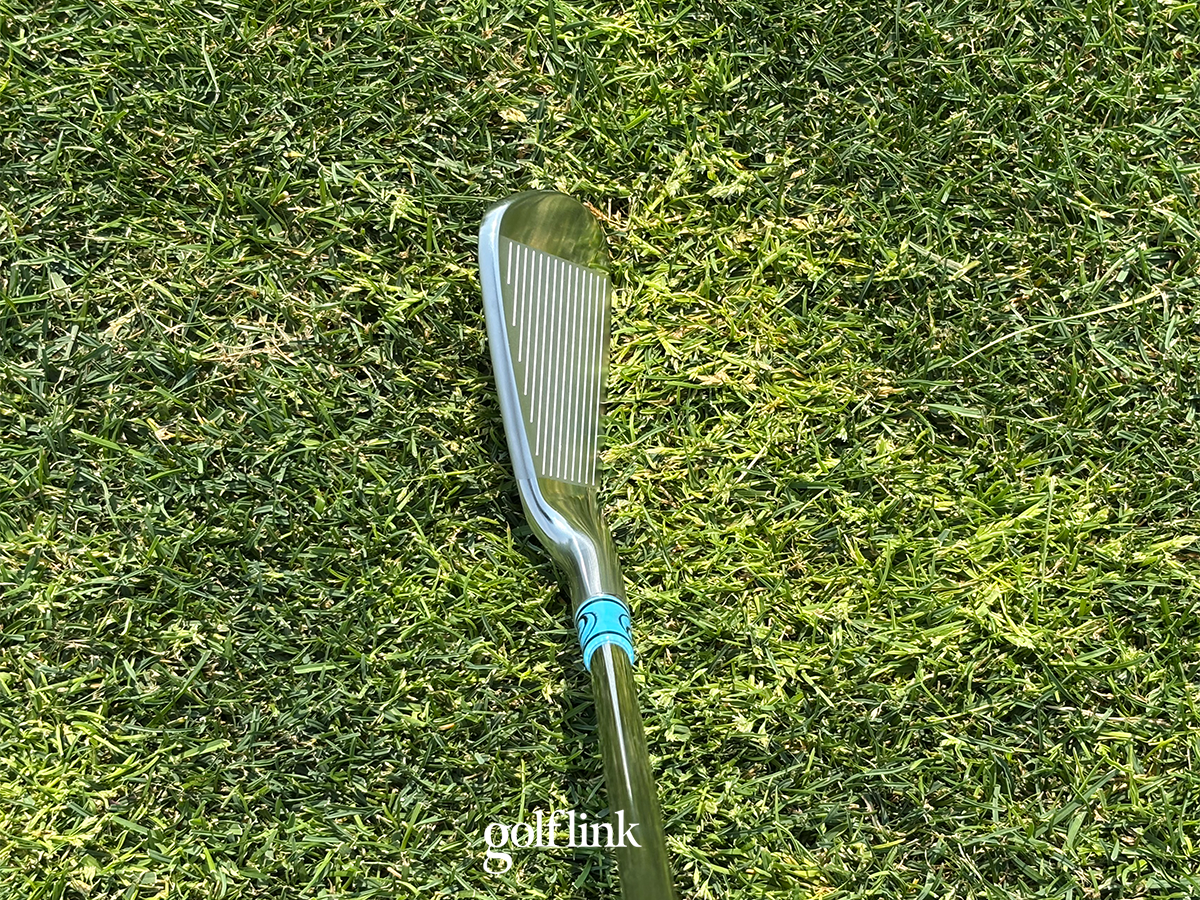
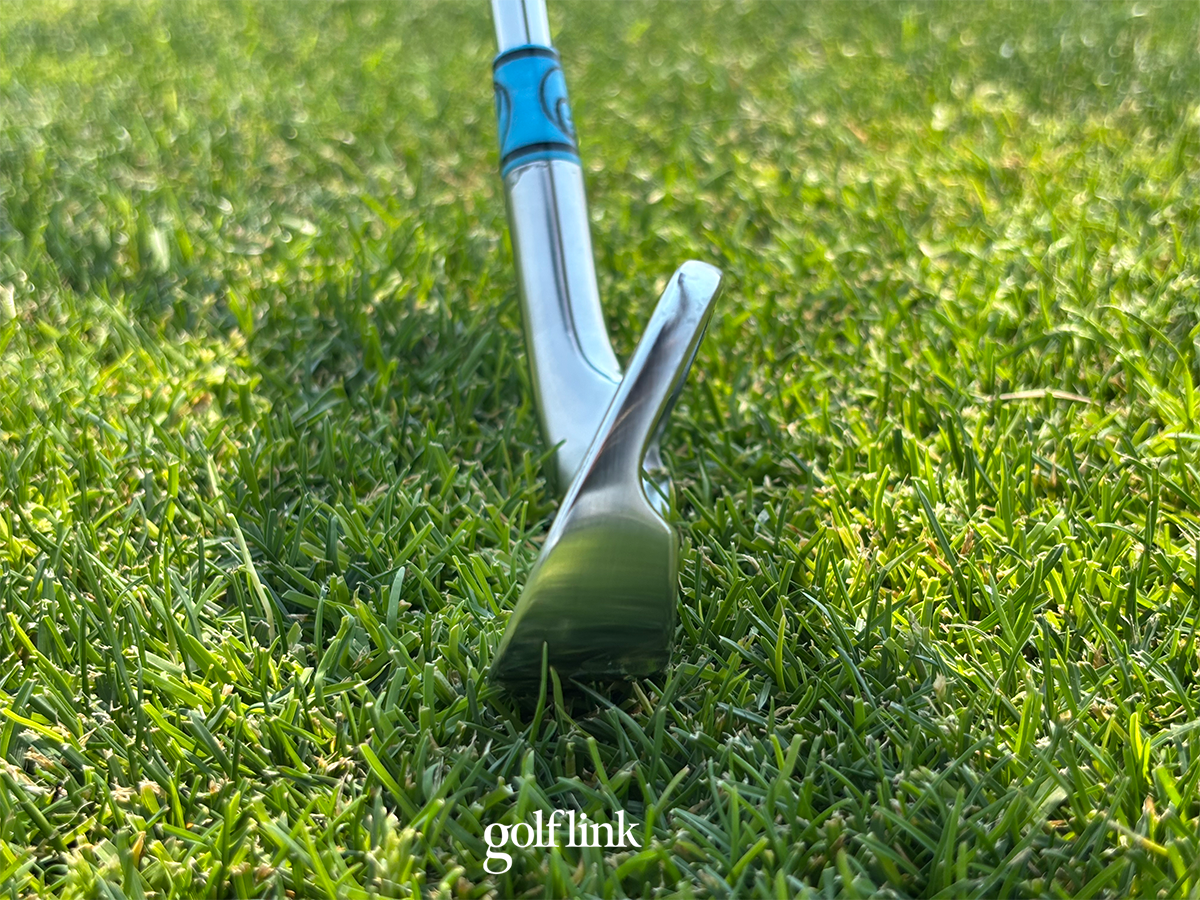
At address, the SG-04 looks and feels like a game improvement iron. The footprint is generous, the offset is noticeable, and there's zero sense that you're standing over a small, unforgiving face. If seeing a larger head gives you confidence when you look down, SG-04 delivers it.
But the construction is forged, which isn’t what you normally see with game improvement irons. The lofts are traditional. The 34-degree 7-iron is about six degrees weaker than most GI irons from the major OEMs, and four degrees weaker than most of today’s Players Distance irons.
That combination opens the door to a player type I don't think has been served this century: golfers who want GI-type forgiveness and stopping power on approach shots. You will not find a 34-degree 7-iron anywhere else in a game improvement set.
I recently moved into a “players” category iron specifically because I needed more height and spin more than extra distance, even though my ball striking suggests I still need the forgiveness of a game improvement iron.
The SG-04 is the best of both worlds. Launch, spin and stopping power for players who aren't ready to leap into a smaller, less forgiving head. And as a nice bonus, you get the forged feel that can’t be faked.
It's a clever middle path, and it makes me wonder: does Scott Golf know something that everybody else doesn’t, or do all the major OEMs know something Scott Golf doesn’t? Because I think – and my playing partners who I tested this iron with agree – there’s a story here that’s easy to sell.
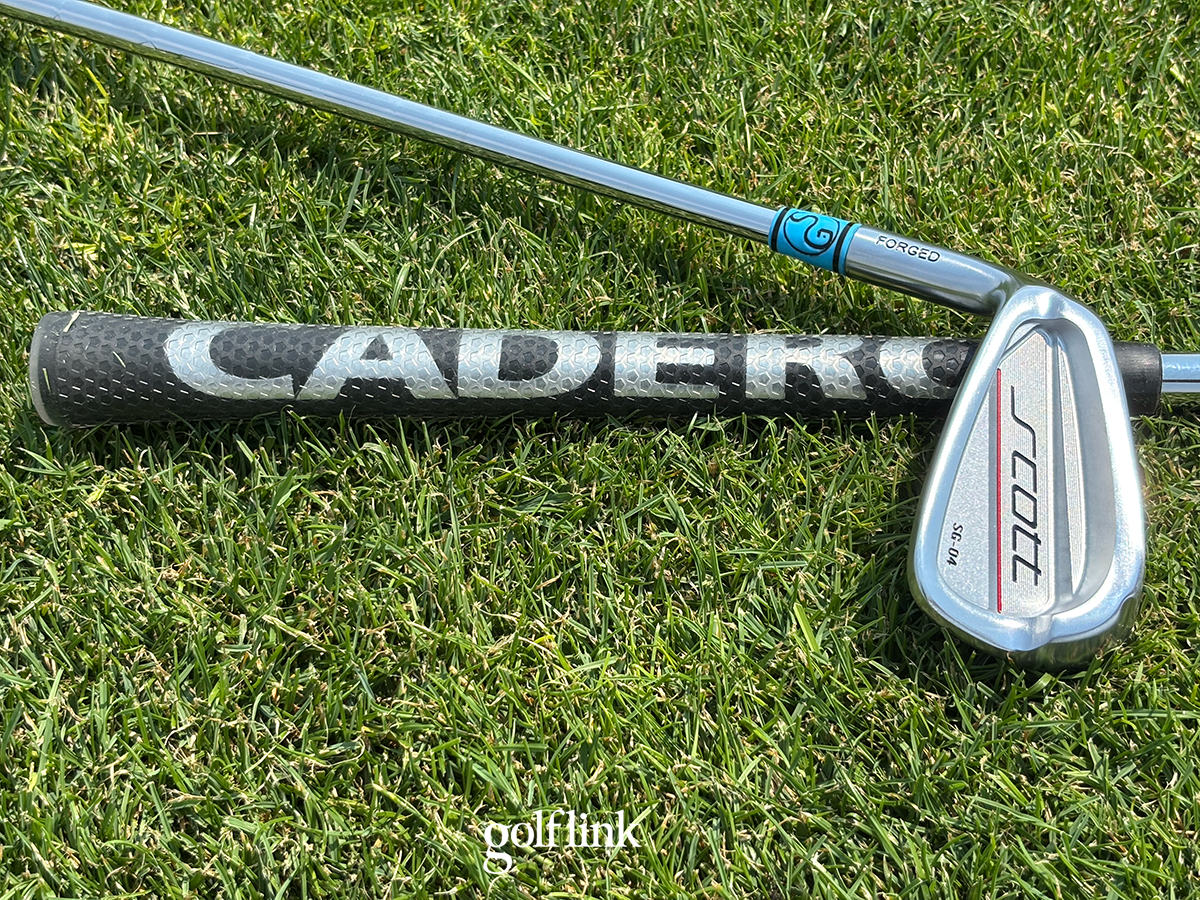
The detail work is hard to miss. The custom ferrule and CADERO grip both show that this isn't a mass-produced product.
Even though I prefer my Golf Pride MCC +4 hybrid grip over the all-rubber CADERO when the peak July heat makes dry hands an impossibility, those grips are a nice touch and complement the iron well.
On the Course
The headline result: my ball stopped noticeably closer to its pitchmark than anything else I've tested. I've watched too many approach shots release and roll through the back of greens, but the SG-04 stuck greens with ease.
The forgiveness held up in a spot where my game needs it. I have a pretty reliable miss pattern off the toe. That's actually a big reason why I play my current gamers, because they have a toe weight that helps me manage that miss. With the SG-04, my toe strikes held consistent, predictable distances instead of the usual weak and short ball flight I'd expect from that miss. That's why people play a forgiving iron: not for how it performs when you flush one, but how much you lose when you don't. On the SG-04, the answer was "not much."
The Numbers: SG-04 vs. My Sub 70 659 TC Gamers
I tested the SG-04 irons on the SkyTrak ST MAX launch monitor, side-by-side with my current gamers (Sub 70 659 TC) for a baseline. Both irons use the same KBS Tour 110 R shafts.
The full numbers from that test are below, but I’ll summarize the obvious takeaway for you first.
The SG-04 irons performed virtually identical in every way except one to my 659 TC irons. In other words, from a performance standpoint, they deliver the same launch, spin, height, and stopping power as a player's iron built for single-digit handicappers. Yet they have a large footprint with weighting that makes them forgiving across the face.
The only difference that stood out from the data between the two irons was that I struggled to square the face with the Scott Golf irons compared to my gamers. That’s not surprising considering one iron is brand new to me and the other is my everyday gamer, so this wasn’t a red flag to me, just an observation. The biggest impact that had was sidespin and ultimately, yards offline. Because of that, Sub 70 irons stayed much closer to the center on average than the SG-04 irons.
|
Metric |
659 TC PW |
SG-04 PW |
659 TC 7i |
SG-04 7i |
659 TC 5i |
SG-04 5i |
|---|---|---|---|---|---|---|
|
Club Speed |
82 |
82 |
86 |
87 |
90 |
88 |
|
Ball Speed |
97 |
97 |
112 |
114 |
120 |
119 |
|
Smash Factor |
1.17 |
1.19 |
1.29 |
1.3 |
1.33 |
1.36 |
|
Launch |
27° |
26° |
20° |
20° |
17° |
16° |
|
Spin (RPM) |
8369 |
8030 |
5770 |
6096 |
4932 |
5079 |
|
Carry (yds) |
122 |
123 |
158 |
159 |
176 |
173 |
|
Roll (yds) |
1 |
1 |
5 |
5 |
9 |
9 |
|
Total (yds) |
122 |
124 |
163 |
164 |
184 |
182 |
|
Descent |
51° |
52° |
46° |
47° |
43° |
42° |
|
Apex (yds) |
30 |
28 |
28 |
28 |
26 |
24 |
|
Club Path |
2° |
0.9° |
2.9° |
1.4° |
3° |
2.6° |
|
Face to Target |
2° |
3.1° |
2.2° |
4.8° |
2° |
4.2° |
|
Offline (yds) |
6 |
10 |
6 |
24 |
4 |
20 |
A few more takeaways from the launch monitor comparison:
- Launch was within 1 degree across all three irons
- Spin was within 350 RPM across the board
- Carry distance was within 1 yard on two of the three irons and within 3 yards on the third
- Roll was identical on all three
- Descent angle never varied by more than 1 degree
This data proves the concept. The SG-04 isn't trying to out-distance other irons. It's trying to match a player’s iron while adding forgiveness.
Scott Golf SG-04 Iron Specs
|
4 Iron |
5 Iron |
6 Iron |
7 Iron |
8 Iron |
9 Iron |
PW |
|
|
Loft (Degrees) |
23 |
26 |
30 |
34 |
38 |
42 |
46 |
|
Lie Angle (Degrees) |
61 |
61.5 |
62 |
62.5 |
63 |
63.5 |
|
|
Offset (mm) |
2.7 |
2.3 |
1.9 |
1.7 |
1.5 |
1.3 |
1.1 |
|
Bounce (Degrees) |
1 |
2 |
3 |
4 |
5 |
6 |
7 |
Who Should Actually Buy These
Let's start with the obvious: you need to be willing to drop a lot of money to buy these irons. This is that “one big catch” I teased earlier. Spending $1,899 on a set of irons is no joke, even by today’s standards.
This is a luxury, handcrafted set of irons, not a mass-market knockoff, and the price reflects that. That means this isn't the iron set that resonates with the masses, which is too bad in my opinion, because the underlying concept absolutely should. But quality’s not cheap.
If the investment works for your budget, here's who I'd point toward the SG-04:
- Golfers who can hit more greens through increased height, spin, and descent angle rather than more raw distance;
- Players who want to play a forged iron but are worried they won’t offer enough forgiveness;
- Anyone who appreciates the small details like custom ferrules, thoughtful grip choices, and the sense that someone sweated the details.
My playing partners agreed without any prompting: the concept is bang-on, and there's a real audience out there that OEMs have been ignoring: players who benefit from the forgiveness of a typical game improvement iron but actually want to shoot lower scores by hitting (and holding) more greens.
Whether the rest of the industry follows Scott Golf's lead is the more interesting question — and one I don't think has an answer yet.