
Golf has a way of convincing you that every problem in your game can be solved at checkout. Slicing it? New driver. Three-putting? New putter. But if you're spending too much, there are almost always cheaper versions of the products you see on TV. That's one piece of golf advice that most pros won't give you.
Should you save or should you splurge? The truth is usually somewhere in the middle. In some categories the premium versions are worth every dollar. In others, you’re paying for a logo, a minor material upgrade or a feature you’ll use twice a season.
So I lined up nine popular categories of gear the way most of us actually shop: a budget pick next to a premium pick. I'll show you what the splurge buys you, what the save gives up, the price gap, and who should save. This guide is built to help you decide where to save and where to splurge.
For perspective, the nine "save" picks add up to about $1,300 and the nine splurge picks come to about $4,100. That's a big difference, but over half of it comes from one category.
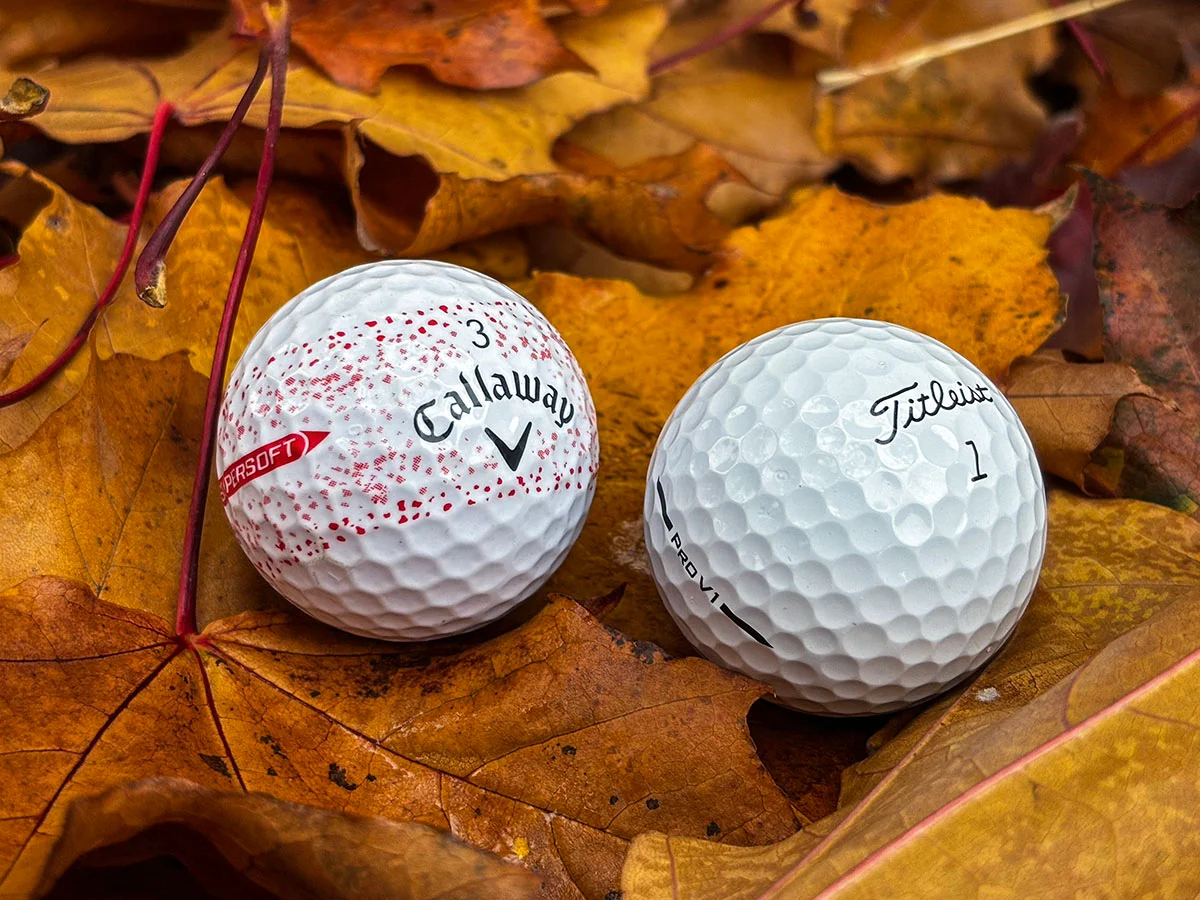
Golf Balls: Titleist TruFeel vs. Titleist Pro V1
- Price gap: $24.97 vs. $57.99 a dozen, about $33 more for Pro V1.
- What the splurge gets you: A cast urethane cover and a faster high-gradient core, for low spin off the tee and wedges that check up.
- What the save gives up: Greenside spin and stopping power. The feel stays soft, and so does the Titleist consistency.
- Who should save: Golfers who lose a few balls a round, or who don't yet control spin around the green.
The Soft-Feel Titleist Golf Ball for Everyday Rounds
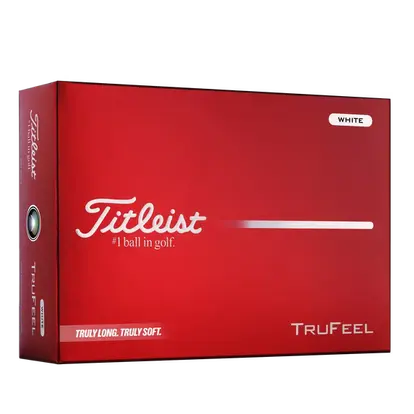
TruFeel is Titleist's ultra-soft distance ball. You get Titleist's consistency on a ball you won't mind losing in the drink. You give up greenside control: Pro V1's cast urethane cover is what makes chips and wedge shots check up quickly. If you lose a few balls a round, that's the trade to weigh.
The Tour Ball That Grabs the Green From the Fairway or the Fringe
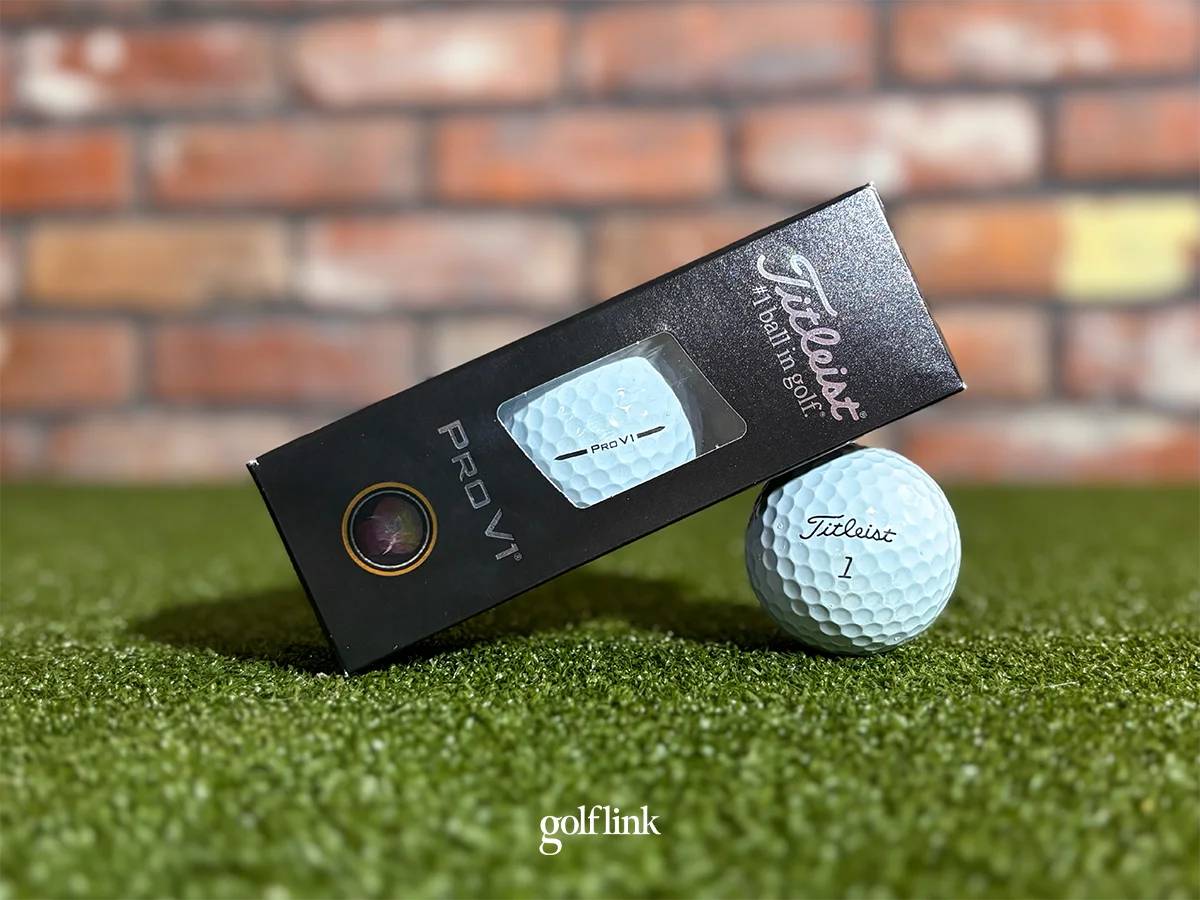
The Titleist Pro V1 pairs a faster high-gradient core with a soft cast urethane cover, so you get low spin off the driver for distance and elite bite from wedges. The cover is built for a penetrating, consistent flight. The extra money buys short-game control, which pays off most for players who are fighting to get up-and-down to save par when they miss the green, and those who need well-struck iron shots to land and stick from 150 yards out.
Rangefinder: Blue Tees Series 3 Max+ vs. Bushnell Tour V7 Shift
- Price gap: $199.99 vs. $399.99, a $200 difference.
- What the splurge gets you: Slope First, which shows the plays-like number first in green on a dual-color OLED display. Also a flag lock that flashes and vibrates, and club recommendations when paired with Bushnell's Link.
- What the save gives up: The OLED display, the vibration on flag lock and club suggestions. You keep slope (switchable for tournaments), a cart magnet and a rechargeable battery.
- Who should save: Golfers who mainly want a fast, accurate number to the pin.
The Slope Rangefinder That Charges Like Your Phone

The Series 3 Max+ gives you everything that most golfers use: a Slope Switch you can turn off for tournament play, a magnet for the cart bar and a built-in USB-C rechargeable battery. You can flip the display between red and black for bright or dim lighting. What you don't get is Bushnell's Slope First display, its vibrating flag lock or club recommendations.
The Bushnell Rangefinder That Shows Your Plays-Like Number First
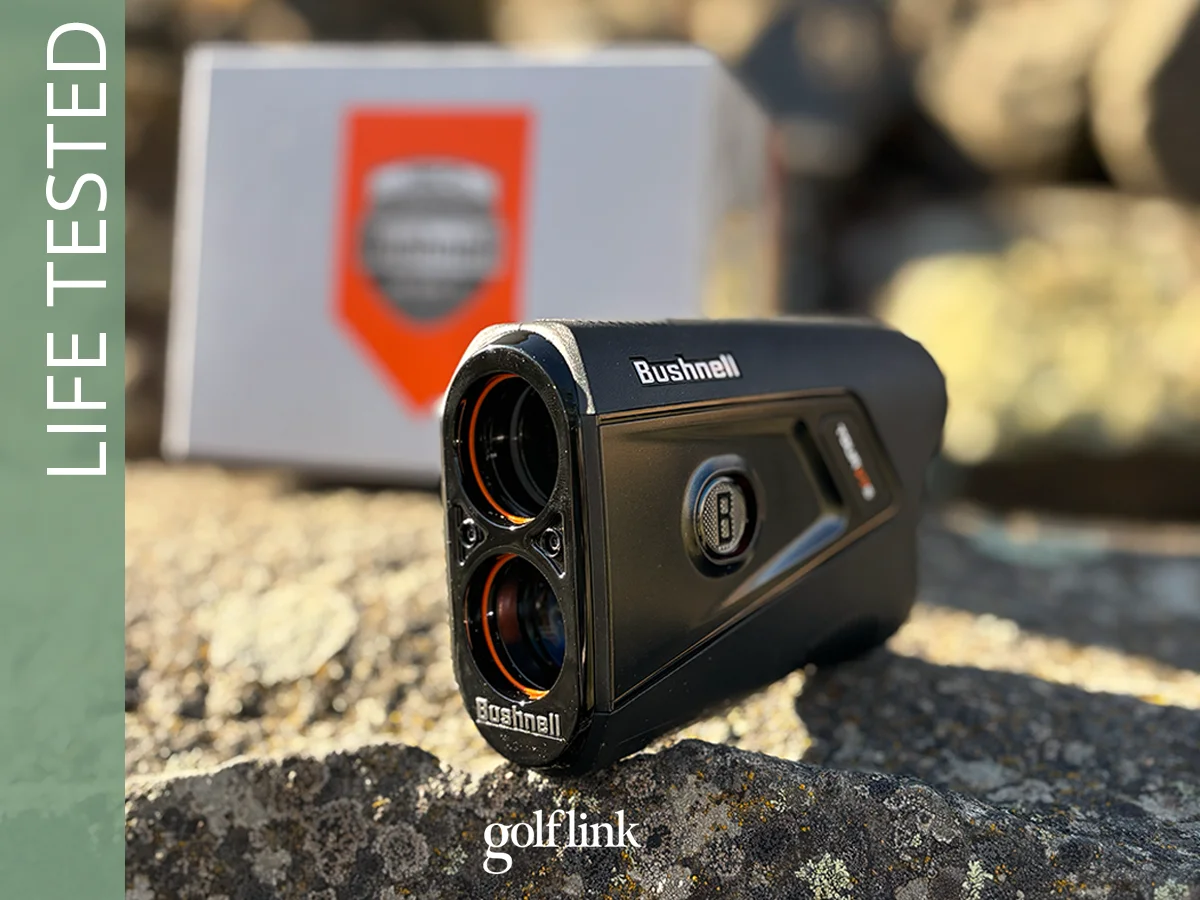
Tour V7 Shift's Slope First Technology puts the compensated, plays-like distance up front in green on a dual-color OLED display. PinSeeker with Visual JOLT confirms the flag lock, and the BITE magnetic mount holds it to the cart. Paired with Bushnell's Link, it adds MyBag plays-like distances and club recommendations. It's true that most tour pros trust Bushnell as their go-to rangefinder (when allowed), but in our thorough testing, we haven't come across a budget alternative that can't compete with premium options when it comes to accuracy.
Glove: FootJoy WeatherSof vs. FootJoy Pure Touch
- Price gap: $12.97 vs. $40.00, about three WeatherSofs for each Pure Touch.
- What the splurge gets you: Select Cabretta leather prepared for a thin, supple feel, sold in limited shops.
- What the save gives up: That premium leather feel. In return you get an all-climate glove you can rotate.
- Who should save: Anyone who wears out gloves quickly or plays in humid or damp conditions.
The FootJoy Golf Glove You Can Keep in Rotation
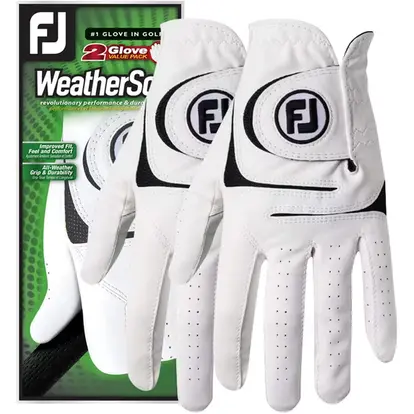
WeatherSof is FootJoy's all-climate leather glove, with a PowerNet mesh insert for breathability and a fit tuned across the palm, knuckles and cuff. Keep two in the bag and swap when one gets damp or shows wear. The trade is feel: it isn't the thin Cabretta leather of the Pure Touch.
The Cabretta Glove FootJoy Sells in Limited Shops

Pure Touch uses FootJoy's select Cabretta leather, prepared with a proprietary process for a supple, thin feel on the grip. Targeted elastic keeps the fit snug through the swing. If you burn through gloves quickly, the WeatherSof is the more practical rotation.
Driver: TaylorMade SIM2 Max vs. PING G440 K
- Price gap: $349.98 vs. $649.99, about $300.
- What the splurge gets you: PING's highest-MOI adjustable driver, with a 32-gram back weight you can set to Neutral, Draw or Fade, a faster T9S+ face and a more muted sound.
- What the save gives up: Several generations of updates (SIM2 Max is a 2021 model) and the adjustable back weight. It keeps the forgiveness-first design: a heavy rear weight, carbon sole and crown, and Twist Face.
- Who should save: Golfers who want a forgiving, name-brand driver and don't need the latest model. Get fitted before you splurge.
The Older TaylorMade Driver Still Built for Forgiveness
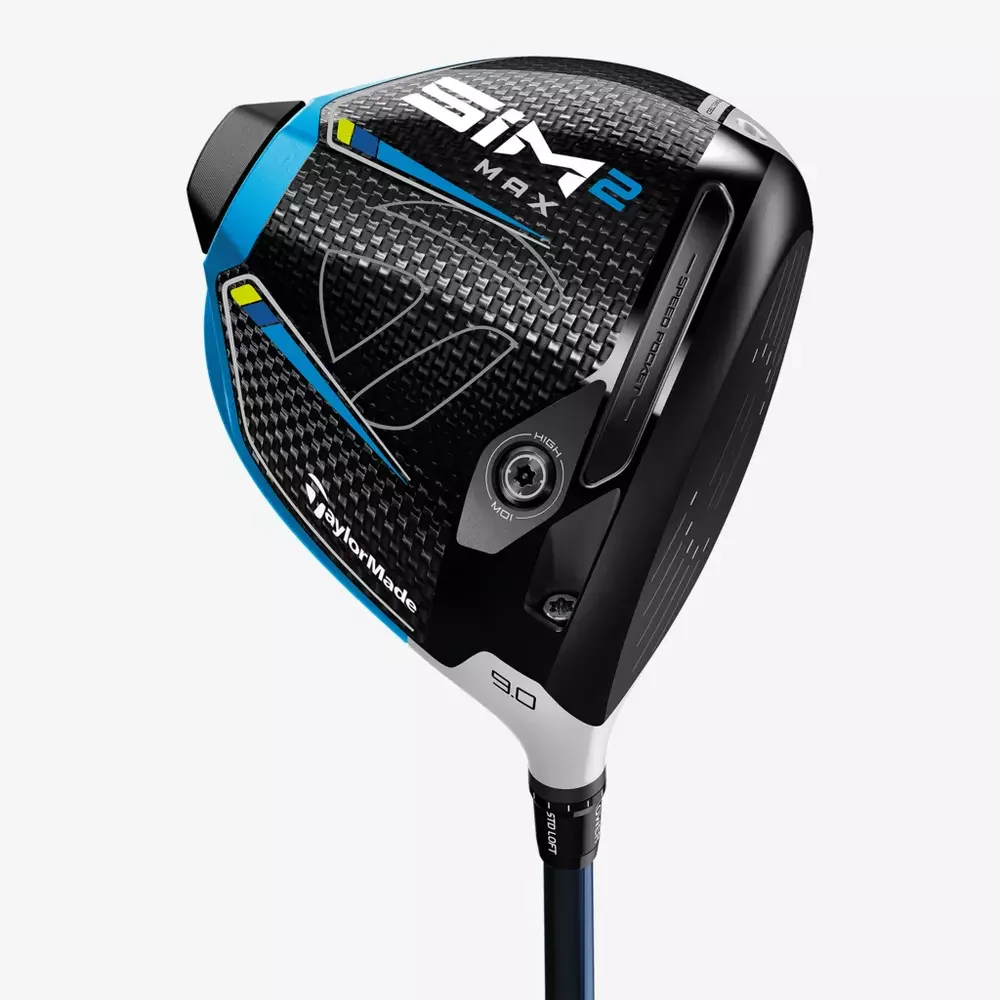
SIM2 Max is becoming a legendary driver. Released in 2021 (that's old by modern driver standards), it's still relevant today. It uses a forged aluminum ring to combine a heavy rear weight and a full carbon sole and crown, pushing mass back for stability on mishits. A Speed Injected Twist Face and Thru-Slot Speed Pocket help hold ball speed on heel, toe and low-face strikes. What you give up is a few generations of updates, including the G440 K's movable back weight for shot shape.
PING's Highest-MOI Adjustable Driver
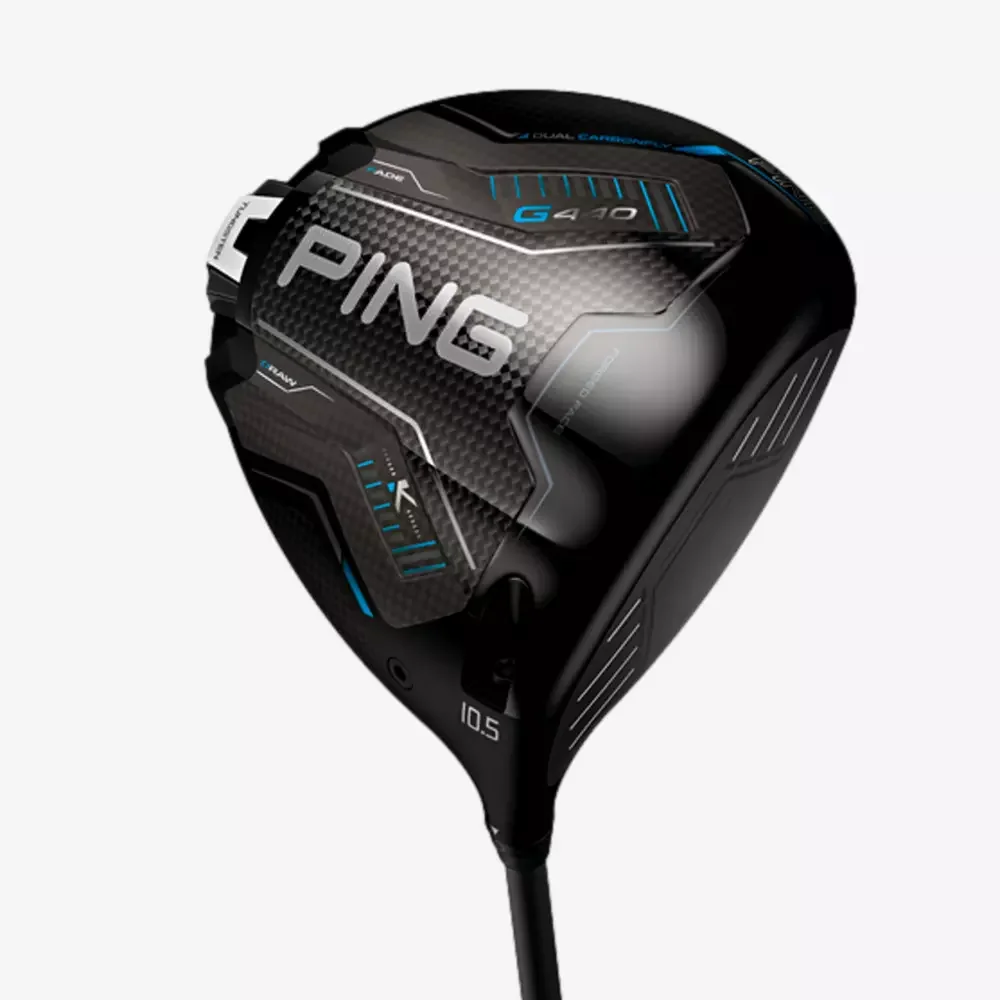
The G440 K puts a 32-gram back weight on the perimeter for PING's highest MOI in an adjustable driver, and you can set it to Neutral, Draw or Fade. A faster T9S+ face is built to hold ball speed across the face. Ribs on the crown and sole mute the sound for a more solid feel at impact.
Zero Torque Putter: Wilson Infinite ZT 606 vs. L.A.B. Golf DF3
- Price gap: $199.99 vs. $399.99, $200 difference.
- What the splurge gets you: L.A.B.'s Lie Angle Balance, hand-balanced on every putter, in a smaller, cleaner shape than the original Directed Force.
- What the save gives up: The hand-balancing and the L.A.B. pedigree. Wilson's zero-torque design also aims to keep the face square, in a milled mid-mallet.
- Who should save: Anyone curious about putters that stay square on their own but not ready to commit to the L.A.B. price.
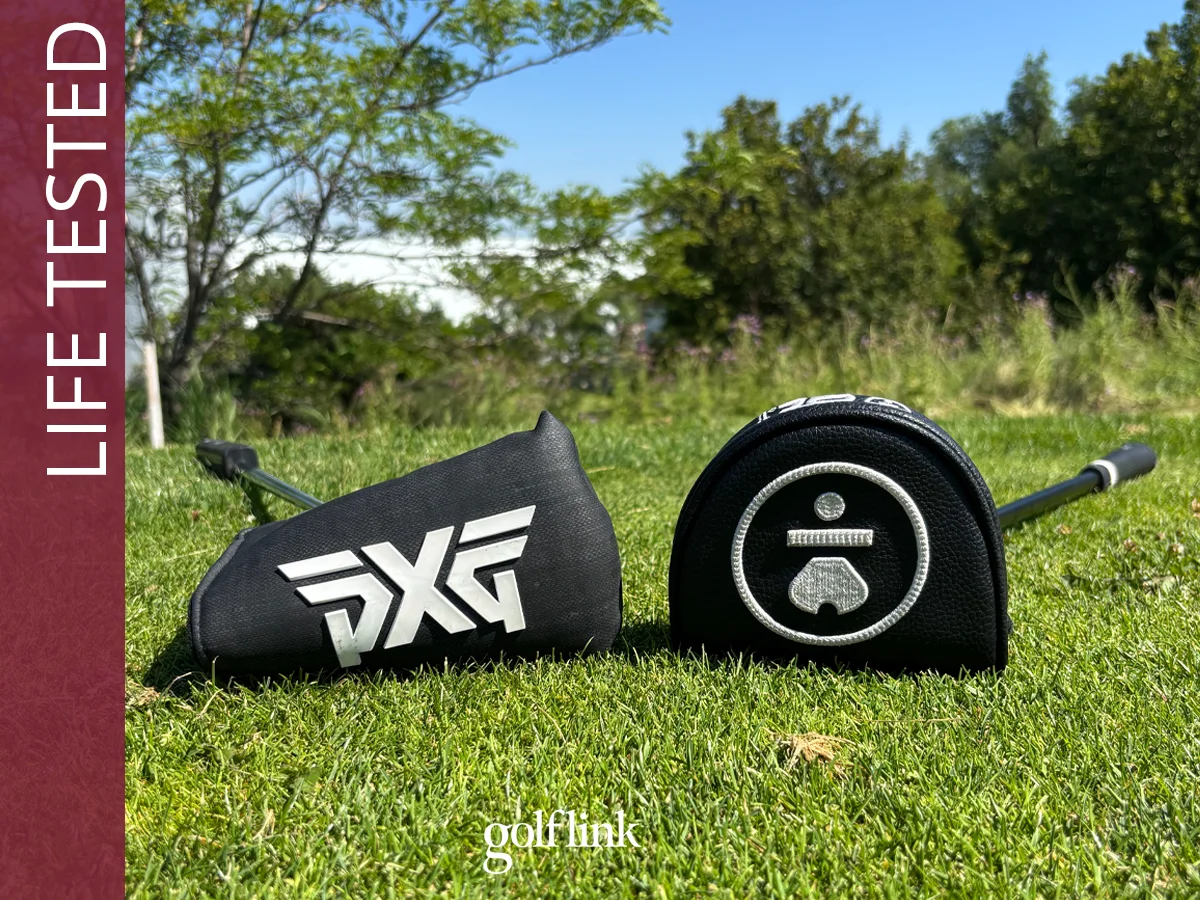
The Zero-Torque Putter From Wilson, Headcover Included
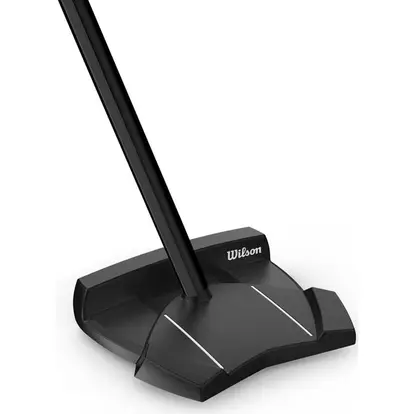
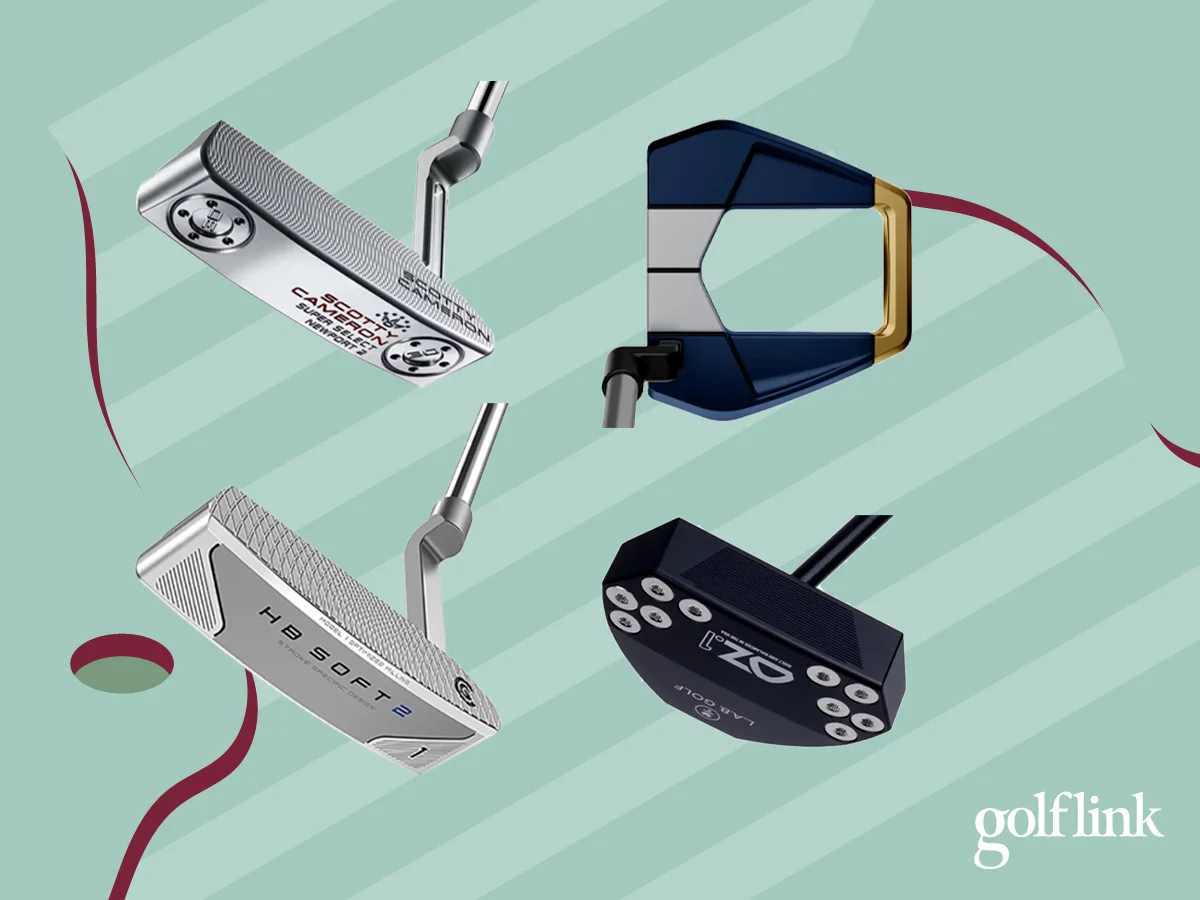
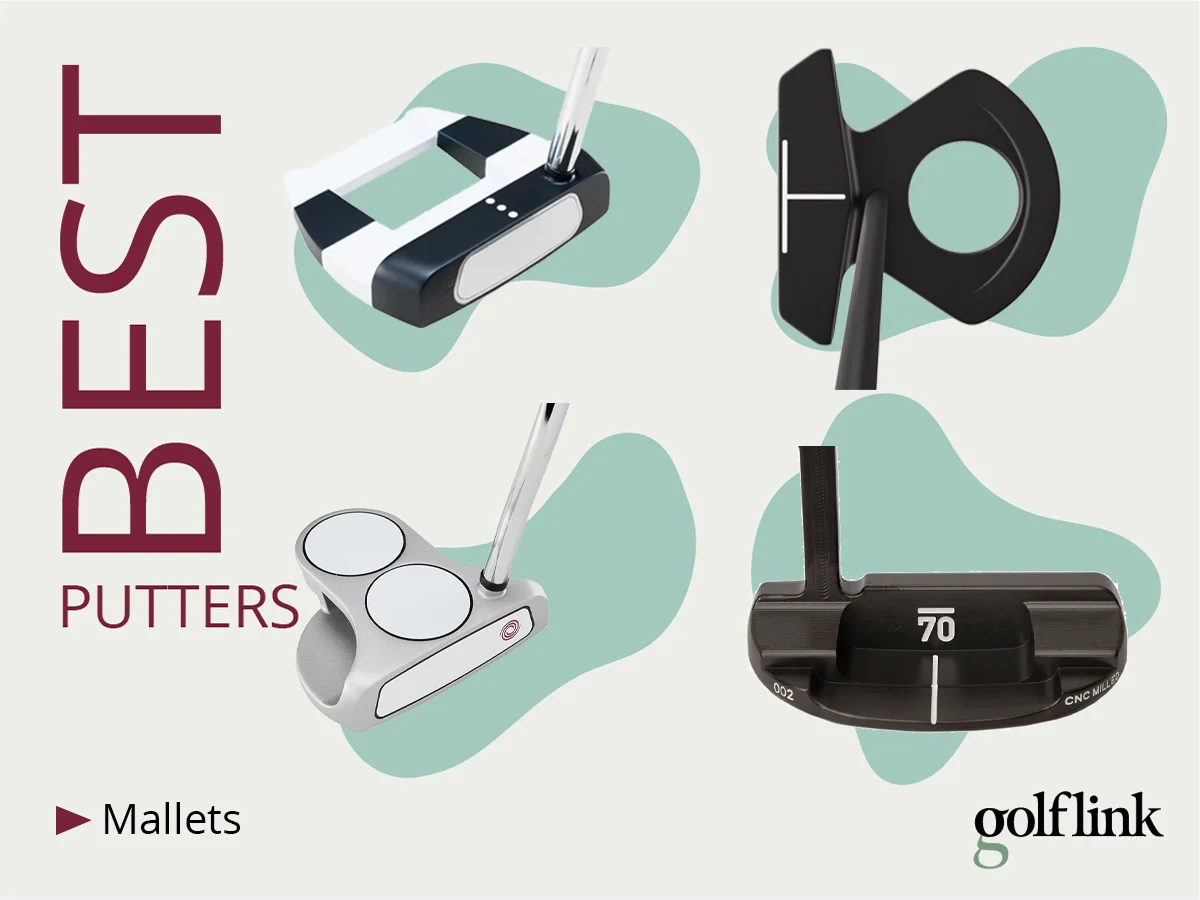
Affordable zero torque putters are finally here. The Infinite ZT 606 positions its center of gravity to minimize face rotation, so the face stays square through the stroke. It's a milled mid-mallet with two lines framing the ball and a dot for precise aim. You get the zero-torque idea without paying for L.A.B.'s hand-balancing on every head.
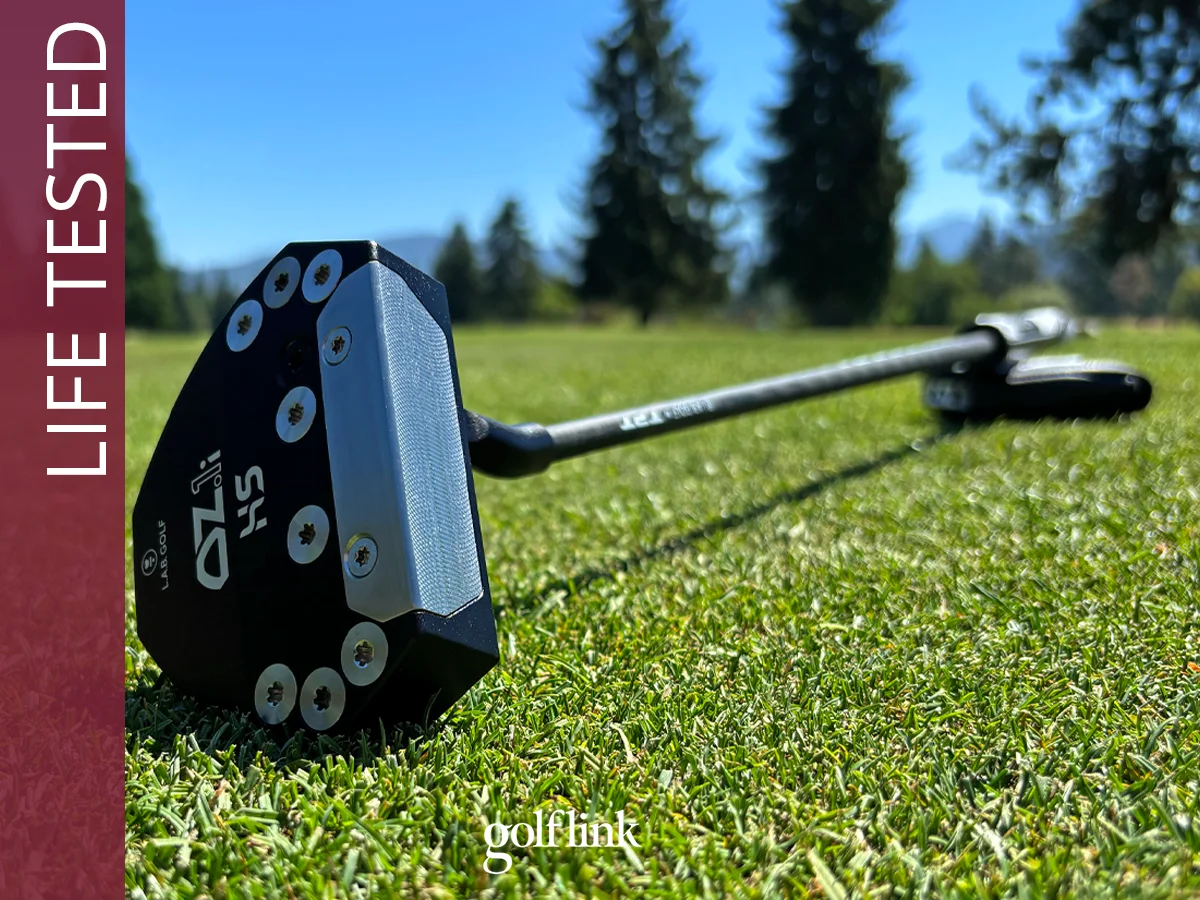
The L.A.B. Putter That Stays Square on Its Own
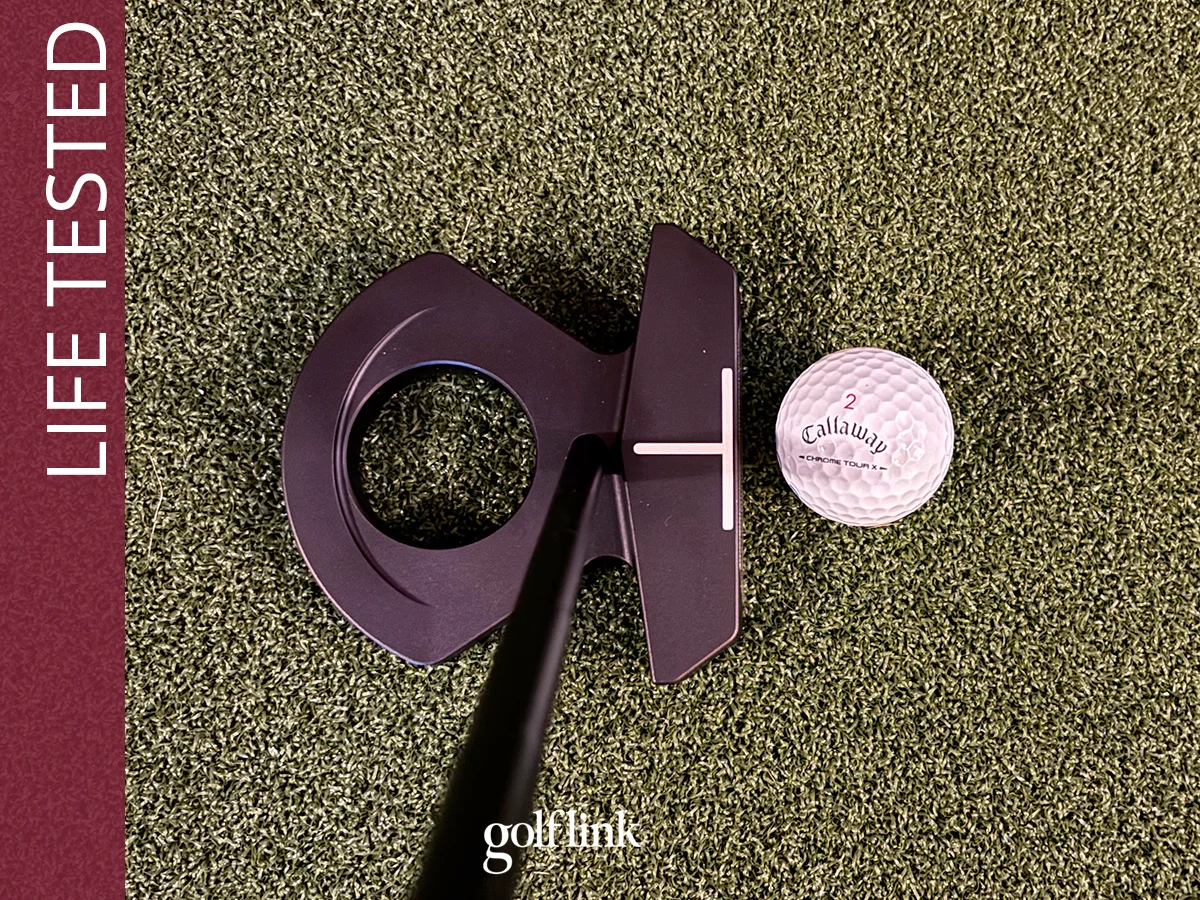
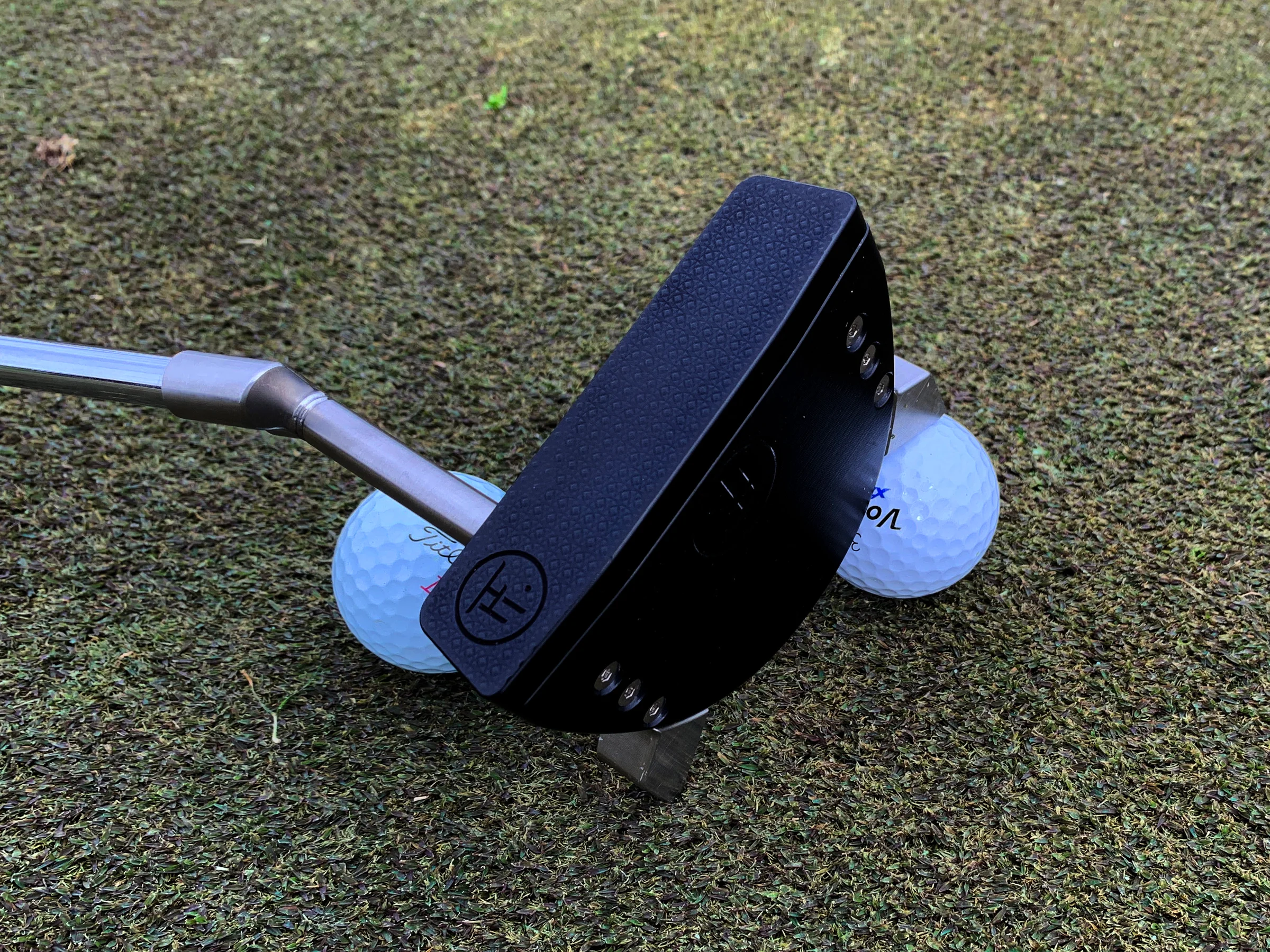
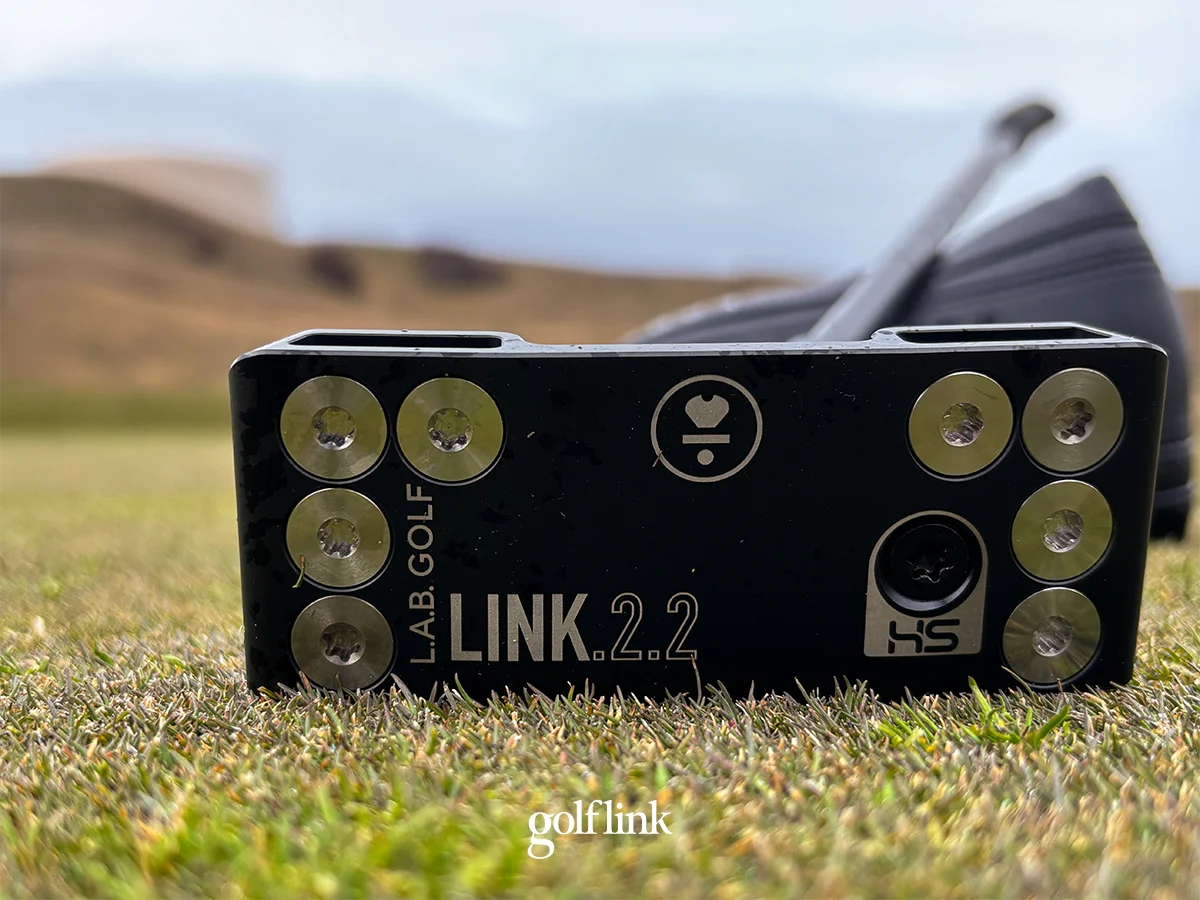
DF3 is Lie Angle Balanced, so the face stays square by itself and holds up on mishits. It's a smaller, cleaner-looking version of L.A.B.'s original Directed Force head. Every L.A.B. putter is hand-balanced, since Lie Angle Balance depends on the head, shaft and grip working together.
Push Cart: CaddyTek CaddyLite 11.5 V3 vs. Bag Boy Nitron
- Price gap: $139.95 vs. $319.99, about $180.
- What the splurge gets you: One-step auto-open, a deep scorecard and phone console, a magnetic plate for a rangefinder, a handle brake and Top-Lok bag attachment.
- What the save gives up: Speed of setup and on-cart storage. The CaddyLite still weighs under 14 pounds and folds with the bag on.
- Who should save: Walkers who want wheels and don't need the extras.
The Lightweight Push Cart That Folds Easily

The CaddyLite 11.5 V3 weighs under 14 pounds and folds easily. It also has a convenient foot brake, an umbrella holder, a storage basket and front-wheel alignment adjustment. The give-ups are a one-step auto-open, a console for your phone and scorecard, and a question mark on longevity, which in my experience, is the biggest gamble with budget push carts.
The Push Cart That Springs Open in One Step
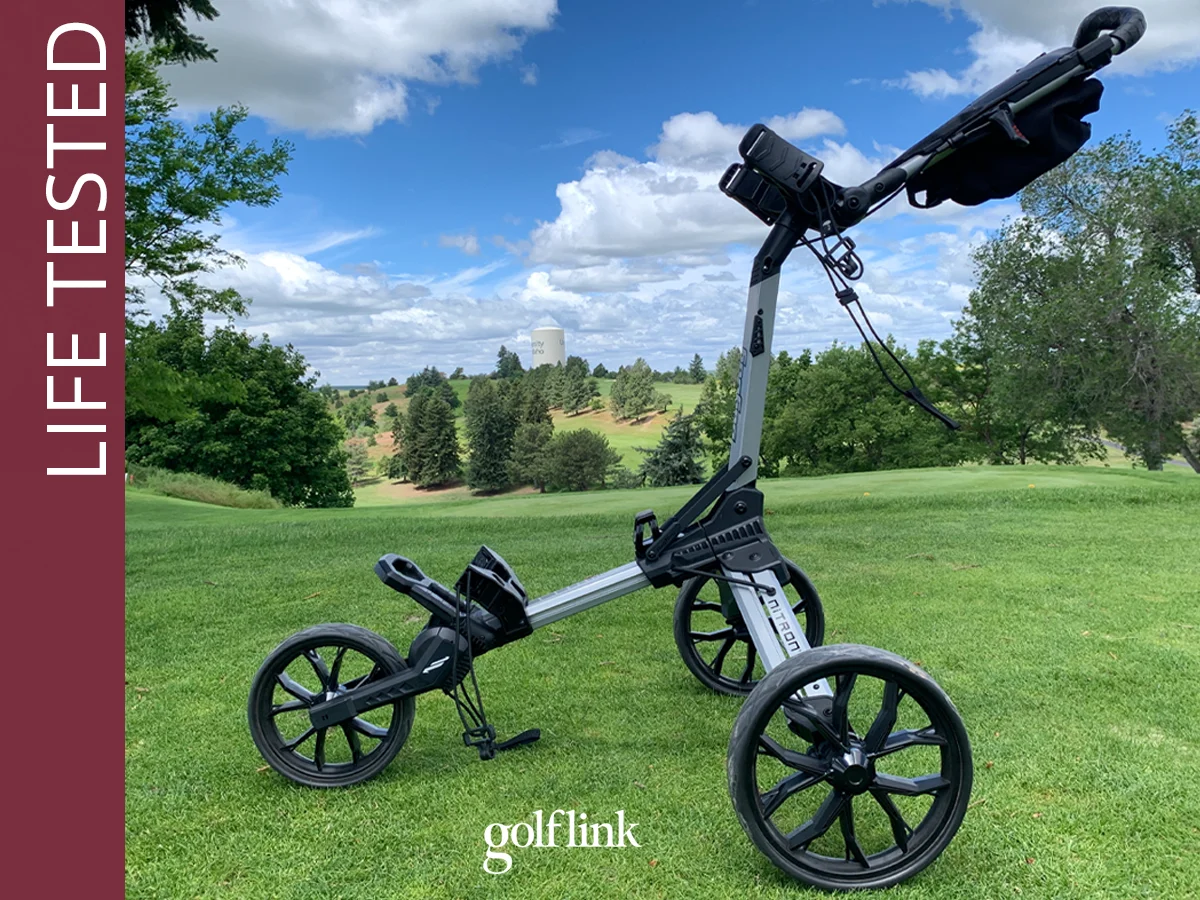
Bag Boy's Nitron uses a Nitro-Piston to open in one step, with no clips or levers to mess with. A magnetic plate holds a rangefinder or speaker, and the console has a deep scorecard tray plus spots for a phone and drink. The parking brake sits on the handle, and Top-Lok locks the bag to the cart. This is the push cart I've used for a few seasons now, and it's still going strong.
Stand Bag: Izzo Ultra-Lite vs. Titleist Players 4 Carbon
- Price gap: $99.99 vs. $310.00, about $210.
- What the splurge gets you: Carbon fiber legs, Titleist's premium double strap, a larger hip pad and upgraded zippers.
- What the save gives up: Premium materials and finish. Not weight: 3.2 pounds vs. 3 pounds.
- Who should save: Walkers who care more about the weight on their shoulders than the logo.
The 3.2-Pound Stand Bag With a Rain Hood Included
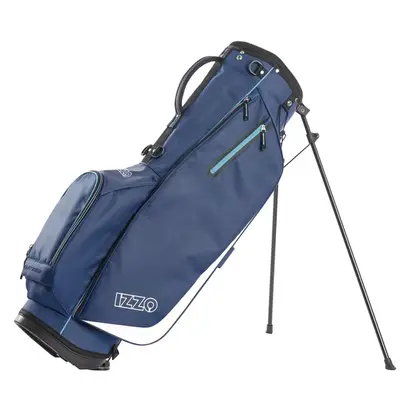
Izzo's Ultra-Lite weighs 3.2 pounds and has a 4-way padded top with two full-length dividers. You get four pockets including a velour-lined valuables pocket, plus a dual strap, umbrella holder and rain hood. Next to the Titleist you give up carbon fiber legs, a larger hip pad and upgraded zippers, though the two weigh almost the same.
Titleist's 3-Pound Stand Bag on Carbon Fiber Legs
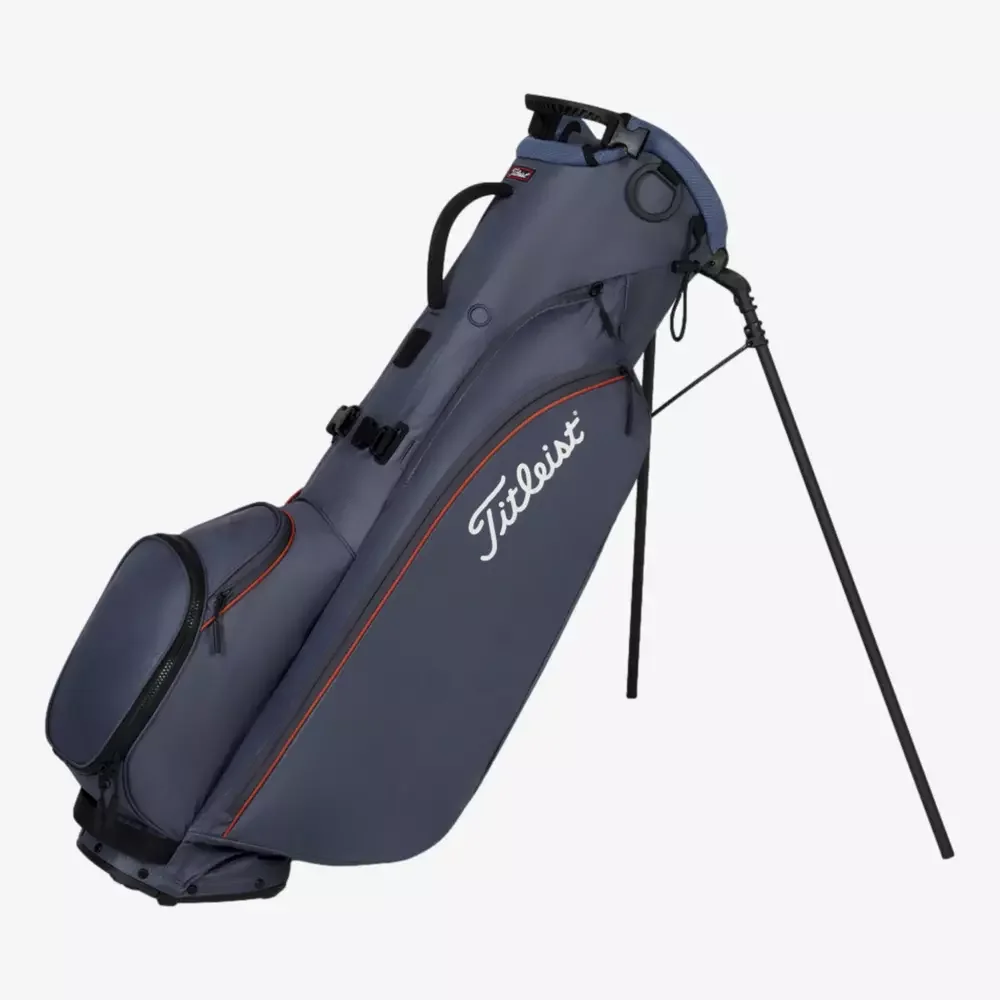
The Players 4 Carbon weighs just 3 pounds and stands on durable carbon fiber legs. Titleist's premium double strap and larger hip pad are built for walking, and the rivetless top cuff protects your shafts. It comes in multiple colorways, with upgraded zippers compared to earlier versions.
Golf Shoes: Puma Ignite Articulate vs. TRUE linkswear OG3 Pro
- Price gap: $59.99 (Amazon, varies by color up to $79.87) vs. $199, about $140.
- What the splurge gets you: TRUE's wide toe box and zero-drop cushioned platform, a redesigned spikeless TPU outsole and a two-year waterproof warranty, at 12 ounces.
- What the save gives up: A year of waterproof warranty and the zero-drop, natural-foot feel. It's still waterproof, in a wide fit, with Ignite Foam cushioning and removable Tornado cleats.
- Who should save: Wide-footed golfers who want spikes and waterproofing without paying for a premium brand.
The Waterproof Puma Golf Shoe on a Budget
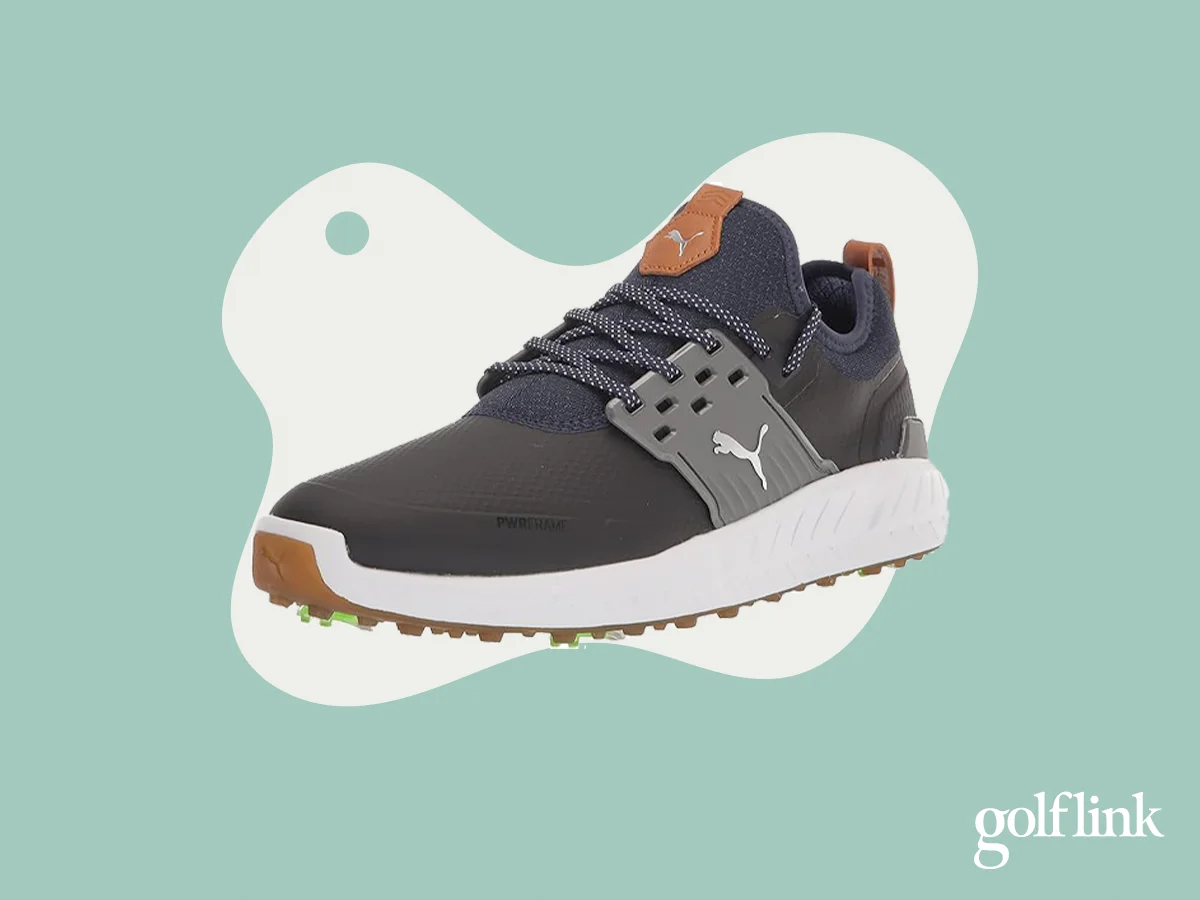
The Ignite Articulate gives you a waterproof spiked shoe with Ignite Foam cushioning and a TPU saddle and frame for midfoot support. Removable Tornado cleats and hex traction lugs handle grip, and a mesh bootie makes it easy to step into. Against the TRUE, you give up a year of waterproof warranty and the zero-drop, wide-toe-box feel.
The Zero-Drop Golf Shoe With a Wide Toe Box
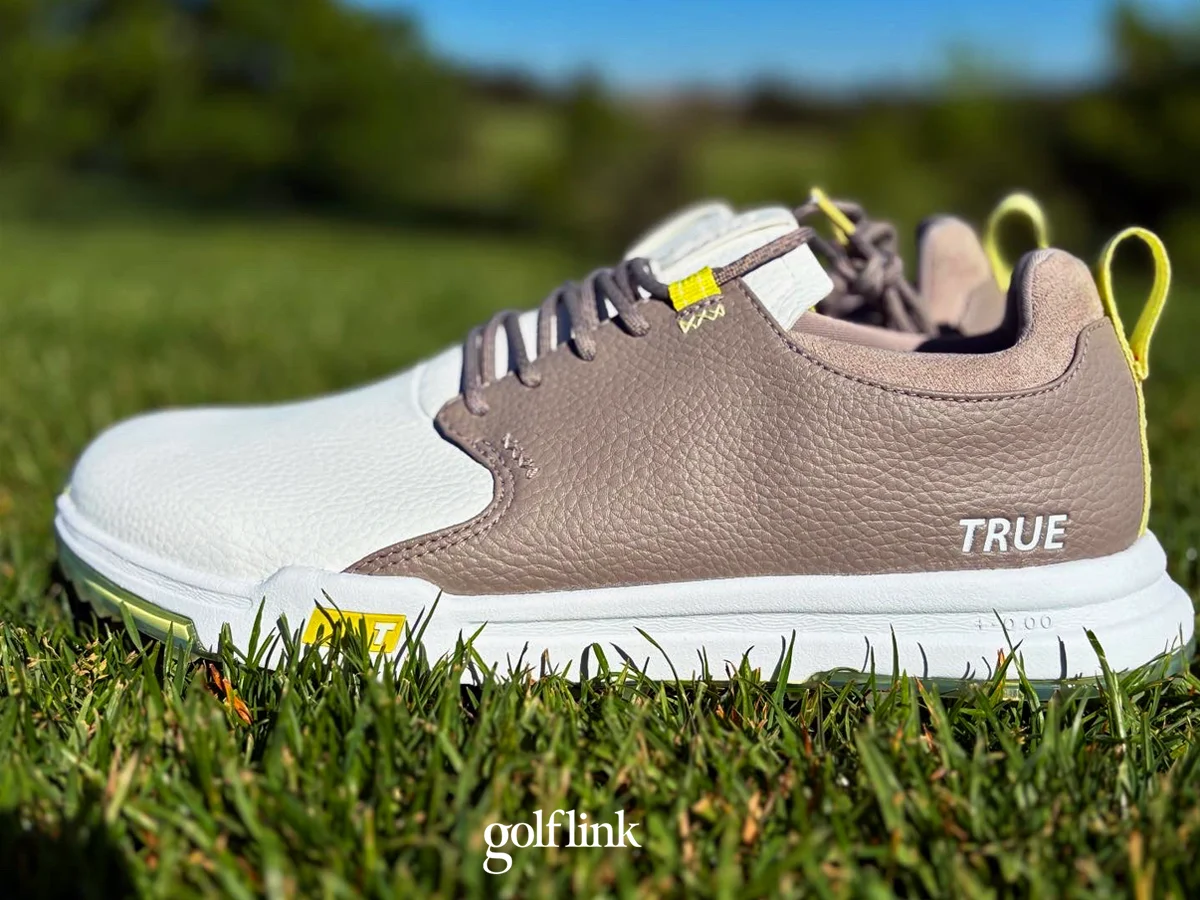
The OG3 Pro sits on TRUE's cushioned, zero-drop platform with a wide toe box, for a natural feel through the round. A redesigned TPU spikeless outsole adds grip and lateral stability, and the shoe weighs 12 ounces. TRUE backs the waterproofing with a two-year warranty, and I give it the nod as the best golf shoe I've tested in the last few years.
Launch Monitor: Shot Scope LM1 vs. Foresight GC2
- Price gap: $199.99 vs. $1,699.99, a $1,500 difference.
- What the splurge gets you: Two high-speed cameras that photograph the ball at impact, Foresight+ for course play and practice, and a 5-7 hour battery for the range.
- What the save gives up: Everything past five numbers (club speed, ball speed, smash, carry, total) and simulator play. You still get a built-in screen with no phone needed.
- Who should save: Golfers who mainly want carry yardages and speed tracking at the range.
The Pocket-Size Launch Monitor With Its Own Screen
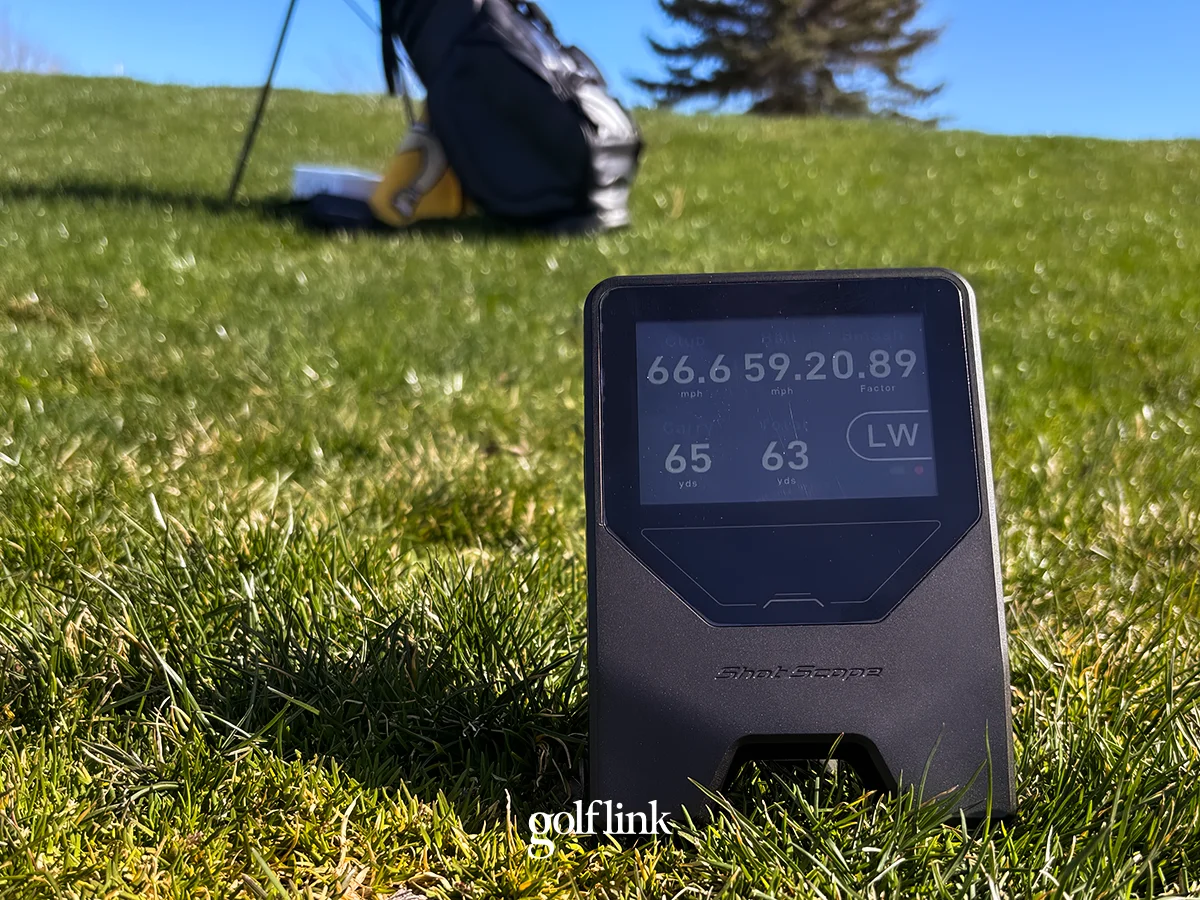
The LM1 reads club speed, ball speed, smash factor, carry and total distance on a 3.5-inch color screen, no phone required. It sits behind the ball, works indoors or out, and has a speed-training mode for clubs or speed sticks. Its readout stops at those five numbers, so for full impact data and simulated course play you'd step up to the GC2.
The Camera-Based Launch Monitor for the Garage or the Range
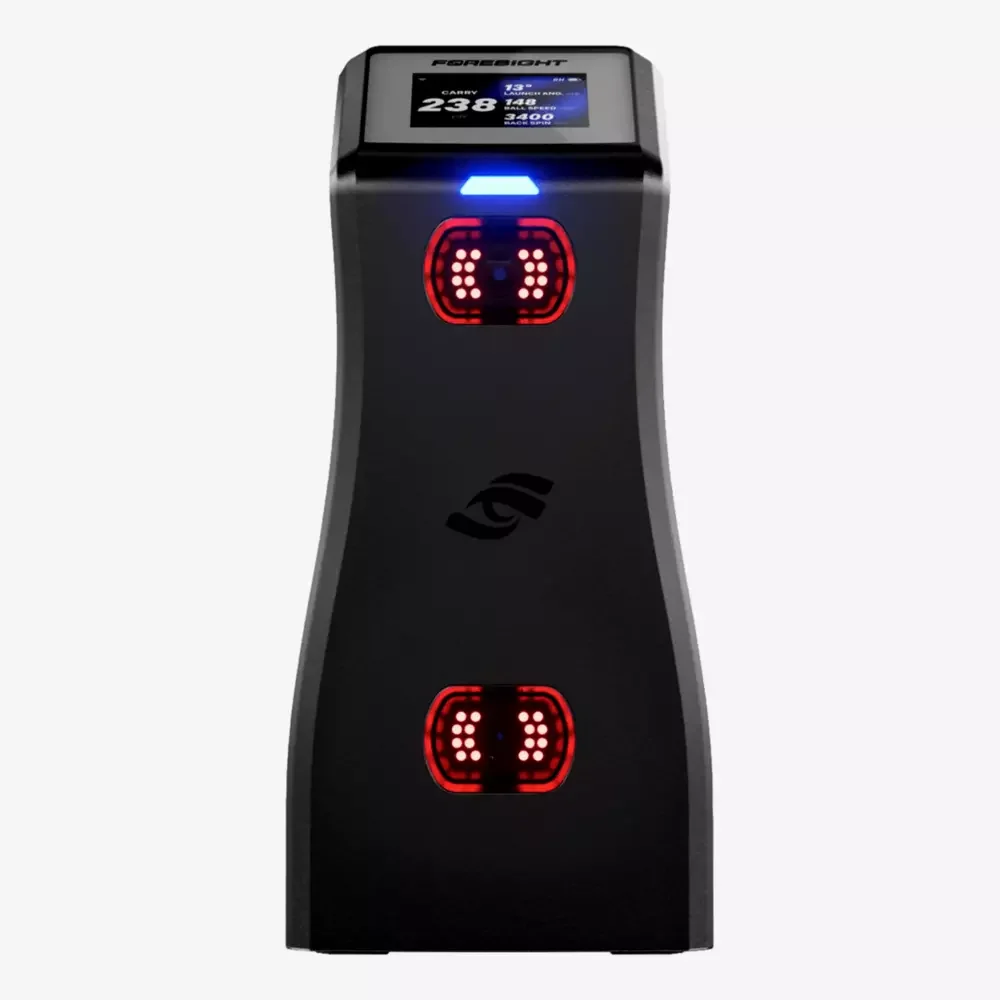
The GC2 uses two high-speed cameras to evaluate the ball through impact, so its numbers don't change depending on the room you're hitting in. It runs on Foresight+ for real-course play and practice, and a 5-7 hour battery covers range sessions. It's the step up from the LM1 if you want full impact data and a home simulator.