What Is Inside a Golf Ball? The Mystery and History Uncovered
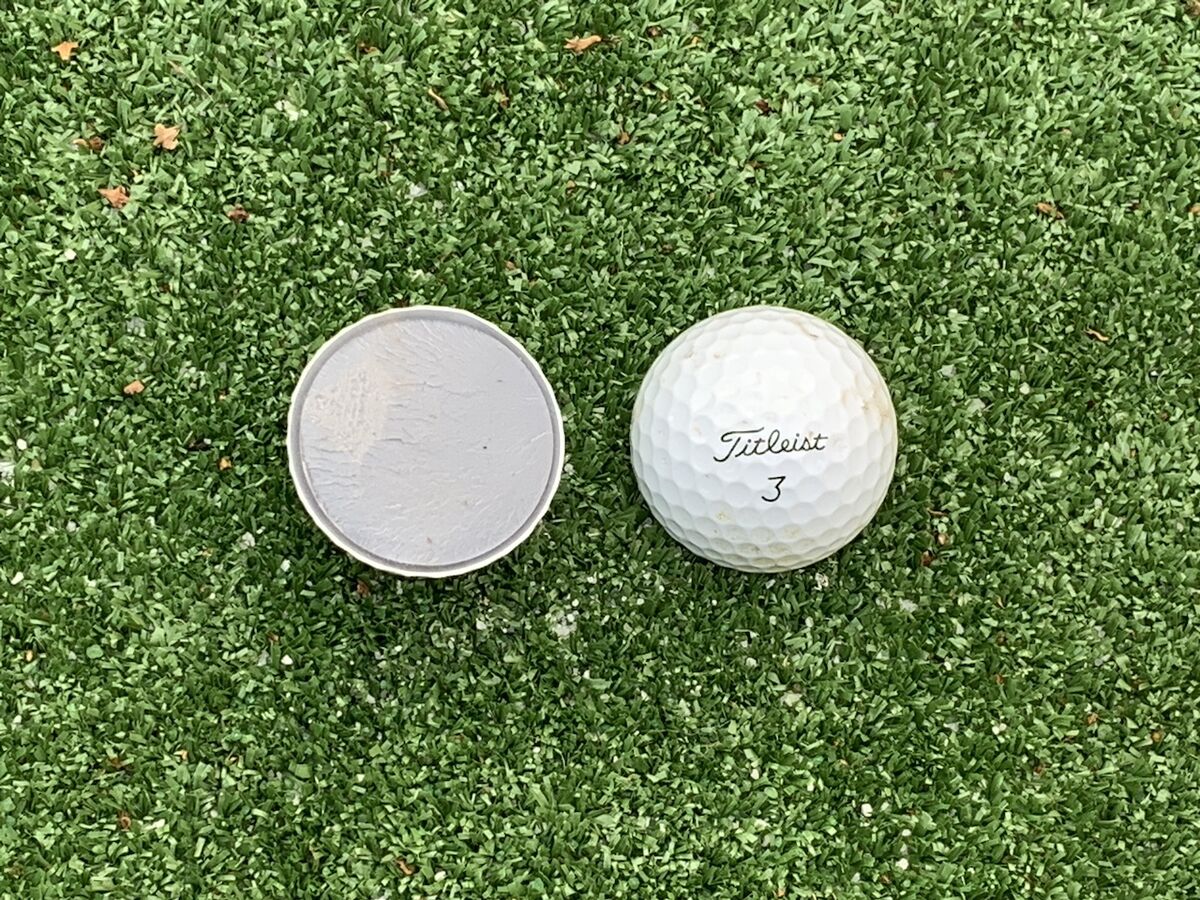
Golf balls have not changed much on the outside over the years. However, the inside has changed drastically throughout golf's history and continues to evolve today.
The center of a golf ball can significantly impact how far the ball will travel and how much control the golfer has over the trajectory of the ball and shape of the flight.
Inside Multi-Piece Golf Balls
There are so many different types of balls out there, from one-piece to six-piece, it’s important to know the difference.
One-piece golf balls should not leave the driving range. Never use a range ball to play a round. They’re designed to not travel as far as your gamer, and the course pro won’t appreciate range balls disappearing from their supply. The good news is they’re easily identifiable, with “RANGE” stamped on the ball in big, bold letters.
Two-piece balls have a large core and are wrapped in some type of plastic.
Three-piece balls have a solid rubber core and a thin layer of rubber, and are wrapped in a durable cover. Three-piece balls provide a softer feel and more spin than a one or two-piece golf ball. Four-piece balls build on three-piece balls with another thin layer that helps transfer the energy to the core.
Five-piece balls have three thin layers between the large core and cover. Six-piece balls have a softcore, but the biggest difference is that each layer after the core gets gradually firmer until the final layer, a softcover.
Golf Ball Covers
Not every company uses the same type of cover when it comes to their golf balls. The two main types of ball ball covers are urethane, and ionomer.
Ionomer Cover
Ionomer covered golf balls are the less durable of the two, and it’s cheaper to produce. However, these balls are still a solid choice because they provide plenty of feel. Ball covers made of ionomer don’t maintain their strength when they’re softened, and most of the time, they feel firmer than a urethane ball. Ionomer balls spin less off the tee.
Urethane Cover
Premium, expensive golf balls are usually urethane. This type of polymer is tough and flexible, meaning urethane can handle wear and tear.
Golf Ball Core
Today’s golf balls usually have a synthetic rubber core. Technology has shown that these rubber cores return the most energy put into them.
The core can be made stiffer and produced in different sizes and compression. Stiffer cores are popular among amateurs because they help with ball speed and distance for slower swing speeds. Softer cores are better for players who have a better grasp on their swing, and these balls help with control and spin around the greens.
With a core that’s manipulatable to different specifications, manufacturers are able to offer players the ability to find the best ball for them.
Dual-Core Balls
Some brands, including Titleist, Bridgestone, and Callaway, offer dual-core options, giving players the best of both worlds in terms of distance and control.
Myths About Poisonous or Explosive Golf Balls
The most popular myth about golf balls is that the center is either poisonous or explosive. Generations of children have been fascinated by the thought that the inside of a golf ball was poison gas or potentially explosive material.
Fortunately, this is nothing but an urban legend. In 1898, B.F. Goodrich produced golf balls with a compressed air core that had the unfortunate tendency of exploding from time to time, which may be the origin of the current myth.
Timeline of Golf Ball Makeup
Here's a look at how golf balls have evolved over the years at a glance.
| Year | Type of Ball |
| 1550 | Wooden Ball |
| 1618 | “The Featherie” ball consisted of horse or cow hide stuffed tightly with goose feathers then sewn together. |
| 1848-1890 | “The Guttie” is made from the rubbery sap of a tropical tree. By 1890, Dunlop and other rubber companies were able to manufacture molds and mass produce them. |
| 1898 | Haskell Ball, a solid rubber core wrapped with rubber thread, encased into a sphere of gutta-percha. This ball is the standard of the modern golf ball. |
| 1905 | The first dimple patterns were added to golf balls. |
| 1910 | Bramble Ball era |
| 1920s-1930s | USGA and R&A issued ball standards for weight and size. |
| 1920 | The Square Mesh ball |
| 1960s | Balata and rubber stopped getting used and companies began using urethane skins and synthetic resin cores. |
| 1931-1990 | Standards for USGA and R&A were slightly different as the R&A used a smaller-diameter ball in Scotland and a larger one in the states. |
| 1990 | Governing bodies came together and set a uniform standard. |
| 1992 | Companies began making multi-layer balls. They consisted of synthetic materials like surlyn or urethane blends. |
| 1995 | Spaulding releases Strata, a three-piece solid core ball with a thin mantle layer to add spin for control on shorter shots. They used urethane as a cover. |
| 2000 | The three-piece, Titleist Pro V1 became the first non-wound golf ball to gain wide acceptance among pro golfers. This ball set precedent for what companies use today. |
| 2021 | Four-, five- and six-piece balls, along with dual-cores balls, are available. |
Image: Nick Heidelberger/GolfLink