How to Read Greens: Nail the Fundamentals to Hole More Putts
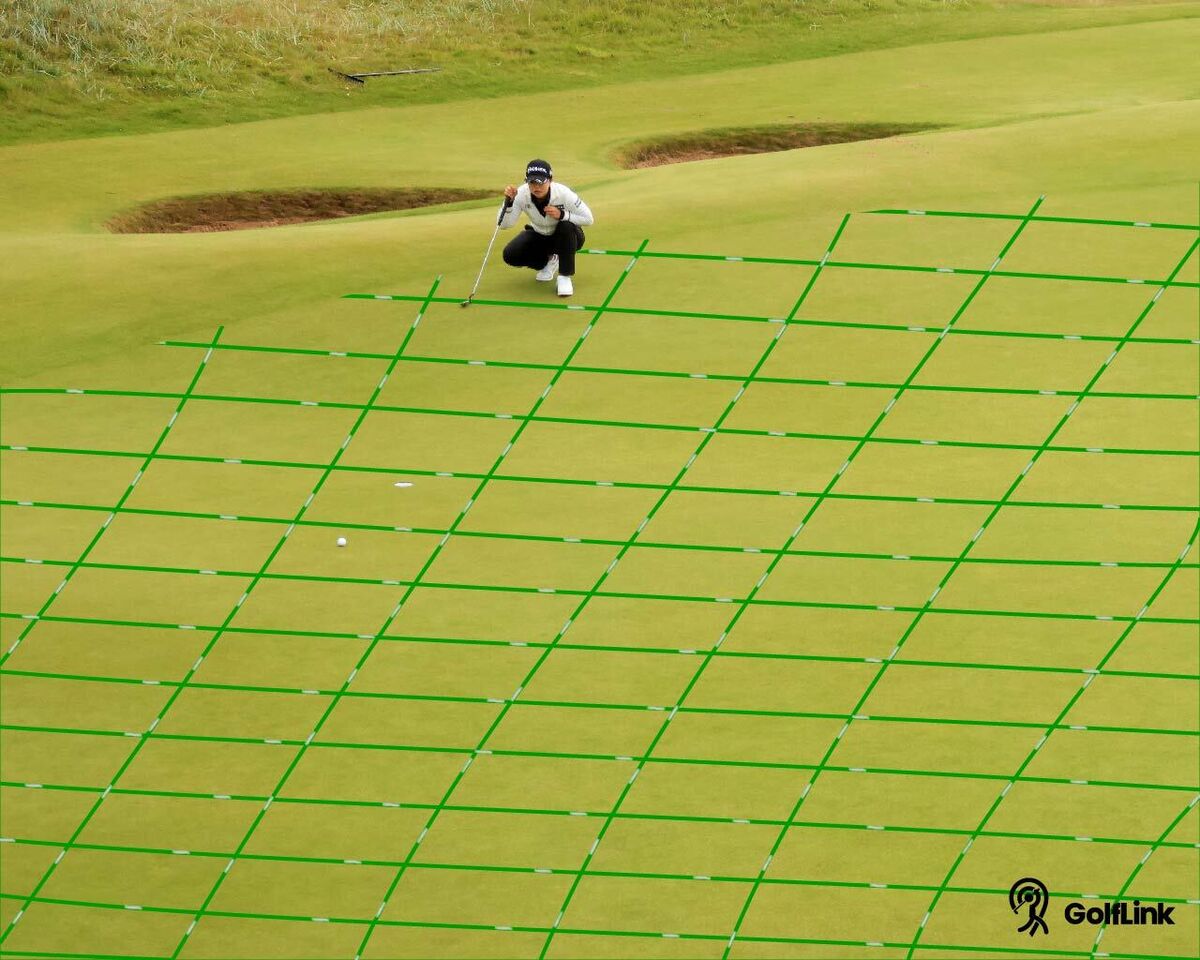
Are you an expert at reading greens? The fact is, many amateur golfers could use some work on their green-reading ability. While practice time is devoted to full swing mechanics, not nearly enough time is spent on the putting green. Here's how you can nail the fundamentals of reading a green.
If you struggle with how to read the way greens break, you’re not alone. It takes a trained eye to learn this skill and devoted practice. Hank Haney walks through the basic fundamentals of reading greens so you’ll be set up for success before you even line up your putt.
Helpful Note: There are no truly flat spots on a putting green. Every 10 feet of putting green requires at least one inch of break. That means you’re always putting with some break or elevation change, no matter the putt.
Survey the entire green. Now, imagine a giant bucket of water being dumped onto it. Where would the water runoff? Envisioning where the water would go will help you determine the high and low points of the green, and give you the same line that your ball will take.
After determining your break, aim so that your putt will drop in on the high side of the hole. This will ensure that you play enough break and avoid missing on the low side of the hole, which is nicknamed the "amateur side" because amateur players are notorious for not playing enough break and missing low.
Take into account the speed of the putt. The faster your ball is moving, the less it will be impacted by the break If it’s a downhill putt, look to play for softer contact. If the putt is uphill, account for some extra power in your stroke in order to get the ball to the hole.
Green Reading Methods
In addition to visualization and planning for the appropriate speed and break, there are various methods players use to read greens, including the aimpoint putting method, and plumb bobbing.
Aimpoint Putting
Have you ever seen a golfer stand behind their ball on the putting green and hold up two fingers? What exactly are they doing? This is called aimpoint putting, which is a method to determine the proper slope and speed of a putt.
It requires a commitment and some dedication to fully grasp the aimpoint putting method, but the dividends can be well worth the effort. This can be a valuable skill to learn if you are open to an unconventional method of reading greens.
Plumb Bob Method
Another common method of reading greens is the plumb bob technique. This involves standing behind your ball and holding up your putter to determine which way the putt breaks by way of what side the hole peaks out from the shaft of the putter.
Additional Drills
While all of the above methods and tips are useful, you might be in search of some additional drills ranging from tempo, speed, and eliminating three-putts. It's always a good idea to dedicate a good portion of your practice sessions to putting and green-reading.