History of Golf's U.S. Open
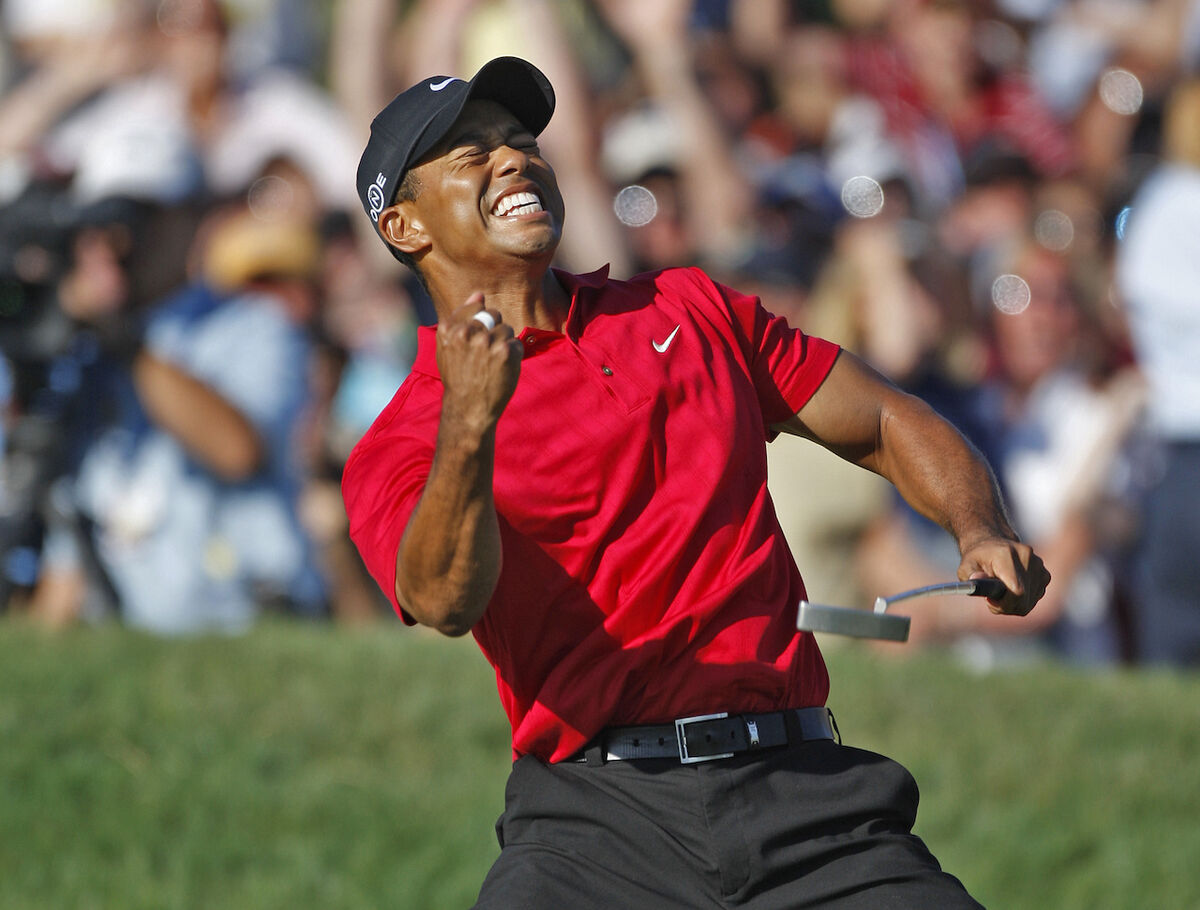
As the second-oldest major championship, the U.S. Open has plenty of notable history since it was first contested over 125 years ago. Founded by the United States Golf Association (USGA), the event only trails the Open Championship (British Open) in age for a major. Here is some of the history, and historical moments, the U.S. Open has had.
U.S. Open 101
The U.S. Open is well known for being one of the most difficult tournaments on the schedule each year. The USGA strategically picks courses and layouts to give players the toughest possible test of golf.
Courses that host the U.S. Open are typically longer than average and are altered prior to the tournament to increase the difficulty. For example, Torrey Pines had the potential to max out at 7,802 yards for the 2021 U.S. Open. That's a lot of ground to cover.
U.S. Open fairways are often narrowed and the rough is grown out, and sometimes one or more par-5s are reconfigured as par-4s for the tournament.
The U.S. Open is open to anyone regardless of age or gender, provided they have a handicap of 1.4 or less or are a professional.
The tournament has become the showcase event for American golf, however, in the beginning, it was British golfers who dominated the U.S. Open. Jack Nicklaus, Willie Anderson, Ben Hogan and Bobby Jones share the distinction of owning the most all-time U.S. Open wins, with four each.
The First U.S. Open
The first U.S. Open was played at the 9-hole Newport Country Club in Newport, Rhode Island in 1895. At the time, 18 hole courses had not yet become standard, and Newport Country Club was both a founding member of the USGA and claimed the membership of some of the wealthiest and most powerful Americans, including Cornelius Vanderbilt II and Theodore Havemeyer.
The first U.S. Open was a one-day stroke play event and in many ways was an afterthought to the three-day U.S. Amateur, also held for the first time at Newport in the days before the U.S. Open. This was in part due to the relatively small number of American professionals, with many American golf clubs instead bringing British golfers over to serve as club pros.
The first U.S. Open featured only 10 professional golfers and one amateur, and saw Newport’s club pro Horace Rawlins win the U.S. Open trophy. Rawlins was an English golfer competing in only his third tournament and used his home course advantage to enter the history books.
Early Years of the U.S. Open
In the early years the U.S. Open was dominated by British golfers, with the first 16 editions going to golfers from the British Isles. 1900 U.S. Open winner Harry Vardon is included in this period, one of the greatest golfers in history.
Today both the Vardon Trophy, awarded to the golfer with the lowest scoring average on the PGA Tour, and the Harry Vardon Trophy, awarded to the winner of the European Tour’s Race to Dubai, bears his name.
Twelve of the first 16 U.S. Open winners were Scottish, including four wins by Willie Anderson. Only fellow legends Bobby Jones, Ben Hogan and Jack Nicklaus have matched his haul. The tournament traveled around courses in America, but no American golfer was able to best the Brits until 1911.
An American Breakthrough
The 1911 U.S. Open was held at Chicago Golf Club, one of the USGA's founding clubs. By this point, the 18-hole course was fully established as the standard and the tournament had moved to the familiar four-day, 72 hole format that is still used today.
The 1911 tournament ended with Americans Mike Brady and John McDermott tied with Scotsman George Simpson. Amazingly, this was McDermott’s second time finishing the U.S. Open in a three-way tie for first, despite being the tender age of 19.
As was standard until 2018, the tournament champion would be decided by an 18-hole playoff. McDermott jumped to an early lead only to see it evaporate by the 14th hole, with Brady tying it up. The two traded shots until the final hole, when McDermott’s birdie secured the first American win at the U.S. Open Championship.
McDermott still holds the record for youngest U.S. Open winner and only “Young” Tom Morris, winner of the 1868 Open Championship, is a younger major championship winner. McDermott’s win ushered in an era of American dominance, with only 18 non-American winners from 1911-2020.
Notable U.S. Open Moments
The U.S. Open has seen many exciting moments and records.
The Last Amateur to Win the U.S. Open
In 1933, John Goodman, an insurance salesman, became the last amateur to win a major championship.
The Miracle at Merion
In 1950, the U.S. Open saw the “Miracle at Merion” when Ben Hogan won his second U.S. Open only 16 months after a car crash threatened to end his career. In 1973, Johnny Miller shot 8-under par at Oakmont to post the lowest single-round score in tournament history.
Tiger Woods Wins on a Broken Leg
Many point to Tiger Woods at the 2008 U.S. Open at Torrey Pines as the best singular performance at the event. Woods was recovering from knee surgery and was in visible pain as he limped around the course. It wasn’t until after the tournament that it was revealed that Woods was playing on a broken leg, having suffered a stress fracture while rehabbing from surgery.
To make it more amazing, Woods played an astonishing 91 holes of golf, having forced an 18 hole playoff that also ended tied before finally beating Rocco Mediate on the first sudden-death hole.
Arnold Palmer's Comeback Win
Perhaps Arnold Palmer's comeback victory after starting the final round seven shots off the lead in 1960 is the best performance by a golfer at the tournament.
Hinkle Tree
Only once has a course been redesigned during the playing of the U.S. Open. After Lon Hinkle played the eighth hole by driving between a gap in the trees onto the Inverness Club's 17th fairway, the organizers of the 1979 U.S. Open decided to hastily plant a tree there to close the gap. Hinkle had played the shot in the first round because it led to an easier shot onto the green and an eventual birdie. The quickly planted tree became known as the Hinkle Tree.
Phil's Close Calls
Phil Mickelson has yet to win a U.S. Open, the only major tournament he lacks, but he has finished runner up a record six times. One of those times was the emotional loss to Payne Stewart in 1999 just a few months before Stewart's untimely death.
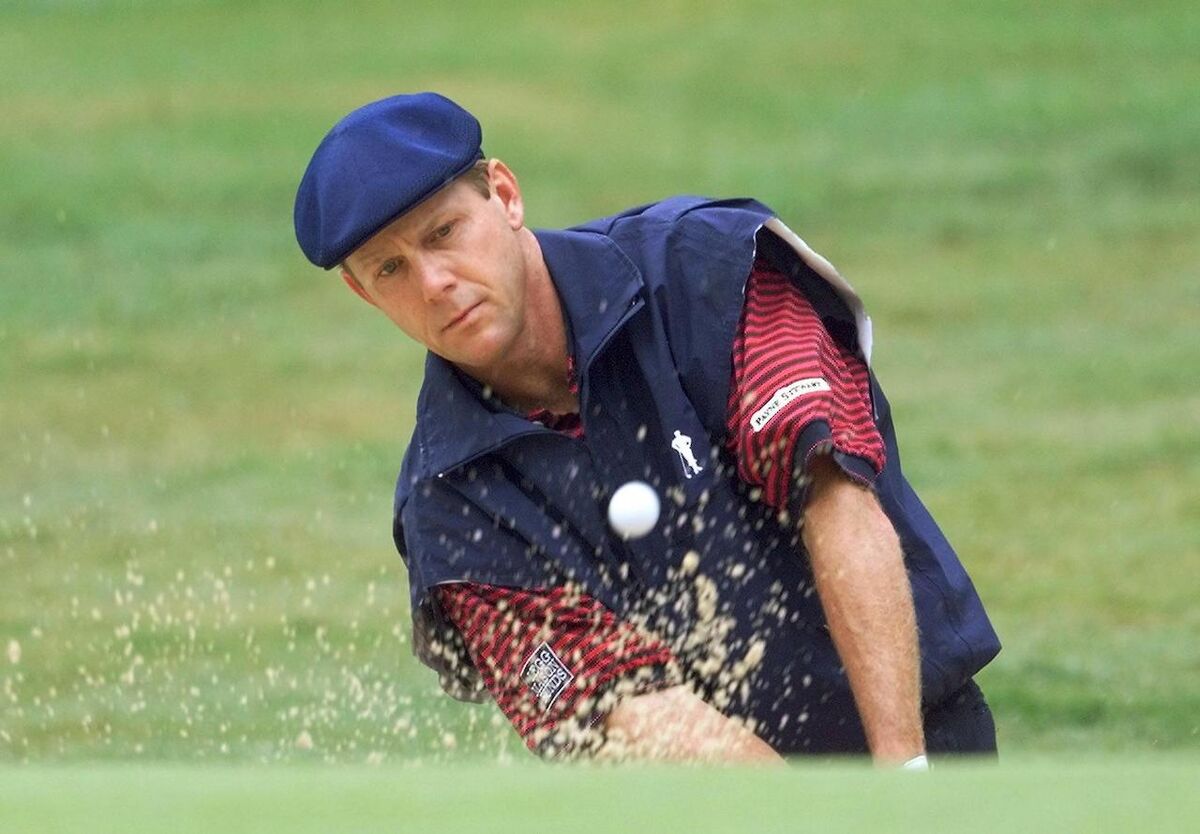
Memorably, Stewart walked over to Mickelson after the winning shot and congratulated Mickelson on the news that he would soon be a father. Such moments become embedded in the history of both the U.S. Open and the game of golf.
Jon Rahm's Rally
2021 delivered another first in U.S. Open history as Jon Rahm became the first golfer from Spain to win the event.
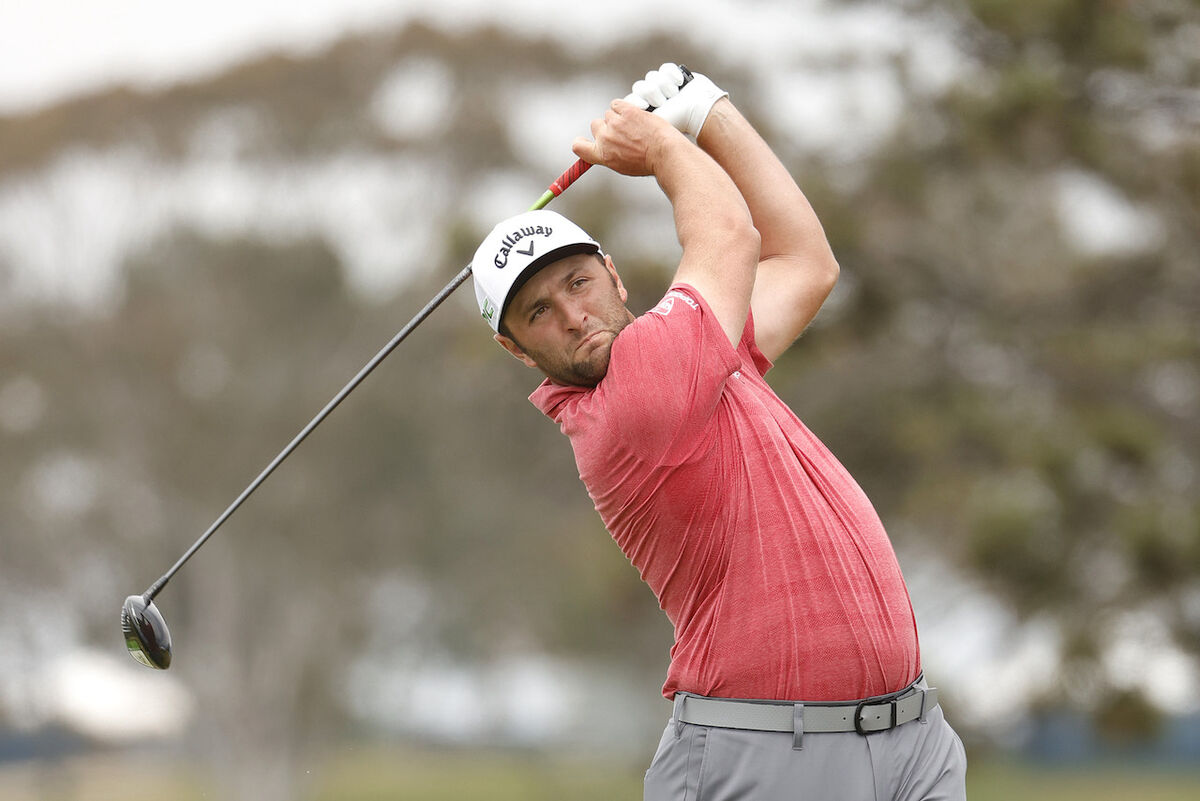
Rahm began the final round three shots back of the lead and rallied to win at Torrey Pines. A feat never accomplished by fellow legendary Spaniards such as Seve Ballesteros, Sergio Garcia, or Jose Maria Olazabal.