Benefits and Disadvantages of Offset Golf Clubs
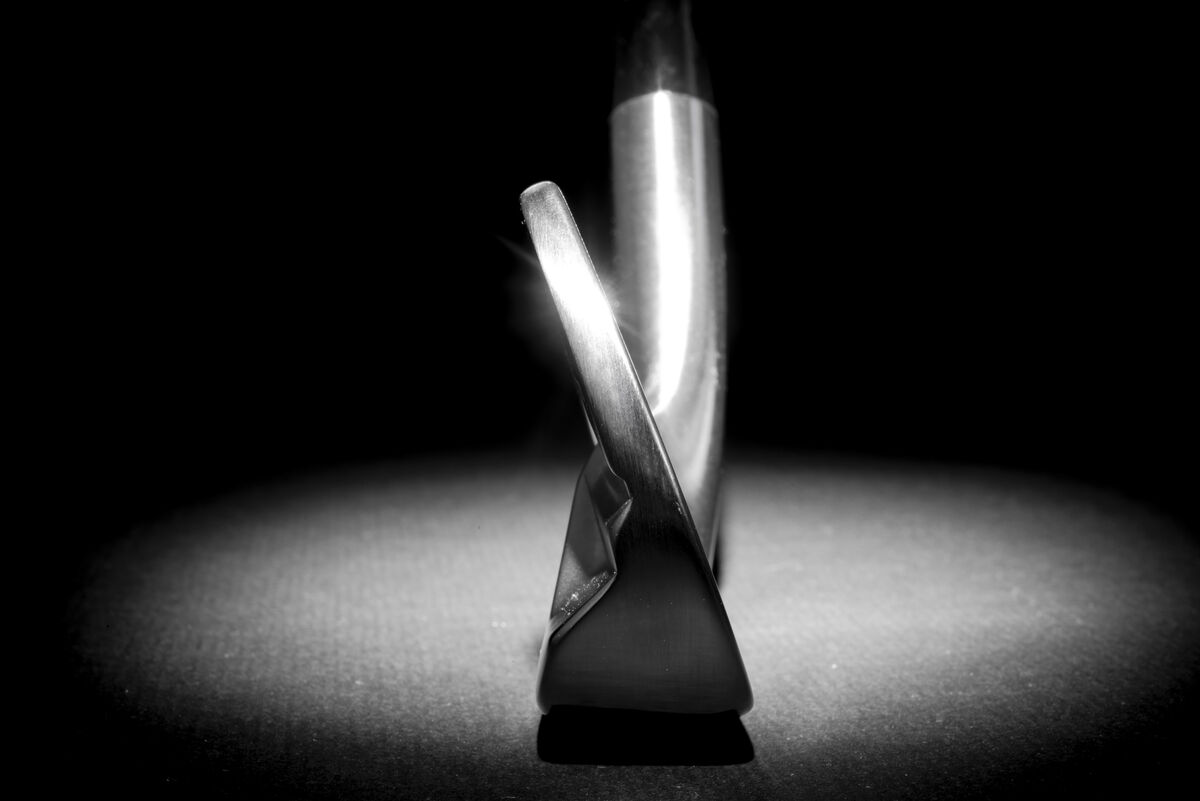
An offset golf club has a club head that sits behind the shaft of the club. Offset golf clubs are a great fit for players who struggle with a slice, but they introduce the risk of over-correcting, and developing a hard hook. Could offset clubs be a good fit for you? Let's look at the advantages and disadvantages.
Offset Golf Clubs
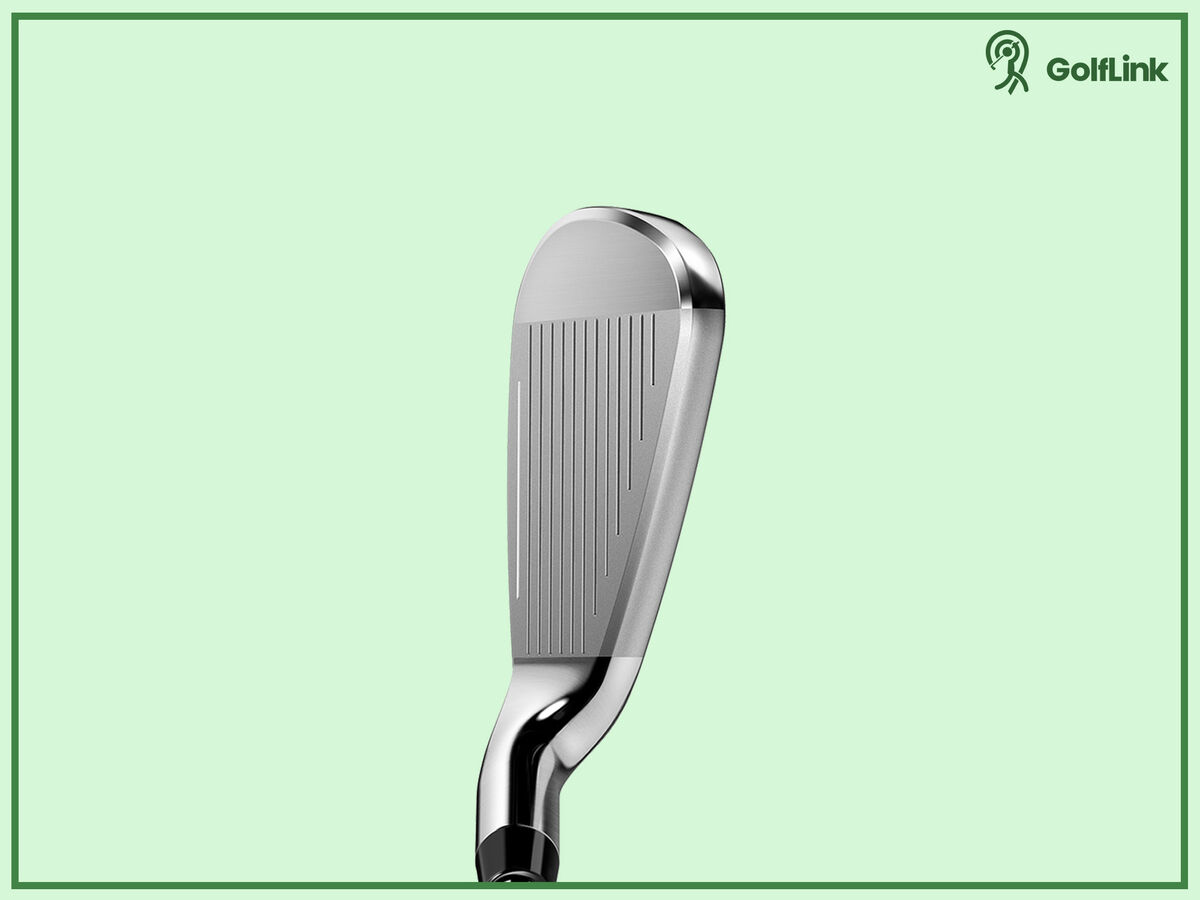
You can easily identify how much offset a golf club has by looking down at it from the address position. On a golf club with noticeable offset, the club head sits behind the hosel and shaft. Offset irons have, as pictured in the image above, about a half-shaft of offset, as the leading edge of the iron bisects the shaft.
Another way to identify offset golf clubs is by looking at what genre they fall under. There are several types of irons, and game improvement or super game improvement irons have a higher degree of offset.
For example, a super game improvement iron such as the Callaway Rogue ST Max OS has a larger offset than the standard Callaway Rogue ST irons. The "OS" in the name shows the irons have more offset.
Players distance irons, cavity back and muscle back irons have less offset. Blade irons tend to have zero to very little offset.
Offset in woods isn’t as popular as it once was. If you’re in search of an offset driver, you have a few options, including the Cobra AIR-X and the Tour Edge E521. Offset on a fairway wood or driver is much more noticeable than on irons due to the construction and size of the head on woods.
Across the board, offset golf clubs are intended for beginners or high-handicap players who need some help fighting a slice.
Benefits of Offset Clubs
When you swing an offset golf club, the club head arrives at impact a moment later than it would on a club without offset, because it's farther behind the shaft. That small delay gives the club head more time to continue rotating, and squaring up through impact. Those few degrees of rotation lead to straighter shots for golfers who tend to push or slice the ball, which is why offset clubs are typically targeted to beginning and higher-handicap golfers.
For those golfers, offset clubs have more benefits than disadvantages.
- The promote a straight or draw ball flight and fight against a slice
- They are typically higher in loft, so they’re easier to get in the air
- They are also more forgiving, so off-center hits aren't punished as badly
- Offset irons are usually cast, not forged, so they aren’t as expensive
Disadvantages of Offset Clubs
Of course, there are a few disadvantages to keep in mind when shopping for offset golf clubs. If you don't push or slice the ball, your could easily develop a hook with offset clubs because the face rotates too much before impact. Here are the disadvantages of offset clubs.
- Your draw can become a hard hook
- As you improve, your skills will likely no longer require the help offset clubs provide
- You will need to adjust your alignment accordingly when using offset clubs
- Many players don't like the look of an offset golf club at address
Comparing Offset to No Offset Clubs
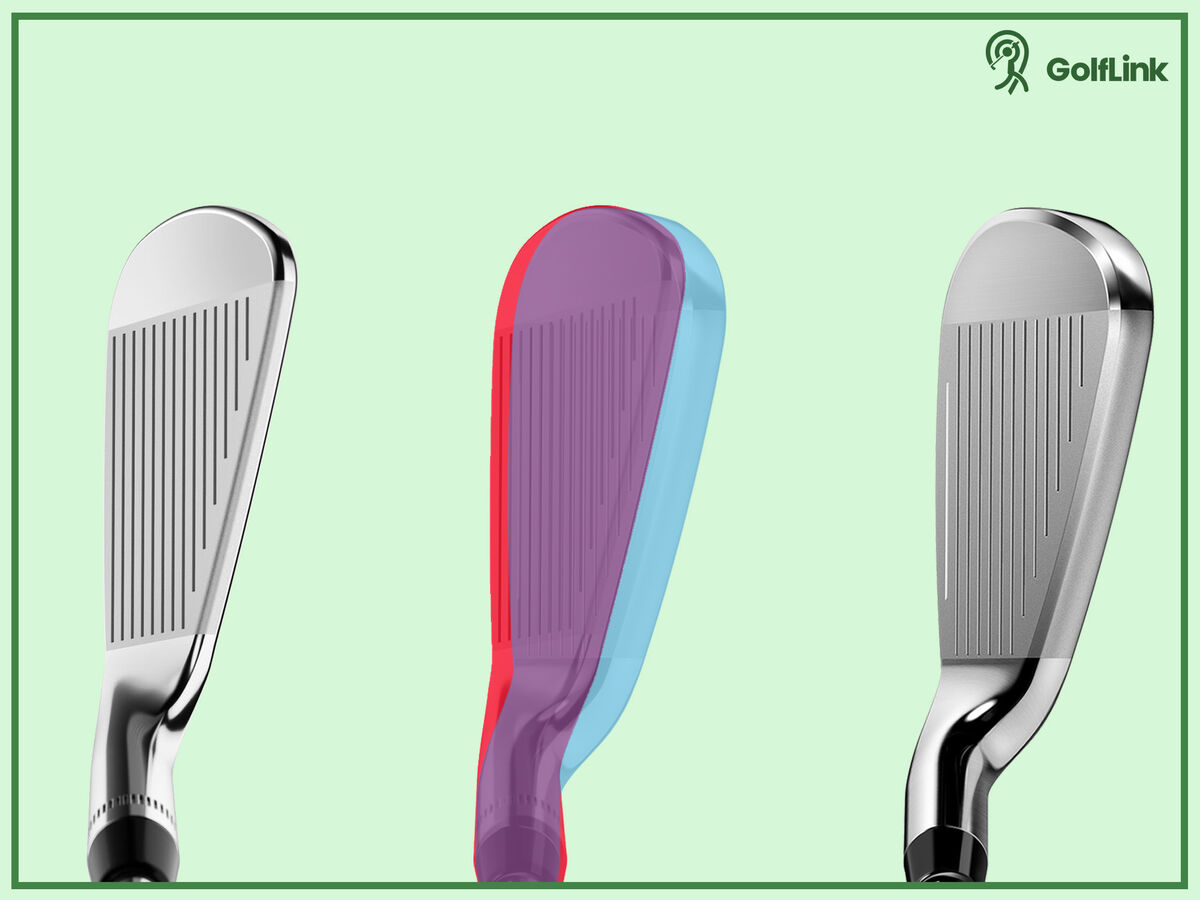
The image above is great illustration of the differences between offset golf clubs, and clubs with little to no offset. The iron on the right has about a half-shaft of offset. The blade iron on the left has virtually no offset, with the leading edge of the club almost in line with the shaft. When the two are overlayed on top of each other, you can see just how much of a difference offset makes.
| Feature | Offset Clubs | Clubs WIthout Offset |
| Forgiveness | High | Normal |
| Launch | High | Low to Mid |
| Price Average (irons) | $500 and up | $900 and up |
| Player Profile | Mid to high handicap (15 and up) | Mid to low handicap (15 and below) |
Whatever Goes Straight
Whether you should buy offset clubs or not should be up to you and the certified club fitter you work with. That’s our way of saying, always get fit by professional. Chances are if you’re a mid to high-handicap golfer, offset clubs (specifically irons) would benefit your game.