Titleist Golf Club History: Models Worth Remembering
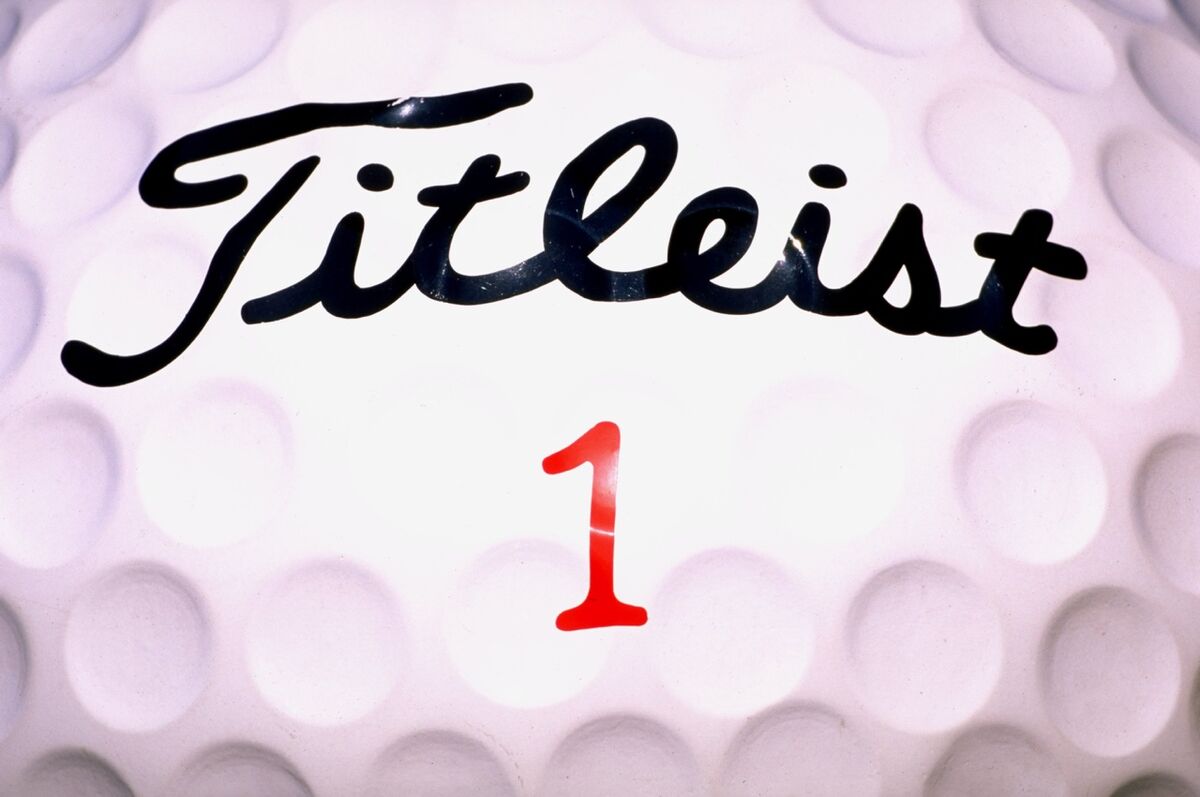
Titleist is a brand of golf equipment and clothes developed and marketed by the Acushnet Company. Acushnet, the Fairhaven, Mass. company, also manufactures Pinnacle golf balls, Foot-Joy golf gloves, clothes and shoes, Scotty Cameron putters, and Vokey wedges.
Phillip W. "Skipper" Young
Phillip W. "Skipper" Young, a graduate of Massachusetts Institute of Technology, founded the rubber company in 1910 with two friends. The company, called Peabody, Young & Weeks, was located in Acushnet, Mass., before moving to New Bedford, Mass. By the early 1920s, prices for rubber plummeted, forcing the company to shift its focus.
Golf Balls
According to company legend, Young was a frustrated golfer, who decided one day to x-ray golf balls to find out why they did not fly straight. He discovered that many balls were off-centered, and he decided to create a better golf ball, thus turning the company's focus to golf.
By the early 1930s, the company was making golf balls with a machine that spun rubber around a core, leading to the "dead center" Titleist golf ball. The company only sold its golf ball to pro shops, creating a high demand.
Dynamite Thread
During World War II, Titleist concentrated its efforts on making equipment for the troops. Following the war, golf experienced a boom that helped establish Titleist as a leading brand in the sport. In 1948, the company began selling a ball that contained the "dynamite thread" to boost yardage, and in 1949, Titleist was the most played ball during the U.S. Open.
Acushnet Golf Growth
In the 1960s and 70s the Acushnet Company continued to grow in the golf industry, acquiring other companies along the way. In 1962, the Acushnet Company started developing and marketing golf clubs when it purchased John Reuter Jr., Inc., the company that made the Bulls Eye putter. Acushnet followed that acquisition in 1969 when it purchased Golfcraft Inc., a maker of golf clubs and bags. In 1975 the company purchased Shelford Group of England, a golf cart business.
One year later, American Brands, Inc., a maker of consumer products such as Sunshine Biscuits and James Beam purchased Acushnet.
In 1985, Foot-Joy became the latest addition to the family of brands Acushnet produces for the golf industry and by 2002 Titleist experienced over $1 billion in revenues. In 2010, Fila purchased Acushnet Company increasing the global reach of Titleist.
2010-Present
The Acushnet Company went public in 2017 under the “GOLF” symbol as they own and operate three golf ball manufacturing plants that produce 1 million balls a day, including the ProV1 line, the No. 1 ball in golf. Golf Clubs and FootJoy Golf wear accounted for 28% of Acushnet’s sales in 2019 and Titleist gear alone represented about 10%.
Pro Staffers
Acushnet’s brands see numerous pro golfers using their products. Scotty Cameron’s models are some of the most-played putters on the PGA Tour and Vokey wedges have been used more than any other brand on the PGA Tour since 2004.
Some of the pros that use the ProV1 golf balls are the likes of Jordan Spieth, Justin Thomas, Patrick Cantlay and Adam Scott.
Titleist has 114 brand ambassadors on the PGA Tour, and four on the LPGA in Jessica and Nelly Korda, Danielle Kang and So Yeon Ryu.
Titleist Clubs by Year
From the Bulls Eye putter to the numerous irons, hybrids, drivers, putters and fairways alike, Titleist produces some of the top clubs in all of golf. Release details of some of the most memorable Titleist clubs and company milestones are below.
| Year | Release |
| 1962 | The Acushnet Company purchased John Reuter Jr., Inc. who produced the Bulls Eye putter. |
| 1970 | Finalist Forged Irons released and stayed on market until 1976. The Bulls Eye Putters launched. |
| 1984 | The Original 1984 Metal Woods debut along with the 1984 Tour Model Irons and the Titleist 1984 Tour Model 841 irons. |
| 1991 | Titleist debuts the High Performance Wedges along with the Titleist Tour Model Irons. |
| 1994 | The first driver hits the market for Titleist in the DTR Midsize Metals. |
| 1999 | The first set of Vokey Wedges launched along with DCI 990 Irons. |
| 2007 | Spin Milled Wedges, AP1 Irons are released. |
| 2018 | Eight new models of Scotty Cameron Special Select Putters launch in the Newport, Newport 2, Newport 2.5, Squareback 2, Fastback 1.5, Del Mar, Flowback 5 and Flowback 5.5. |
Image: Paul Severn/Getty Images Sport via Getty Images